Threskiornithidae
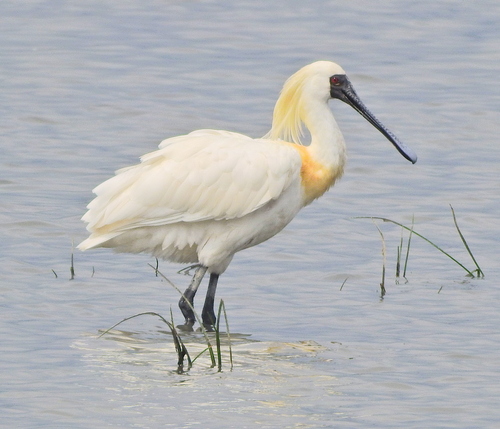
Black-faced Spoonbill
Platalea minor Temminck & Schlegel, 1849
Platalea minor, the black-faced spoonbill, is an endangered migratory wading bird restricted to coastal eastern Asia with a steadily growing population.
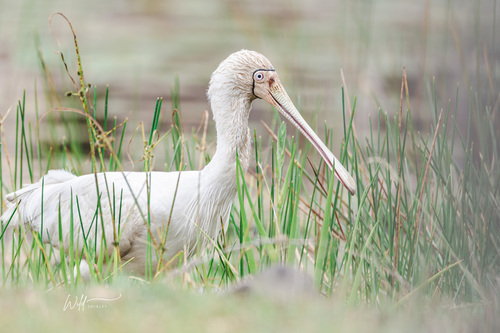
Yellow-billed Spoonbill
Platalea flavipes Gould, 1838
Platalea flavipes, the yellow-billed spoonbill, is a white waterbird native to Australia described with its habitat and traits.
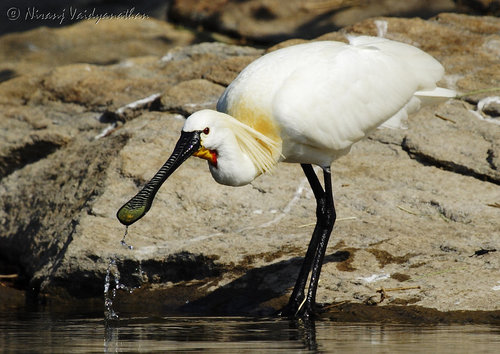
Eurasian Spoonbill
Platalea leucorodia Linnaeus, 1758
Platalea leucorodia (Eurasian spoonbill) is a distinctive white waterbird widely distributed across Europe, Asia and Africa.
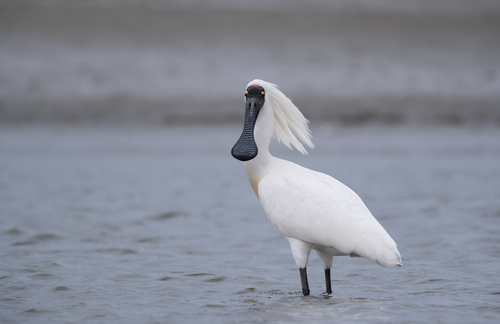
Royal Spoonbill
Platalea regia Gould, 1838
Platalea regia, the royal spoonbill, is a large white wading bird with a black spoon-shaped bill that feeds on aquatic prey.
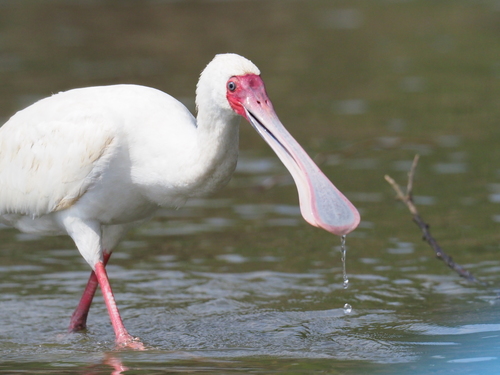
African Spoonbill
Platalea alba Scopoli, 1786
The African spoonbill (Platalea alba) is a widespread long-legged wading bird found across Africa and Madagascar.
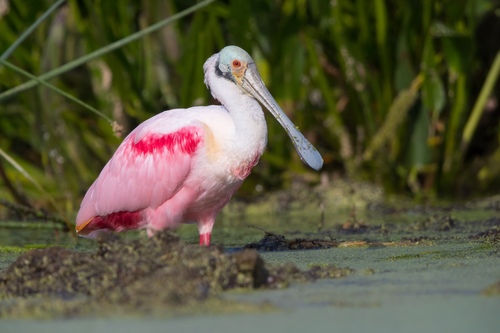
Roseate Spoonbill
Platalea ajaja Linnaeus, 1758
Platalea ajaja, the roseate spoonbill, is a pink wading bird with a characteristic spatulate bill whose North American range has expanded recently.
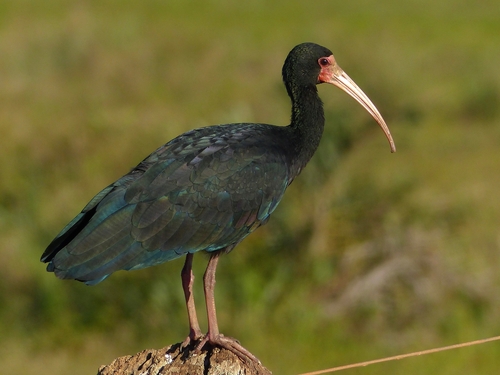
Bare-faced Ibis
Phimosus infuscatus (Lichtenstein, 1823)
Phimosus infuscatus, the bare-faced ibis, is a small neotropical ibis found in open lowland wet habitats across northern and eastern South America.
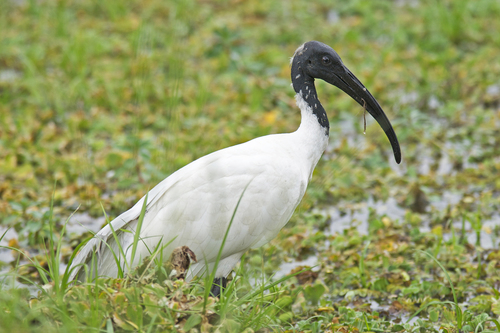
Black-headed Ibis
Threskiornis melanocephalus (Latham, 1790)
The black-headed ibis is a large Asian waterbird with distinct plumage, adaptable habitats, and silent except for nest grunts.
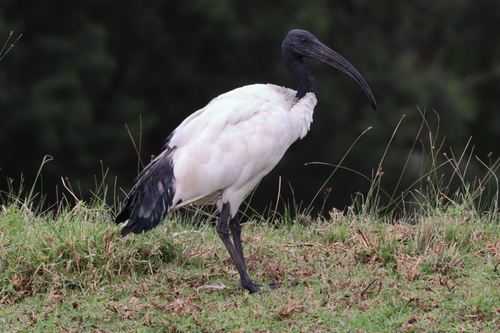
African Sacred Ibis
Threskiornis aethiopicus (Latham, 1790)
Threskiornis aethiopicus, the African sacred ibis, is a large wading bird with distinct physical traits, habitat preferences, and breeding patterns.
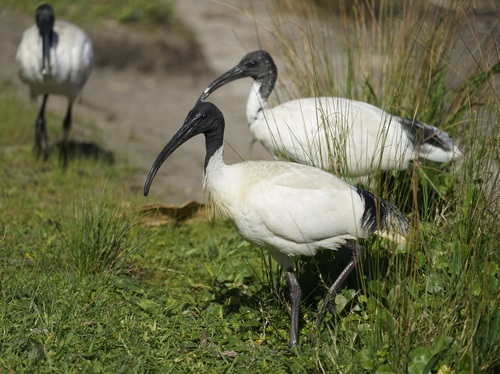
Australian Ibis
Threskiornis molucca (Cuvier, 1829)
The Australian white ibis (Threskiornis molucca) is a large wading bird widespread across much of Australia, especially in urban areas.
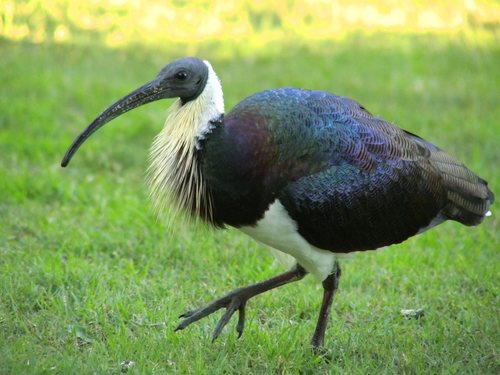
Straw-necked Ibis
Threskiornis spinicollis (Jameson, 1835)
This entry describes the physical traits, distribution, breeding and feeding habits of the straw-necked ibis.
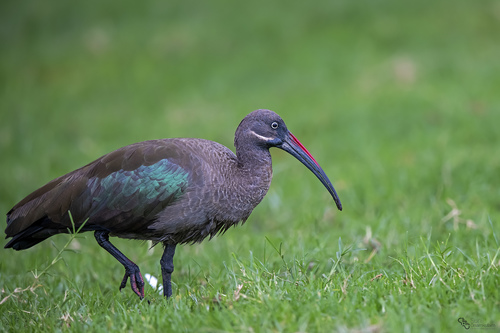
Hadada Ibis
Bostrychia hagedash (Latham, 1790)
Bostrychia hagedash, the hadada ibis, is a large Sub-Saharan African ibis with a distinctive loud call that adapts well to urban areas.
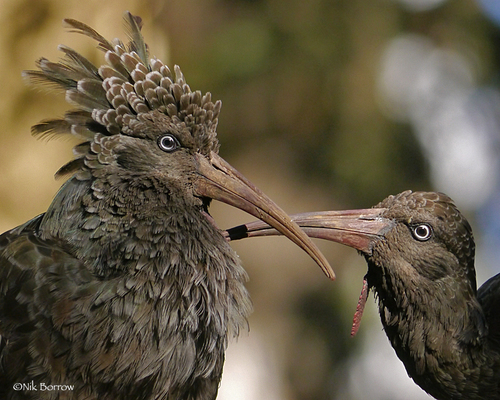
Wattled Ibis
Bostrychia carunculata (Ruppell, 1837)
Bostrychia carunculata, the wattled ibis, is a dark brown crested bird native to the highlands of Ethiopia and the Eritrean coast.
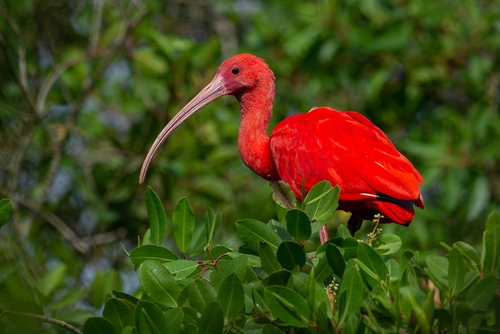
Scarlet Ibis
Eudocimus ruber (Linnaeus, 1758)
Eudocimus ruber, the scarlet ibis, is a distinctive red wading bird native to South America and the Caribbean.
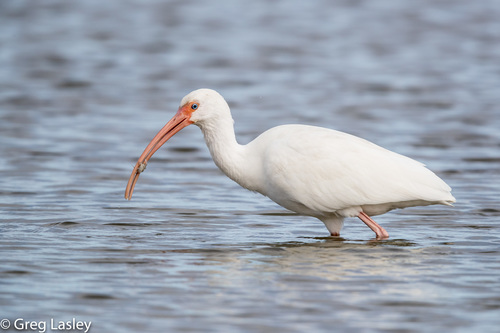
White Ibis
Eudocimus albus (Linnaeus, 1758)
Eudocimus albus, the American white ibis, is a moderately large wading bird with distinctive adult plumage found across the Americas.
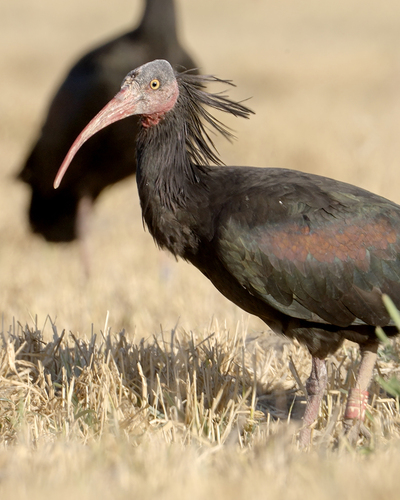
Northern Bald Ibis
Geronticus eremita (Linnaeus, 1758)
Geronticus eremita, the northern bald ibis, is a large black bird with a mostly restricted current wild range in Morocco.
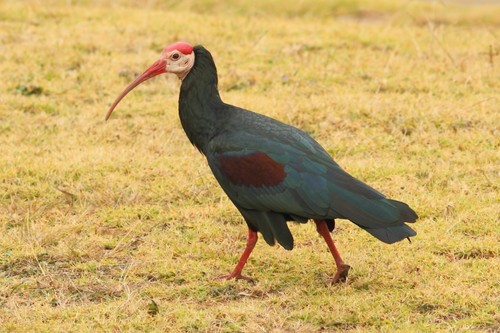
Southern Bald Ibis
Geronticus calvus (Boddaert, 1783)
This is a description of the southern bald ibis, an uncommon restricted-range bird endemic to southern African highlands.
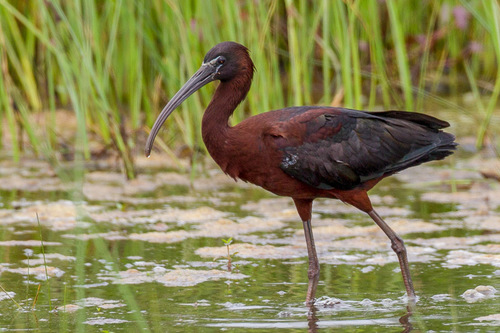
Glossy Ibis
Plegadis falcinellus (Linnaeus, 1766)
Plegadis falcinellus, the glossy ibis, is the world's most widespread mid-sized ibis with a broad global distribution.
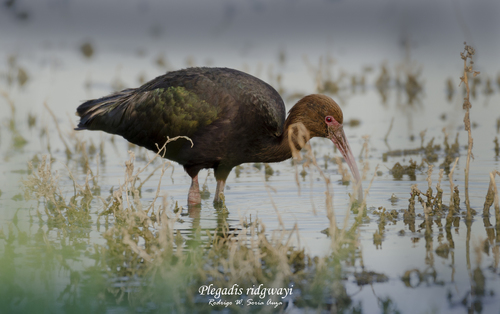
Puna Ibis
Plegadis ridgwayi (Allen, 1876)
Puna ibis (Plegadis ridgwayi) is a medium-sized Andean waterbird listed as Least Concern with an uncertain total population size.
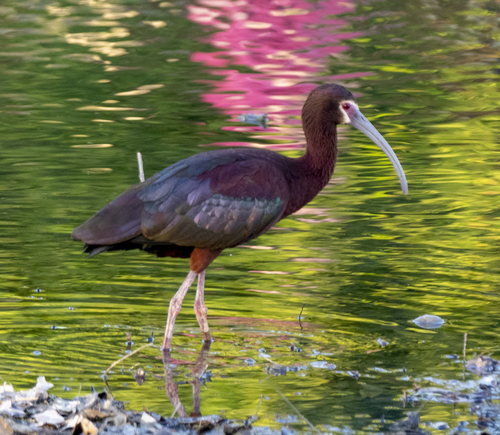
White-faced Ibis
Plegadis chihi (Vieillot, 1817)
Plegadis chihi, the white-faced ibis, is a wading bird found across the Americas with an increasing, Least Concern population.

Red-naped Ibis
Pseudibis papillosa (Temminck, 1824)
The red-naped ibis is a large bird native to the Indian subcontinent that is omnivorous, adaptable to human landscapes, and mostly diurnal.
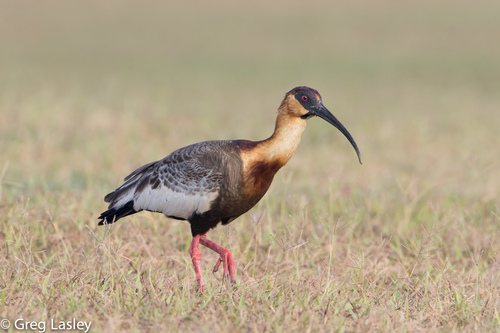
Buff-necked Ibis
Theristicus caudatus (Boddaert, 1783)
Theristicus caudatus, the buff-necked ibis, is a South American ibis listed as Least Concern on the IUCN Red List.
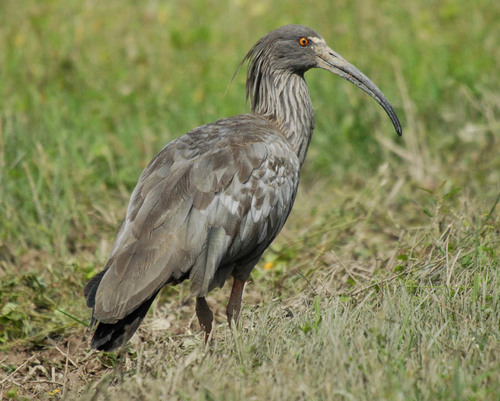
Plumbeous Ibis
Theristicus caerulescens (Vieillot, 1817)
The plumbeous ibis is a large distinctive ibis species endemic to parts of central South America.
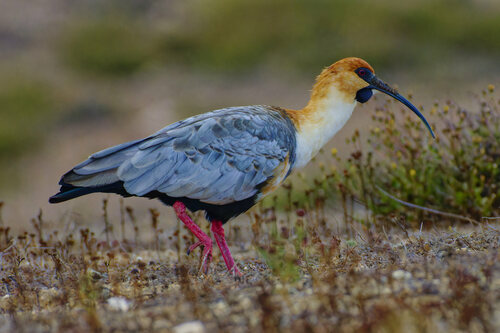
Black-faced Ibis
Theristicus melanopis (Gmelin, 1789)
Theristicus melanopis, the black-faced ibis, is a South American ibis classified as Least Concern by the IUCN.
Related Families
Start Exploring Nature Today
Download iNature for free. 10 identifications on us. No account needed. No credit card required.
Scan with iPhone camera
Scan with Android camera


