About Phimosus infuscatus (Lichtenstein, 1823)
Scientific Classification and Plumage
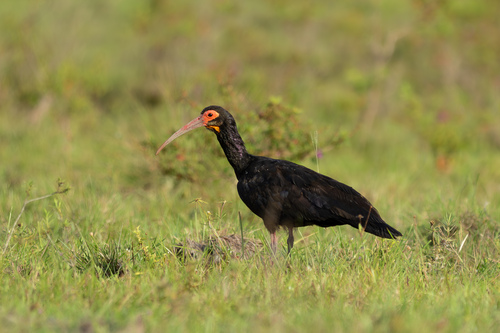
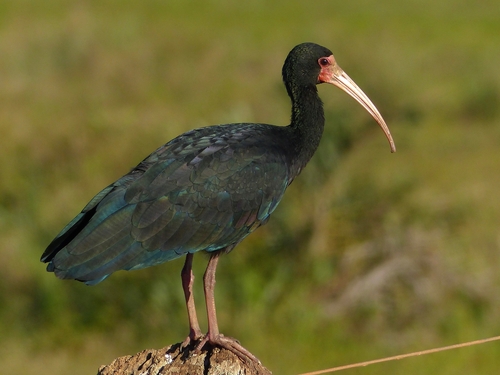
The bare-faced ibis, scientifically named Phimosus infuscatus (Lichtenstein, 1823), has plumage that is either dark brown or blackish.
Common Name Origin
It gets its common name from the complete lack of feathers on its face.
Facial and Limb Characteristics
It has a long decurved bill that ranges in color from pinkish to reddish brown, reddish facial skin, and pink legs.
Body Length
The total body length of this ibis falls between 45 and 50 cm.
Geographic Distribution
This species is distributed across Argentina, Bolivia, Brazil, Colombia, Ecuador, Guyana, Paraguay, Suriname, Uruguay, and Venezuela.
Habitat and Elevation Range
It inhabits open areas including wet meadows, savannas, marshes, and rice fields, and usually occurs near sea level, with records also from elevations in Venezuela and Colombia.
Breeding Colony and Season
Bare-faced ibises typically breed in small colonies consisting only of their own species, with a breeding season that runs from August to December.
Nest Structure
They build platform-shaped nests in trees or shrubs.
Egg Laying and Incubation
Females lay between 1 and 8 lightly colored green to blue eggs; incubation lasts 21 to 23 days and is performed by both the male and female.
Foraging Habitats
The bare-faced ibis forages in most types of soil and along the edges of standing water.
Diet Composition
Its diet is made up of insects, worms, clams, and other small invertebrates.