How to Identify Threskiornithidae

Threskiornithidae is a animal family in the Animalia kingdom, order Pelecaniformes, class Aves. The family contains 29 accepted species worldwide.

Key Identification Features

For instant identification in the field, use the iNature app — AI-powered, works offline.
Representative Threskiornithidae Species

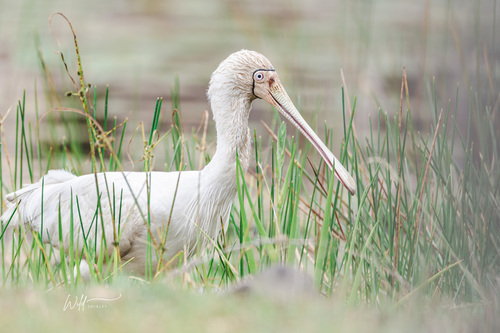
How to identify Platalea flavipes Gould, 1838

Platalea flavipes Gould, 1838

Platalea flavipes Gould, 1838

Platalea flavipes, the yellow-billed spoonbill, is a white waterbird native to A…

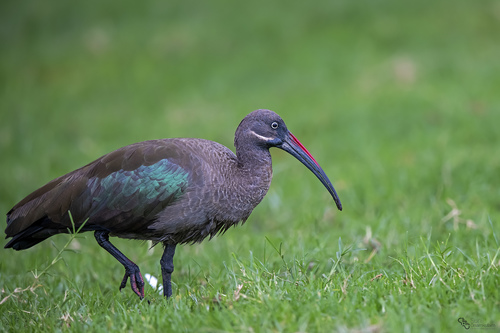
How to identify Bostrychia hagedash (Latham, 1790)

Bostrychia hagedash (Latham, 1790)

Bostrychia hagedash (Latham, 1790)

Bostrychia hagedash, the hadada ibis, is a large Sub-Saharan African ibis with a…

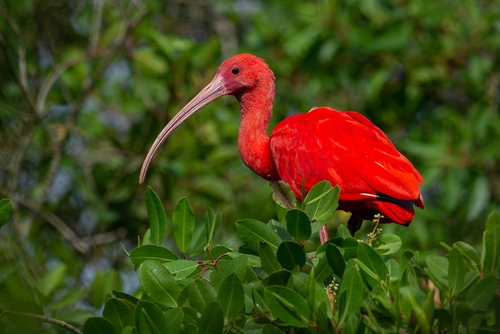
How to identify Eudocimus ruber (Linnaeus, 1758)

Eudocimus ruber (Linnaeus, 1758)

Eudocimus ruber (Linnaeus, 1758)

Eudocimus ruber, the scarlet ibis, is a distinctive red wading bird native to So…

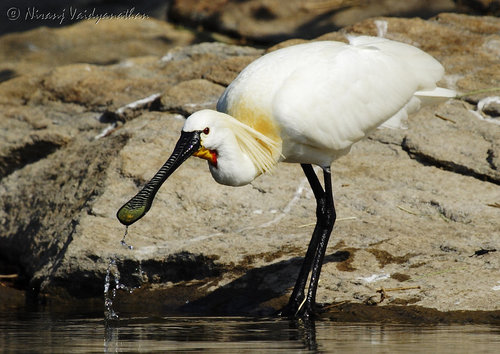
How to identify Platalea leucorodia Linnaeus, 1758

Platalea leucorodia Linnaeus, 1758

Platalea leucorodia Linnaeus, 1758

Platalea leucorodia (Eurasian spoonbill) is a distinctive white waterbird widely…

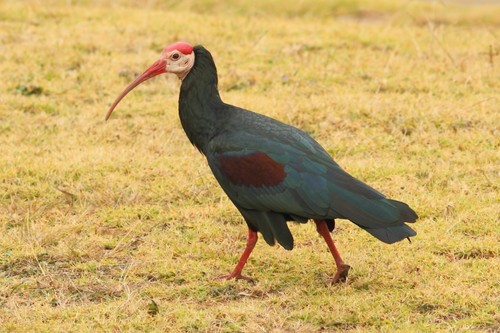
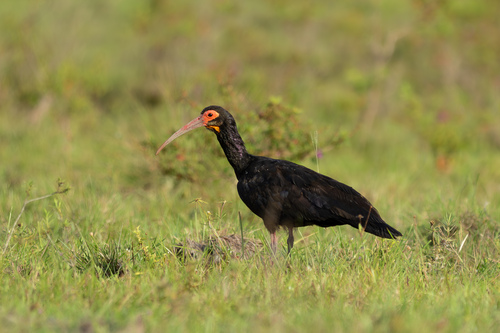
How to identify Geronticus calvus (Boddaert, 1783)

Geronticus calvus (Boddaert, 1783)

Geronticus calvus (Boddaert, 1783)

This is a description of the southern bald ibis, an uncommon restricted-range bi…

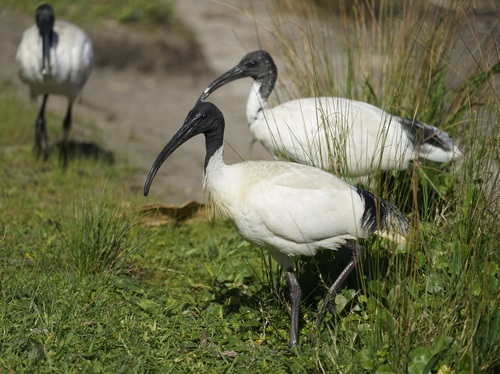
How to identify Threskiornis molucca (Cuvier, 1829)

Threskiornis molucca (Cuvier, 1829)

Threskiornis molucca (Cuvier, 1829)

The Australian white ibis (Threskiornis molucca) is a large wading bird widespre…

How to identify Cercibis oxycerca (Spix, 1825)

Cercibis oxycerca (Spix, 1825)

Cercibis oxycerca (Spix, 1825)

The sharp-tailed ibis (Cercibis oxycerca) is a large long-tailed ibis native to …

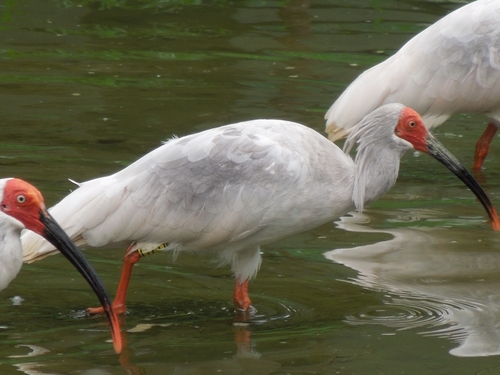
How to identify Nipponia nippon (Temminck, 1835)

Nipponia nippon (Temminck, 1835)

Nipponia nippon (Temminck, 1835)

Nipponia nippon, the crested ibis, is a seasonally plumaged ibis now restricted …

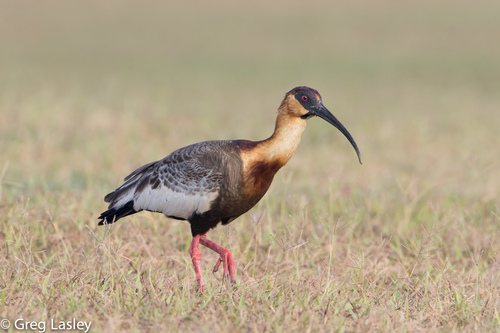
How to identify Theristicus caudatus (Boddaert, 1783)

Theristicus caudatus (Boddaert, 1783)

Theristicus caudatus (Boddaert, 1783)

Theristicus caudatus, the buff-necked ibis, is a South American ibis listed as L…

How to identify Threskiornis spinicollis (Jameson, 1835)

Threskiornis spinicollis (Jameson, 1835)

Threskiornis spinicollis (Jameson, 1835)

This entry describes the physical traits, distribution, breeding and feeding hab…

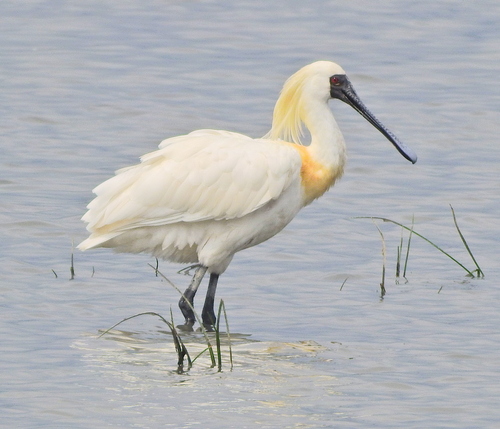
How to identify Platalea minor Temminck & Schlegel, 1849

Platalea minor Temminck & Schlegel, 1849

Platalea minor Temminck & Schlegel, 1849

Platalea minor, the black-faced spoonbill, is an endangered migratory wading bir…

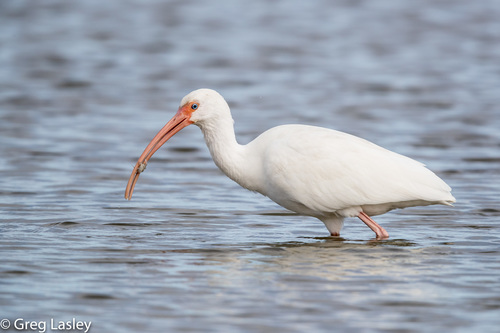
How to identify Eudocimus albus (Linnaeus, 1758)

Eudocimus albus (Linnaeus, 1758)

Eudocimus albus (Linnaeus, 1758)

Eudocimus albus, the American white ibis, is a moderately large wading bird with…

Browse all 29 Threskiornithidae species →

Frequently Asked Questions

How do you identify Threskiornithidae?

Threskiornithidae animals belong to the Pelecaniformes order in the Animalia kingdom. The hadada ibis has an extremely loud, distinctive call that sounds like "haa-haa-haa-de-dah", which is the origin of its onomatopoetic common name. For instant identification, use the iNature app — AI-powered and works offline.

What are the key characteristics of Threskiornithidae?

Threskiornithidae is classified in the order Pelecaniformes, class Aves, phylum Chordata. The bird’s bare whitish head skin is the key identifying feature of this species.

Sources: GBIF, iNaturalist, Wikipedia · Disclaimer

Start Exploring Nature Today

Download iNature for free. 10 identifications on us. No account needed. No credit card required.

App Store
Scan to download from App Store

Scan with iPhone camera

Google Play
Scan to download from Google Play

Scan with Android camera