Animals — 36,937 Species
Top Families in Animals
All Animals Species
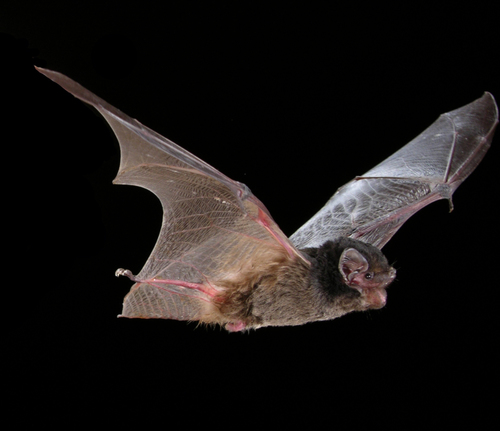
Gould's Wattled Bat
Chalinolobus gouldii (Gray, 1841)
Chalinolobus gouldii is the largest Chalinolobus bat found across Australia and nearby Pacific islands, often producing twin offspring.
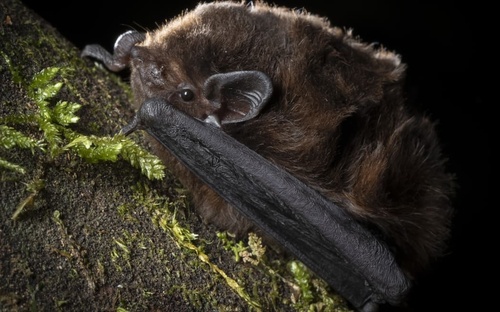
New Zealand Long-tailed Bat
Chalinolobus tuberculatus (Forster, 1844)
Chalinolobus tuberculatus, the New Zealand long-tailed bat, is a nationally critical endemic small mammal of New Zealand.
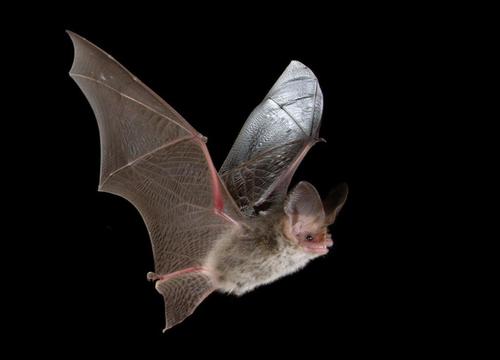
Lesser Long-eared Bat
Nyctophilus geoffroyi Leach, 1821
Nyctophilus geoffroyi, the lesser long-eared bat, is a widespread endemic Australian bat with distinct physical and reproductive traits.
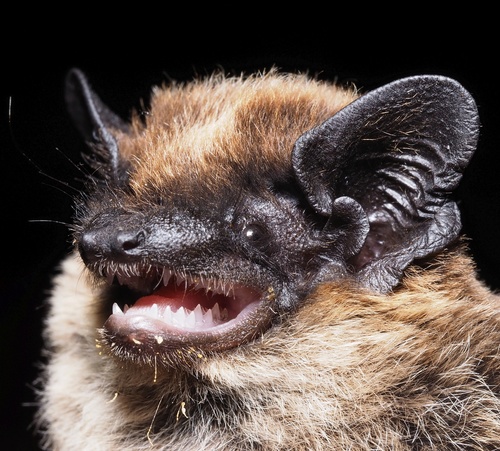
Savi's Pipistrelle
Hypsugo savii (Bonaparte, 1837)
Savi's pipistrelle (Hypsugo savii) is a small bat with defined physical features and a known Eurasian and North African distribution.
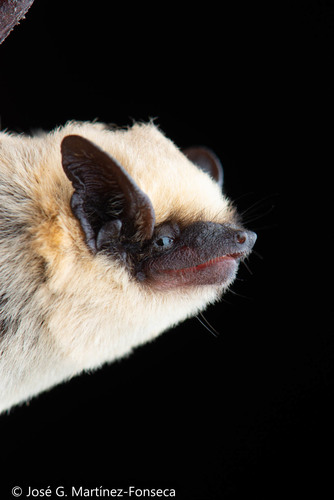
Canyon Bat
Parastrellus hesperus (H.Allen, 1864)
Parastrellus hesperus is the smallest bat in the US, found in western US and Mexican deserts and lowlands, a solitary insectivorous species.
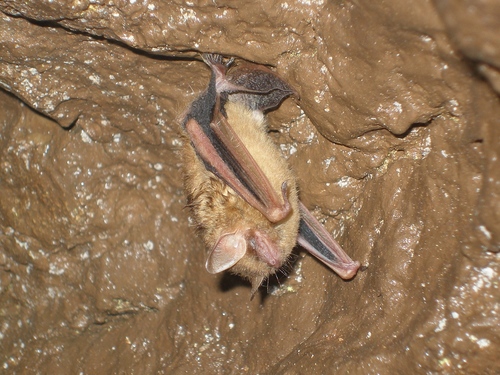
Tricolored Bat
Perimyotis subflavus (F.Cuvier, 1832)
Perimyotis subflavus, the tricolored bat, is North America's smallest eastern bat with distinct tricolored fur.
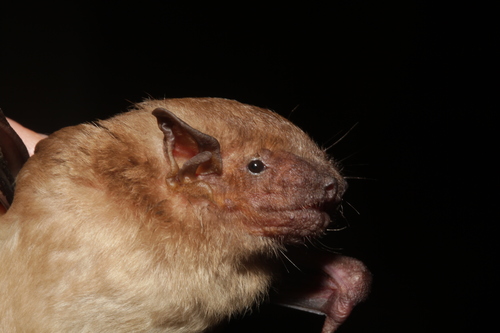
Lesser Asian Yellow Bat
Scotophilus kuhlii Leach, 1821
Scotophilus kuhlii, the lesser Asiatic yellow bat, is a vesper bat found across multiple South and Southeast Asian regions.
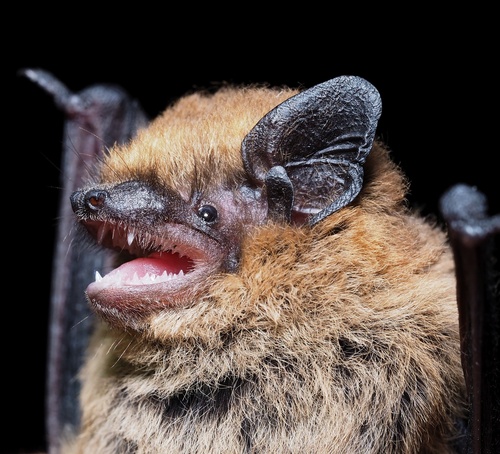
Common Pipistrelle
Pipistrellus pipistrellus (Schreber, 1774)
The common pipistrelle is a small Palearctic bat with distinct morphological features and a lek-like mating system.
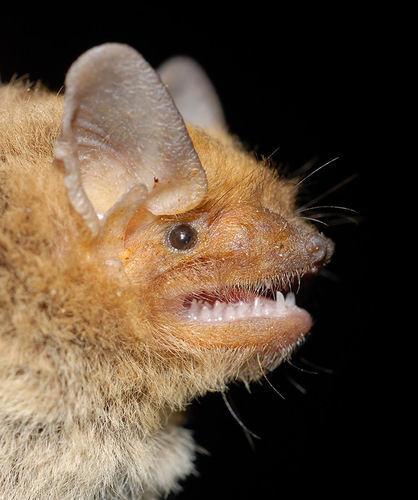
Kuhl's pipistrelle
Pipistrellus kuhlii (Kuhl, 1817)
Kuhl's pipistrelle is a small, generalist insectivorous bat with a large increasing range classified as Least Concern by IUCN.
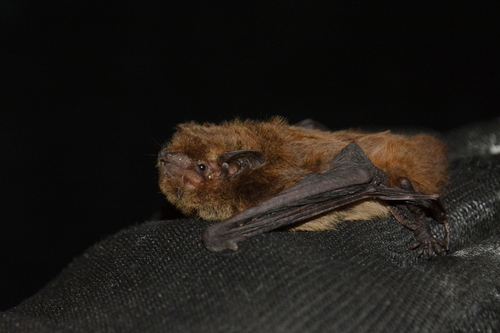
Nathusius' Pipistrelle
Pipistrellus nathusii (Keyserling & Blasius, 1839)
Nathusius' pipistrelle is a migratory vesper bat native to Europe, the Caucasus, and Turkey.
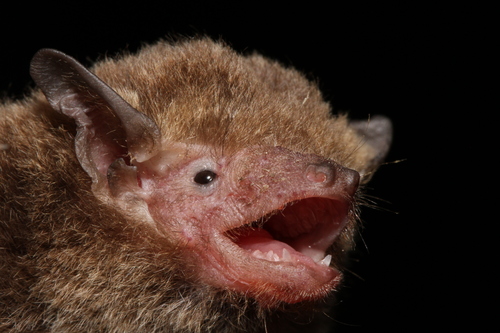
Japanese Pipistrelle
Pipistrellus abramus (Temminck, 1838)
Pipistrellus abramus, the Japanese house bat, is an East Asian vesper bat species that roosts in old buildings.
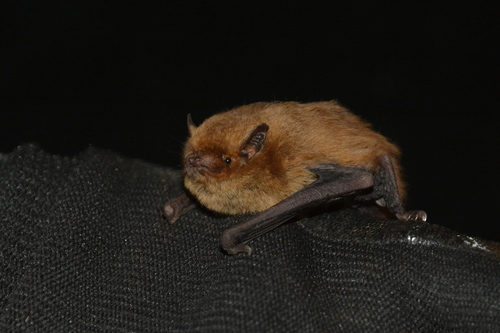
Soprano Pipistrelle
Pipistrellus pygmaeus (Leach, 1825)
Pipistrellus pygmaeus, the soprano pipistrelle, is a small European bat that often roosts in buildings and forages preferentially in riparian woodland.
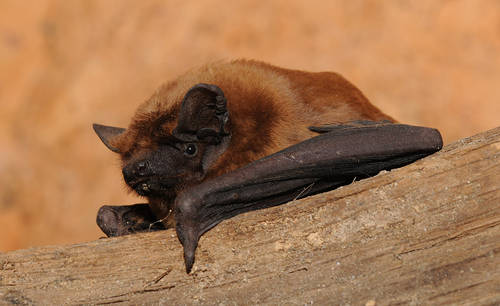
Common Noctule
Nyctalus noctula (Schreber, 1774)
Nyctalus noctula, the common noctule, is a female-migratory bat species widespread across Europe and eastern Asia.
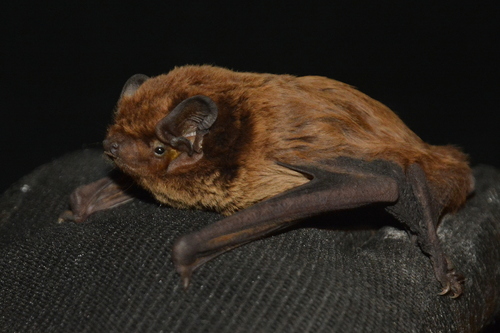
Lesser Noctule
Nyctalus leisleri (Kuhl, 1817)
The lesser noctule (Nyctalus leisleri) is a medium-sized bat with Ireland as its global stronghold.
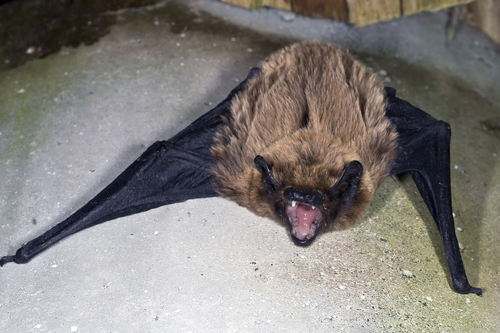
Azores Noctule
Nyctalus azoreum (Thomas, 1901)
The Azores noctule is the only mammal endemic to the Azores, a distinct bat species with frequent diurnal flight.
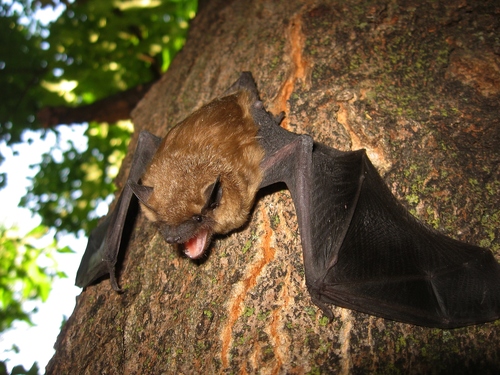
Big Brown Bat
Eptesicus fuscus (Palisot de Beauvois, 1796)
Eptesicus fuscus, the big brown bat, is a widespread North American microbat with well-documented physical, ecological, and life history traits.
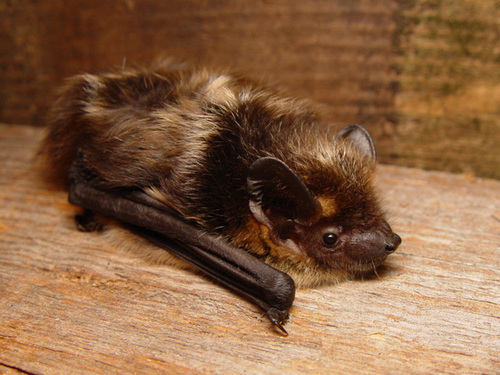
Northern Serotine
Eptesicus nilssonii (Keyserling & Blasius, 1839)
Eptesicus nilssonii, the northern bat, is a widespread Eurasian bat with distinct golden-tipped fur and specific seasonal behaviors.
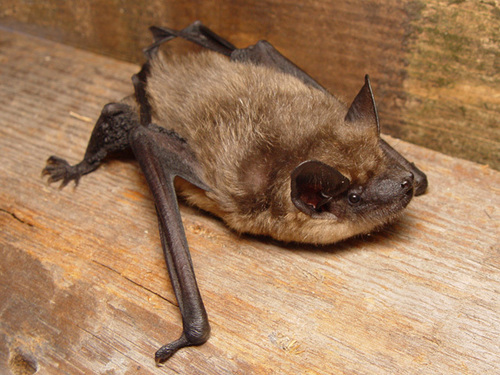
Eurasian Serotine
Eptesicus serotinus (Schreber, 1774)
Eptesicus serotinus, the serotine bat, is a Palaearctic bat noted for non-penetrative mammalian reproduction.
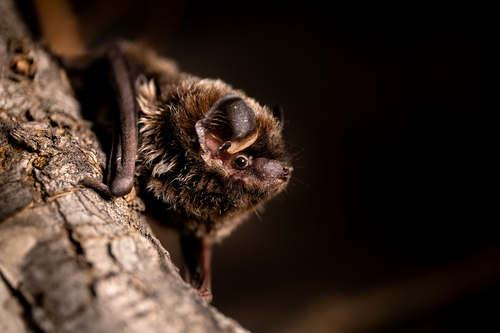
Silver-haired Bat
Lasionycteris noctivagans (Le Conte, 1831)
Lasionycteris noctivagans is a medium-sized frosted black bat found across North America and Bermuda, living mainly in forests.
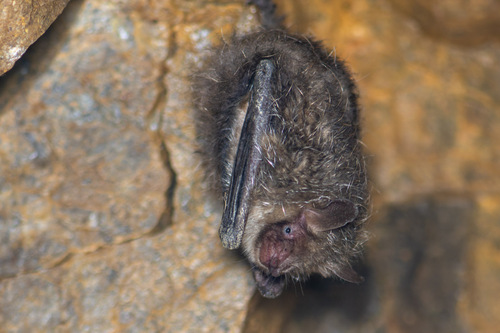
Greater Tube-nosed Bat
Murina hilgendorfi (Peters, 1880)
Murina hilgendorfi, Hilgendorf's tube-nosed bat, is an insectivorous bat found across East and Northeast Asia.
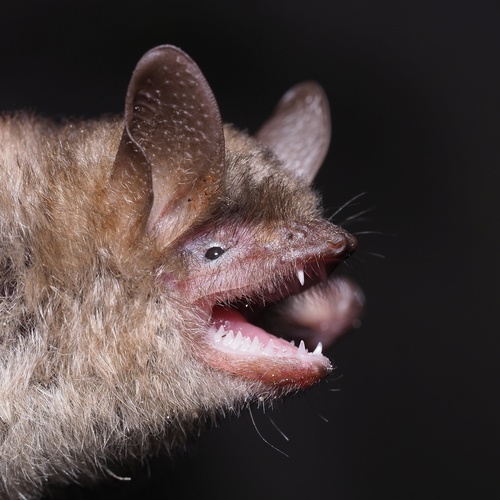
Geoffroy's Bat
Myotis emarginatus (E.Geoffroy, 1806)
Myotis emarginatus (Geoffroy's bat) is a medium-sized Palearctic bat that feeds mainly on spiders and nocturnally non-flying flies.
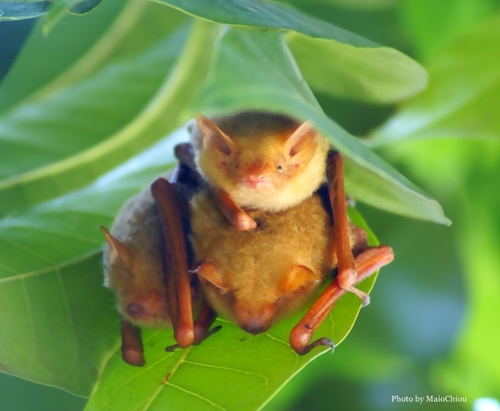
Hodgson's Bat
Myotis formosus (Hodgson, 1835)
Myotis formosus, Hodgson's bat, is a yellow-furred bat found across South and East Asia that roosts in caves, trees, and sometimes buildings.
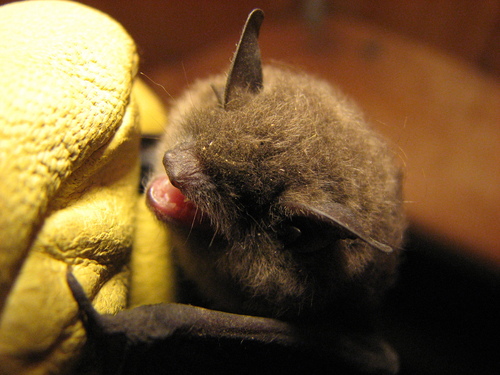
Chilean myotis
Myotis chiloensis (Waterhouse, 1840)
Myotis chiloensis, the Chilean myotis, is a small variable-colored bat that ranges further south globally than any bat except one related species.
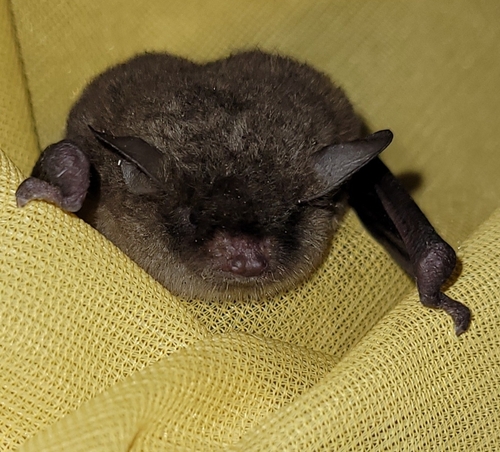
Southeastern Myotis
Myotis austroriparius (Rhoads, 1897)
Myotis austroriparius, the southeastern myotis, is a small insect-eating bat found across the southeastern United States.
Start Exploring Nature Today
Download iNature for free. 10 identifications on us. No account needed. No credit card required.
Scan with iPhone camera
Scan with Android camera


