About Pipistrellus kuhlii (Kuhl, 1817)
Fur and Wing Coloration
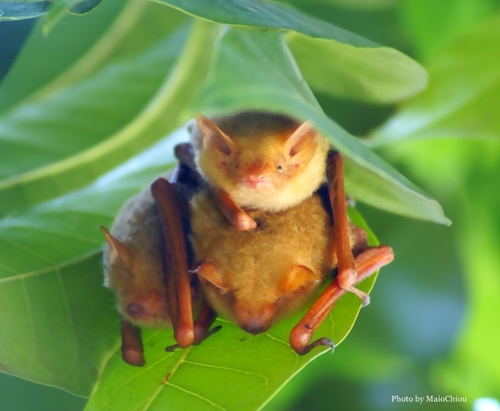
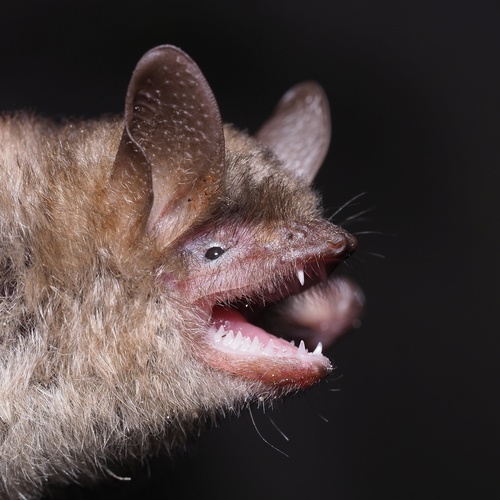
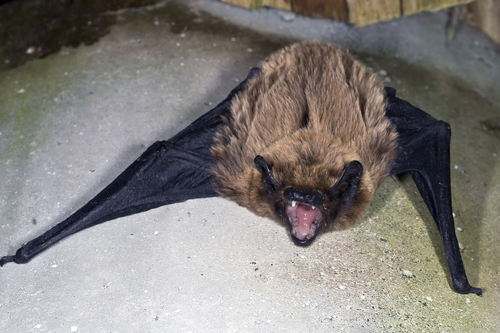
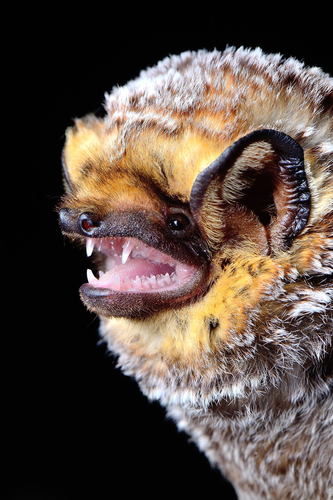
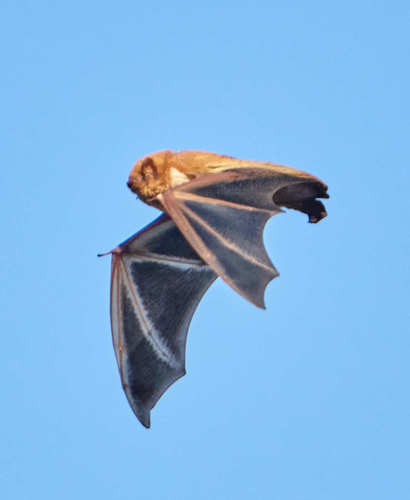
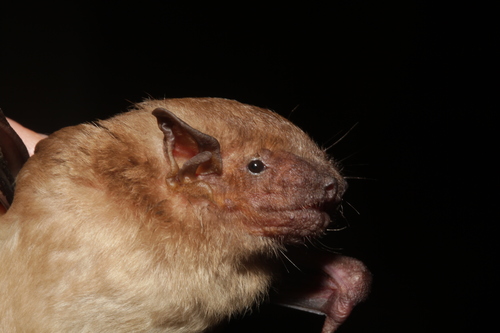
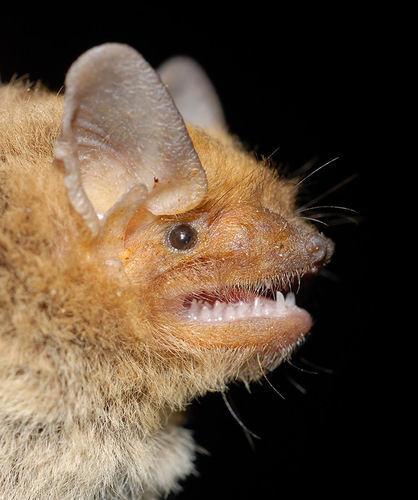
Kuhl's pipistrelle (scientific name: Pipistrellus kuhlii (Kuhl, 1817)) has dark brown to yellowish fur, and black or dark brown wings. Some individuals have a white stripe running along the edges of their wings.
Body and Tail Length
This species measures 40–55 mm (1.6–2.2 in) in body length, with a 30–45 mm (1.2–1.8 in) long tail, a wingspan of 210–230 mm (8.3–9.1 in), and an average body weight of 5–10 g (0.18–0.35 oz).
Sexual Dimorphism
It shows slight sexual dimorphism, where males grow larger than females.
Habitat Range
Kuhl's pipistrelle occupies a wide range of habitats, and is commonly found in urban areas. It occurs from sea level up to 2,000 m (6,600 ft) in elevation.
Conservation Status
Because it is common across a large and expanding range, it is classified as Least Concern on the IUCN Red List.
Diet
Kuhl's pipistrelle is a generalist insectivore; its diet varies widely between individuals and locations, and it may occasionally eat small amounts of fruit.
Prey Capture Method
It catches flying prey by scooping prey into its wings or tail membrane while in flight.
Hunting Behavior
It usually hunts in close proximity to other Kuhl's pipistrelles.
Mating Behavior
To attract females, males produce mating calls that differ from their regular echolocation calls, and often call in large groups.