About Hypsugo savii (Bonaparte, 1837)
Species Identification
Savi's pipistrelle (Hypsugo savii) is a small bat species.
Size Measurements
Its head and body length ranges from 1.75 to 2 inches (44 to 51 mm), its forearm (measured from elbow to wrist) ranges from 1.25 to 1.5 inches (32 to 38 mm), and it weighs between 0.26 and 0.35 ounces (7.4 to 9.9 g).
Ear Structure
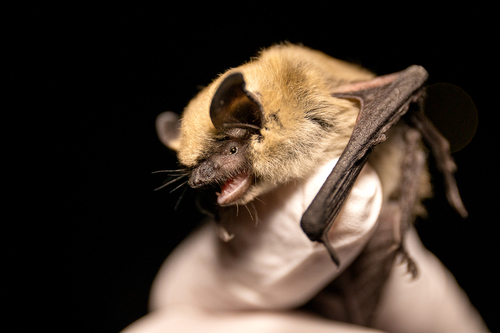
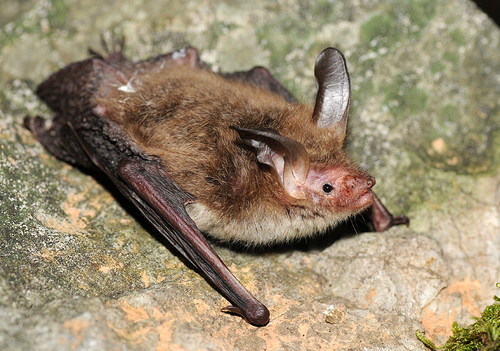
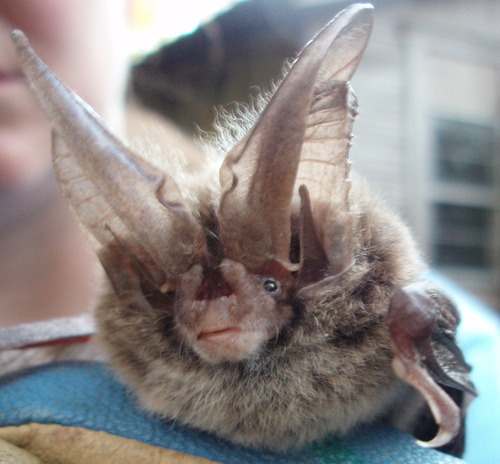
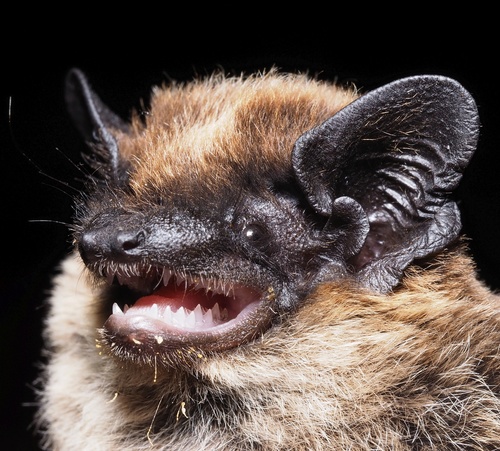
This species has broad, rounded ears. Each ear has a short tragus that is widest at the middle, and narrows toward a rounded tip.
Soft Tissue Coloration
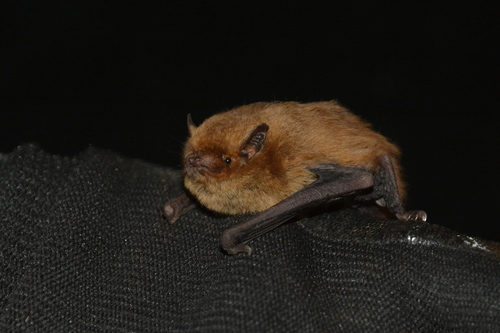
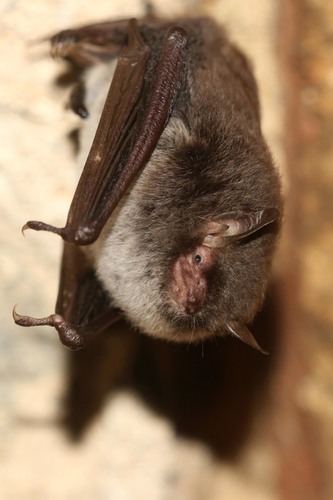
Its face, ears, and wing membranes are black.
Fur Characteristics
It has short fur: the fur on the upper side of the head and body is dark brown, while the fur on the underside is pale. The chin, throat, and chest show a sharp contrast with the animal's back.
Tail Morphology
Its tail is rounded, and it is rather longer than the tails of other closely related species.
Geographic Range
Savi's pipistrelle is native to the Mediterranean region of southern Europe, northwestern Africa, the Middle East, central Asia, Mongolia, and northern Japan. It also lives in the Canary Islands, Switzerland, and Austria, and has been recorded in Slovakia.
Altitudinal Range
It occurs mostly in mountainous regions, and can be found at altitudes up to 2,500 metres (8,200 ft).
Preferred Habitat
It prefers bushy slopes with stands of trees, scrubland, cliffs, gorges, and ruins.
Summer Roosting Habits
During the summer, it roosts during the day under tree bark, in rock clefts, in hollow trees, in holes in walls, and in buildings under rafters and roof tiles.
Winter Roosting Habits
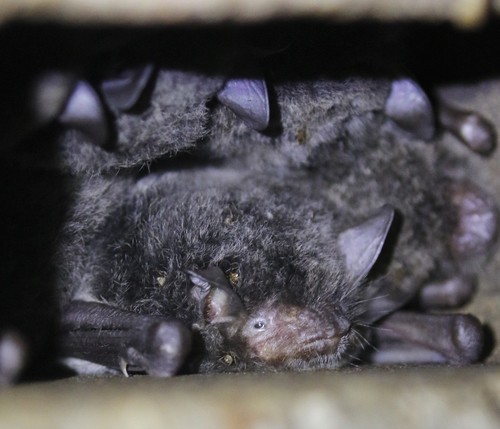
In winter, it roosts in more protected locations, such as near cave entrances, in underground vaults, and in deep rock crevices, and normally roosts alone.