About Eptesicus nilssonii (Keyserling & Blasius, 1839)
Common Name and Dorsal Fur
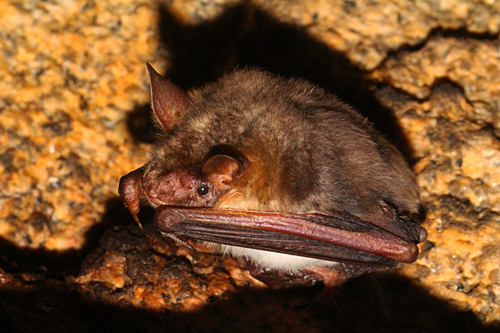
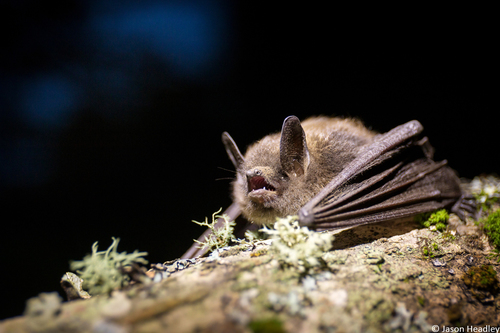
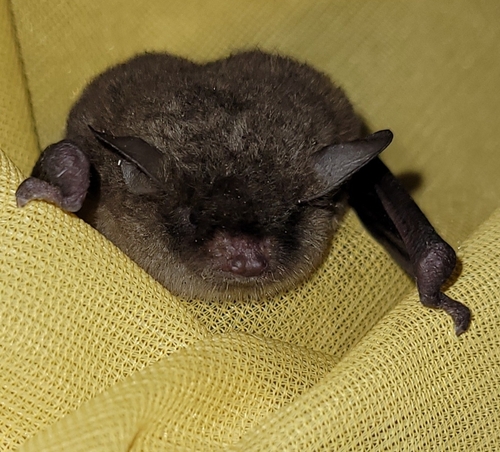
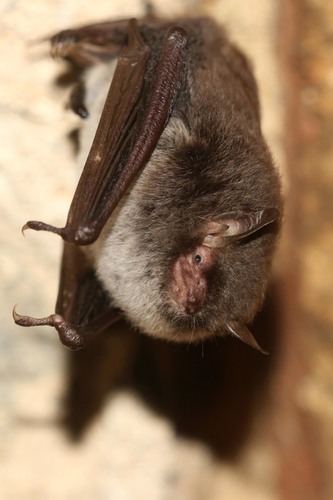
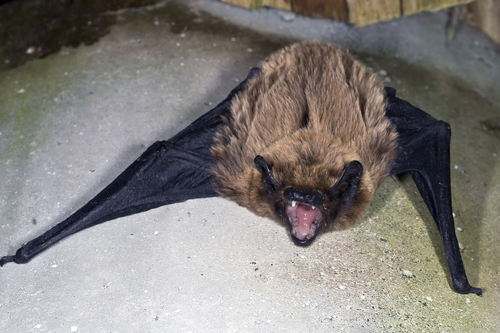
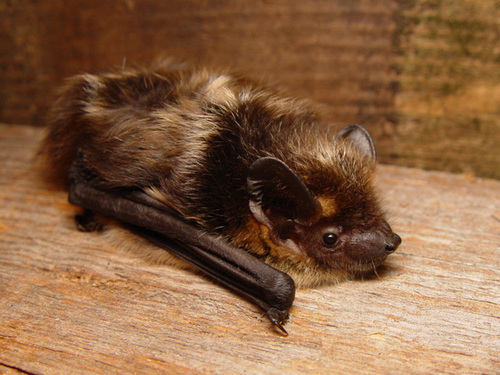
Eptesicus nilssonii, commonly called the northern bat, has dark brown or black base fur, with gold-tipped hairs on its head and back.
Ventral Fur and Soft Part Coloration
Its nose, ears, tail, and wings are black or blackish brown, while the fur on its underside is yellowish brown.
Ear Morphology
This species has short, rounded ears.
Size and Weight Measurements
Body length ranges from 54 to 64 mm (2.1 to 2.5 in), wingspan from 240 to 280 mm (9.4 to 11.0 in), and body mass from 8 to 16 g (0.28 to 0.56 oz), with weight varying by season.
General Distribution
The northern bat is widespread across Eurasia, and it is the most common bat species in the northern part of the continent.
Range Extent
Its range extends from northern Scandinavia, beyond the Arctic Circle, south to northern Italy, and from eastern England east to northern Japan.
Preferred Habitat and Elevation
It prefers forest upland habitats located between 200 and 2,000 m (660 and 6,560 ft) in elevation.
Colony Movement Range
Northern bat colonies can move distances of up to 450 km (280 mi) over multiple years.
Mating and Sperm Storage
Breeding takes place in late autumn; after mating, female northern bats store male sperm through the winter.
Hibernation Period
Hibernation runs from November or December to April.
Reproductive Timeline
Females become pregnant in spring and give birth 50 to 60 days after conception.
Summer Male Behavior
In summer, males live alone.
Summer Female Colony Dynamics
In early summer, females form colonies of 10 to 80 adult individuals; these colonies disband in August, once young bats are capable of flight.
Winter Hibernation Roosts
During winter, the species forms colonies most often in houses, and in either natural or artificial underground habitats.