About Chalinolobus tuberculatus (Forster, 1844)
Common Name and Classification
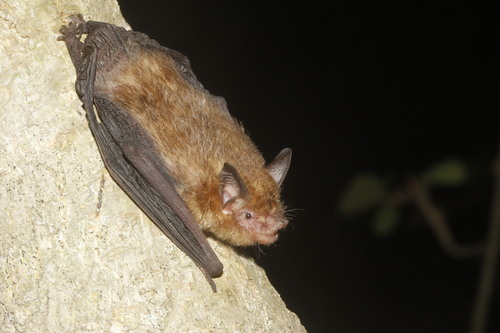
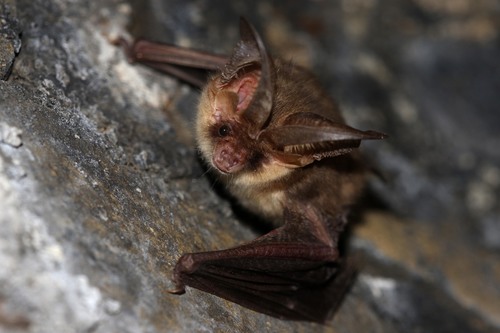
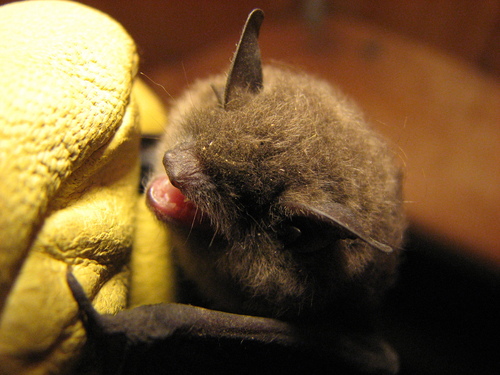
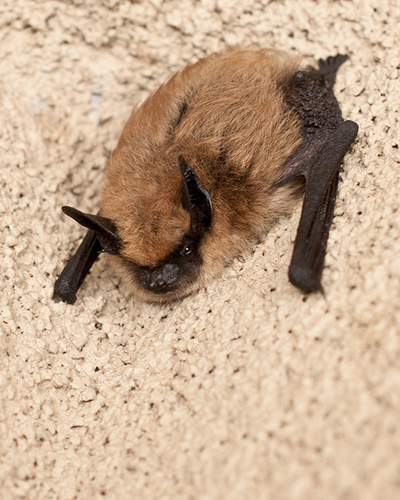
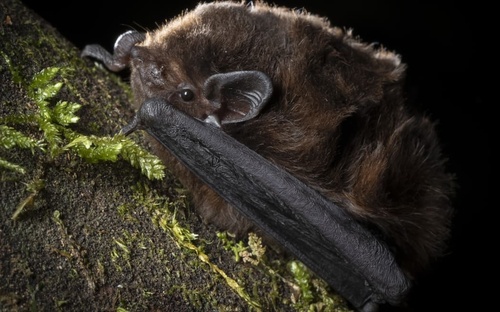
Chalinolobus tuberculatus, more commonly known as the New Zealand long-tailed bat, the long-tailed wattle bat, or pekapeka tou-roa, is a small insectivorous mammal in the genus Chalinolobus. There are 7 total species in the genus Chalinolobus, which are commonly called wattled bats, pied bats, and long-tailed bats.
Genus Morphological Definition
The Chalinolobus genus is defined by fleshy lobes found on the lower lips and at the base of the ears. Some zoologists note that there is taxonomic overlap between the Chalinolobus genus and the Glauconycteris genus.
New Zealand Endemism Status
This long-tailed bat is one of two extant, and three total, terrestrial mammals endemic to the islands of New Zealand. The only other extant endemic terrestrial mammal of New Zealand is the New Zealand lesser short-tailed bat, Mystacina tuberculata.
Congeneric Relatives
The New Zealand long-tailed bat is closely related to 6 other wattled bat species native to Australasia, including Gould's wattled bat (Chalinolobus gouldi), which is the largest species in the Chalinolobus genus.
Bird of the Year Award
Despite not being a bird, the New Zealand long-tailed bat won New Zealand's 2021 Bird of the Year competition.
Conservation Status
The New Zealand long-tailed bat has become extremely rare across New Zealand, and it is currently classified as nationally critical.
Geographic Distribution
It has a very widespread but patchy distribution, with existing populations on both of New Zealand's main islands, as well as Stewart Island, Little Barrier Island, Great Barrier Island, and Kapiti Island.
Urban Extinction Status
There is a negative association between the species' abundance and urbanization, and as of 2024, the species is considered extinct in all urban New Zealand habitats.
Core Population Location
One of the few remaining core populations is located in Eglinton Valley, Fiordland, where most sightings of the species are recorded.
Home Range Size
New Zealand long-tailed bats have very large home ranges that can reach up to 20 kilometers in radius.
Male Mating Condition
Male New Zealand long-tailed bats can only engage in mating behavior when their epididymides are grey and swollen.
Mating and Gestation Timing
Sperm begins to be present in late summer, which is when mating typically starts, but pregnancy does not begin until late spring.
Female Reproductive Maturity
Female bats reach reproductive maturity at around 2 years old, and remain reproductively active until they are 9 years old, giving birth to one single pup each year.
Gestation Period Length
Females have a gestation period of 6 to 8 weeks, spanning spring into early summer.
Pup Birth Details
A single infant, around 1 centimeter long, is born in December. Newborn pups are hairless and blind at birth.
Post-Birth Nursing
After birth, the mother nurses her pup every 1 to 3 hours.
Pup Flight Development
Once a pup reaches 4 to 5 weeks of age and weighs at least 7 grams, it begins to fly.
Species Lifespan
The typical proposed lifespan of the New Zealand long-tailed bat is 7 to 11 years, though the species could potentially live up to 30 years under ideal conditions.