Animals — 36,937 Species
Top Families in Animals
All Animals Species
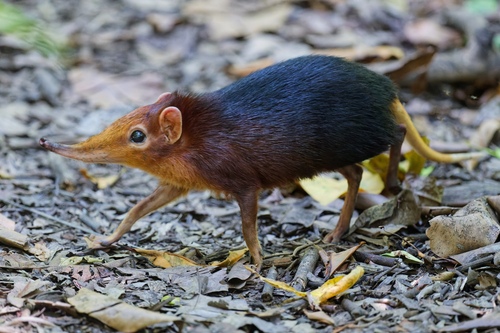
Black-and-rufous Sengi
Rhynchocyon petersi Bocage, 1880
Rhynchocyon petersi is a large African elephant shrew native to Kenyan and Tanzanian forests, with declining populations from habitat loss.
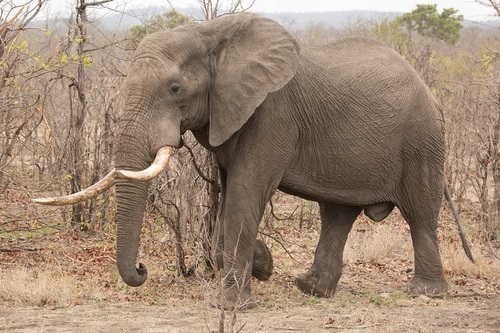
African Savanna Elephant
Loxodonta africana (Blumenbach, 1797)
Loxodonta africana, the African bush elephant, is the largest living land mammal found across sub-Saharan Africa with varied regional population trends.
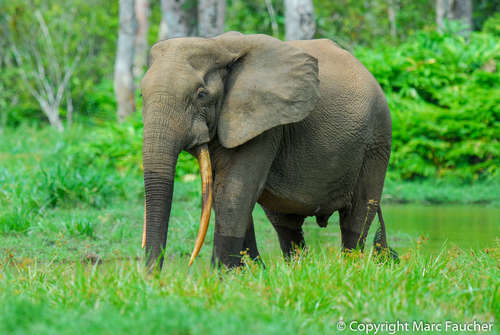
Forest Elephant
Loxodonta cyclotis (Matschie, 1900)
The African forest elephant is a smaller African elephant species living in Central and West African rainforests, with slow reproduction.
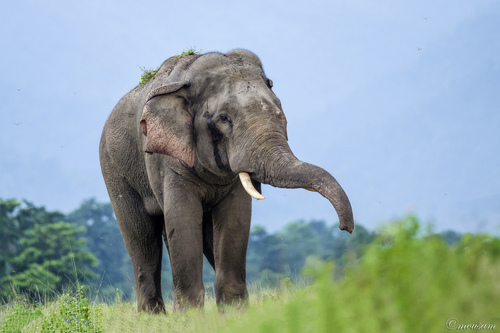
Asian Elephant
Elephas maximus Linnaeus, 1758
Elephas maximus Linnaeus, 1758, the Asian elephant, is a large megaherbivore found across South and Southeast Asia. This entry covers its description, distribution, behavior, and reproduction.
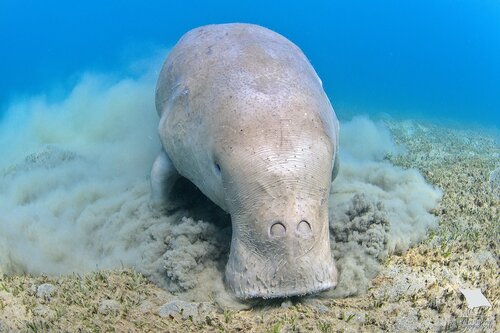
Dugong
Dugong dugon (Müller, 1776)
Dugong dugon is a long-lived, strictly marine herbivorous mammal native to warm Indo-Pacific and African coastal waters.

West Indian Manatee
Trichechus manatus Linnaeus, 1758
This is a detailed biological description of the West Indian manatee Trichechus manatus covering anatomy, distribution and reproduction.
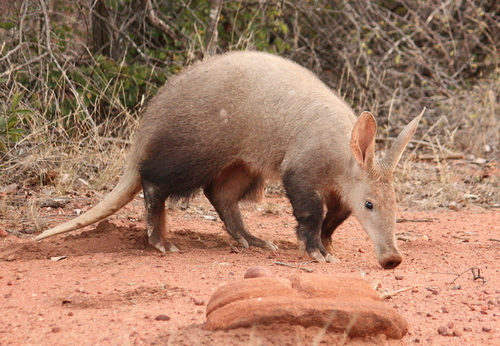
Aardvark
Orycteropus afer (Pallas, 1766)
Orycteropus afer, the aardvark, is a pig-like burrowing mammal native to most of sub-Saharan Africa.
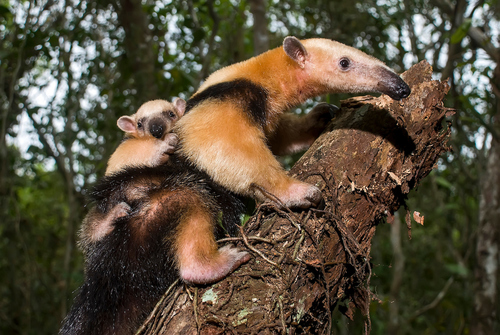
Southern Tamandua
Tamandua tetradactyla (Linnaeus, 1758)
Tamandua tetradactyla, the southern tamandua, is a medium-sized anteater found across much of South America and Trinidad.
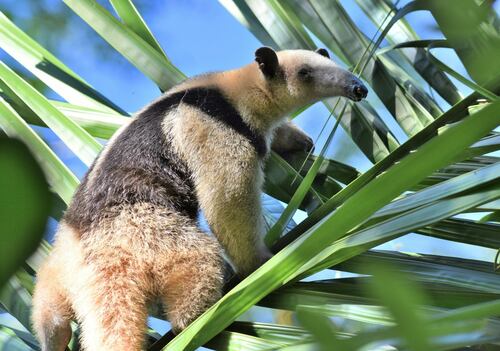
Northern Tamandua
Tamandua mexicana (Saussure, 1860)
Tamandua mexicana, the northern tamandua, is a medium-sized arboreal anteater native to forests from southern Mexico to northwestern Peru.
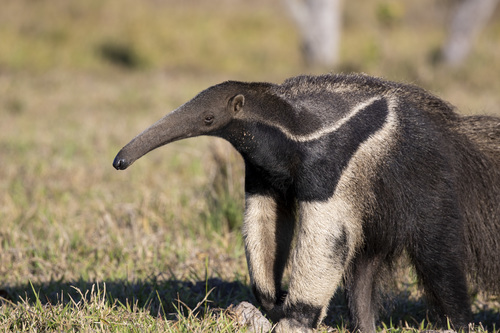
Giant Anteater
Myrmecophaga tridactyla Linnaeus, 1758
Myrmecophaga tridactyla, the giant anteater, is the largest extant anteater, native to Central and South America and listed as Vulnerable.
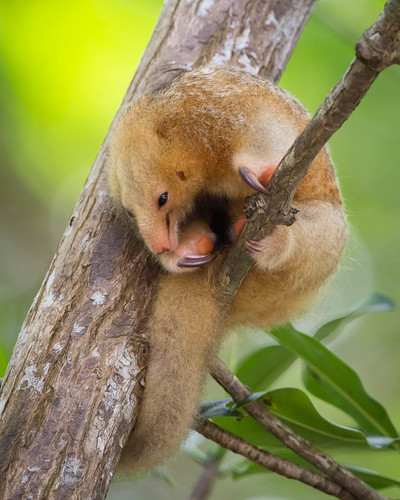
Northeastern Silky Anteater
Cyclopes didactylus (Linnaeus, 1758)
Cyclopes didactylus, the silky anteater, is the smallest living anteater native to forests across Central and South America.
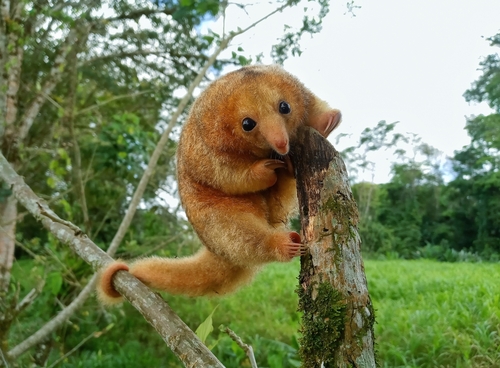
Northern Silky Anteater
Cyclopes dorsalis (Gray, 1865)
Cyclopes dorsalis, the silky anteater, is the smallest living anteater with an arboreal lifestyle found across forests from Mexico to northern South America.
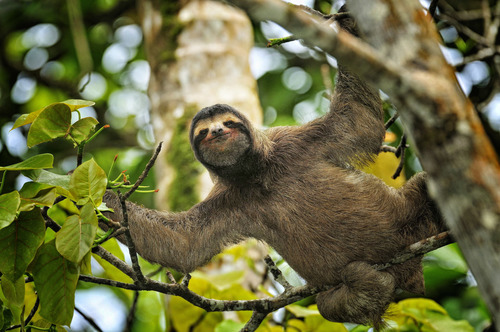
Brown-throated Three-toed Sloth
Bradypus variegatus Schinz, 1825
Bradypus variegatus, the brown-throated sloth, is a widespread Central and South American three-toed sloth with symbiotic fur microbes.
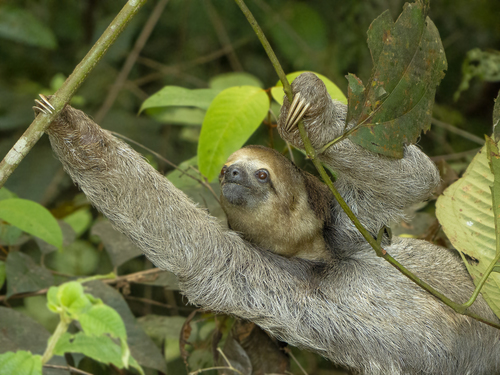
Pale-throated Three-toed Sloth
Bradypus tridactylus Linnaeus, 1758
Bradypus tridactylus, the pale-throated sloth, is a three-toed sloth native to northern South American tropical forests.
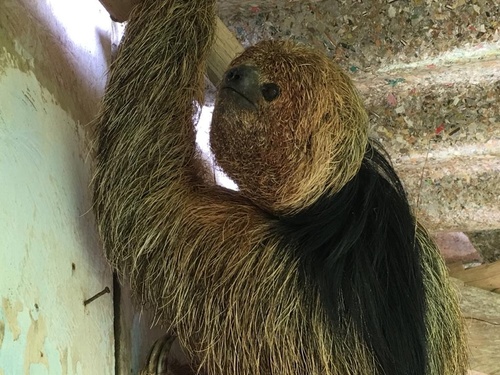
Maned Three-toed Sloth
Bradypus torquatus Illiger, 1811
Bradypus torquatus (maned sloth) is an endemic Brazilian three-toed sloth restricted to the Atlantic coastal rainforest.
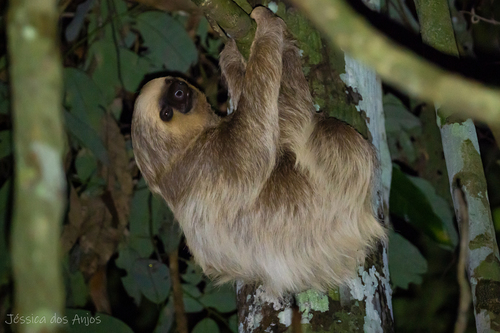
Linnaeus's Two-toed Sloth
Choloepus didactylus (Linnaeus, 1758)
Choloepus didactylus, the Linnaeus's two-toed sloth, is a nocturnal arboreal rainforest mammal with unique reversed belly fur growth.
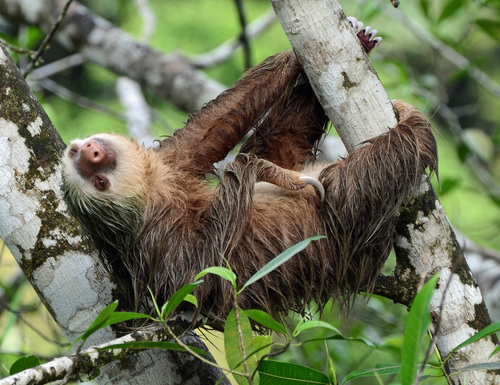
Hoffmann's Two-toed Sloth
Choloepus hoffmanni Peters, 1858
Hoffmann's two-toed sloth is a neotropical canopy-dwelling sloth with distinctive two foretoes, living up to 43 years in captivity.
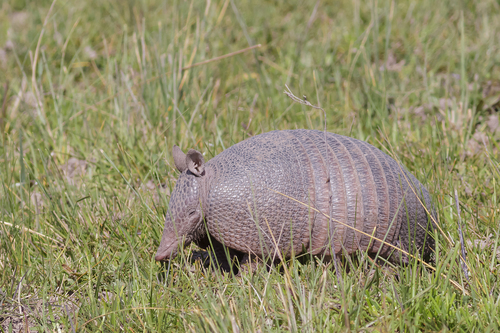
Seven-banded Long-nosed Armadillo
Dasypus septemcinctus Linnaeus, 1758
Dasypus septemcinctus, the seven-banded armadillo, is a long-nosed armadillo with distinct anatomy and unique brain traits useful for research.
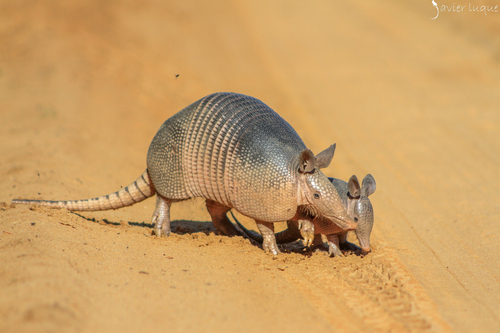
Southern Long-nosed Armadillo
Dasypus novemcinctus Linnaeus, 1758
This is a profile of the nine-banded armadillo covering its physical traits, habitat, expanding range, reproduction, and ecological impacts.
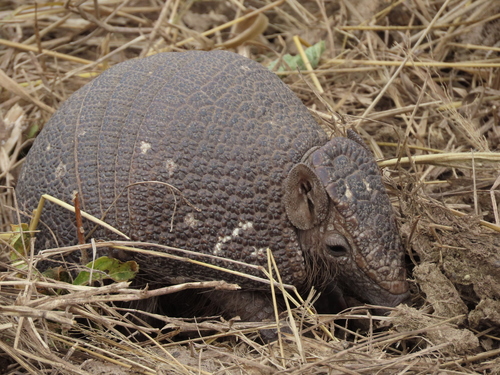
Southern Three-banded Armadillo
Tolypeutes matacus (Desmarest, 1804)
Tolypeutes matacus, the southern three-banded armadillo, is a small South American armadillo that can roll into a complete defensive ball.
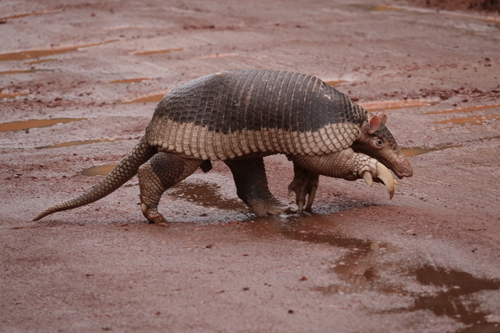
Giant Armadillo
Priodontes maximus (Kerr, 1792)
Priodontes maximus, the giant armadillo, is the largest living armadillo, found across much of northern South America east of the Andes.
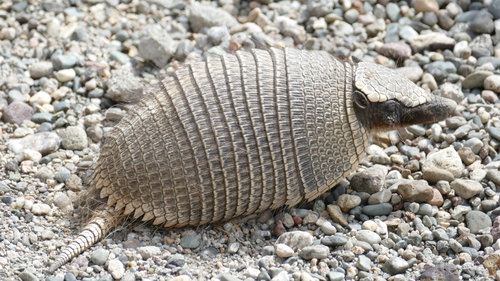
Pichi
Zaedyus pichiy (Desmarest, 1804)
Zaedyus pichiy, the pichi, is a small armadillo from southern South America that lives in arid and semiarid steppe grasslands with sandy soil.
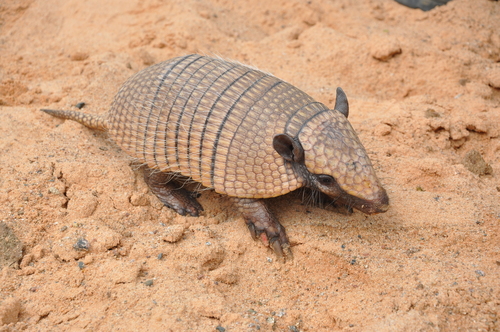
Six-banded Armadillo
Euphractus sexcinctus (Linnaeus, 1758)
This is a description of the six-banded armadillo (Euphractus sexcinctus), covering its anatomy, range, behavior, and reproduction.
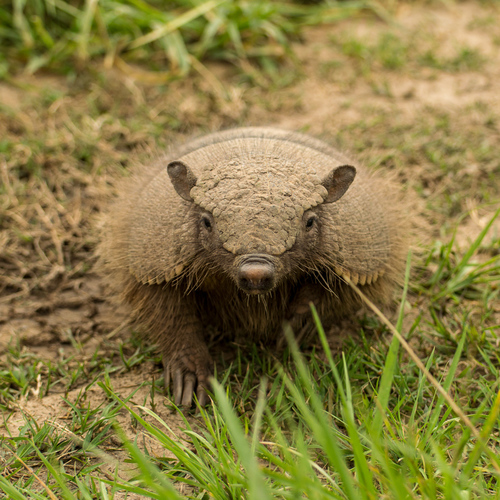
Large Hairy Armadillo
Chaetophractus villosus (Desmarest, 1804)
Chaetophractus villosus, the big hairy armadillo, is a widespread, well-adapted armadillo species found across parts of South America.
Start Exploring Nature Today
Download iNature for free. 10 identifications on us. No account needed. No credit card required.
Scan with iPhone camera
Scan with Android camera


