Cricetidae
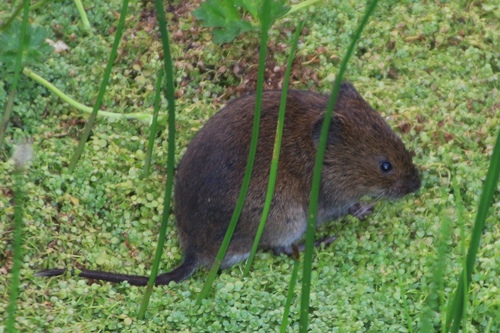
Townsend's Vole
Microtus townsendii (Bachman, 1839)
Microtus townsendii, or Townsend's vole, is a large North American vole found along the continent's western coast in wet lowland and upland habitats.
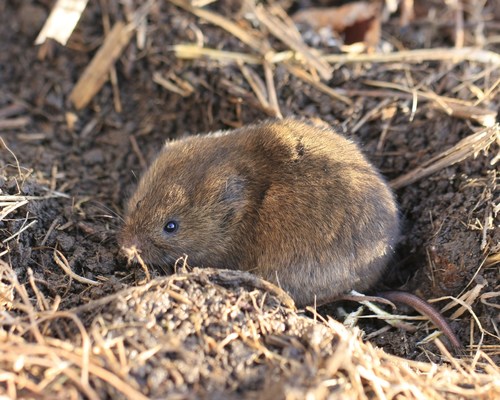
Eastern Meadow Vole
Microtus pennsylvanicus (Ord, 1815)
Microtus pennsylvanicus, the eastern meadow vole, is a widespread North American small rodent that lives in grassy habitats.
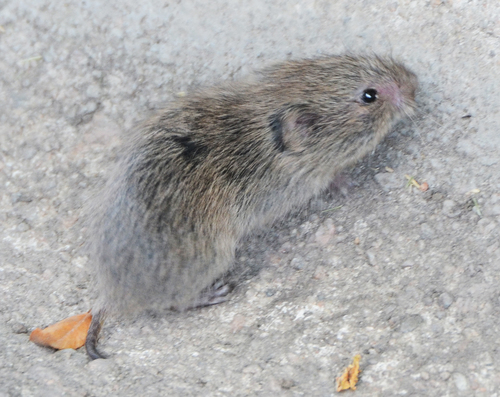
Prairie Vole
Microtus ochrogaster (Wagner, 1842)
Microtus ochrogaster, the prairie vole, is a small North American grassland rodent widely used as a model to study monogamy.
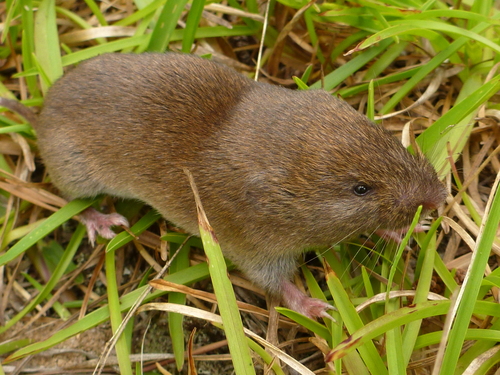
Woodland Vole
Microtus pinetorum (Le Conte, 1830)
Microtus pinetorum, the woodland vole, is a small partially subterranean rodent native to eastern and central US that lives in family groups.
California Vole
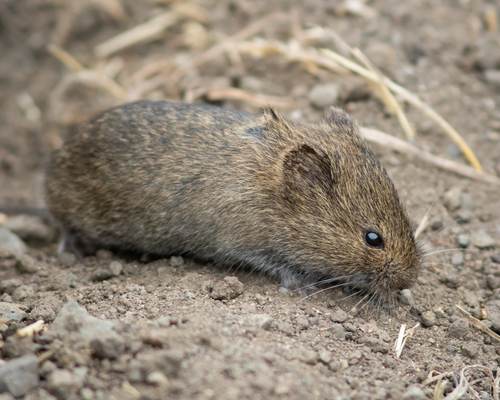
Microtus californicus (Peale, 1848)
The California vole (Microtus californicus) is a medium-sized North American grassland herbivore with short lifespan and common status.
Mexican Vole
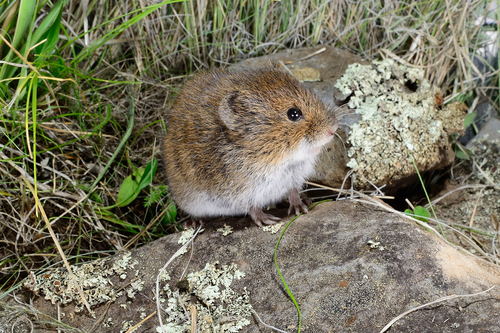
Microtus mexicanus (Saussure, 1861)
Microtus mexicanus, the Mexican vole, is a vole species found in disjunct populations across the southwestern US and Mexico.
Common Vole
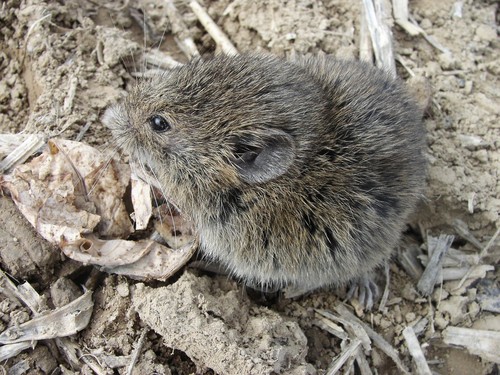
Microtus arvalis (Pallas, 1779)
Microtus arvalis, the common vole, is a widespread Eurasian rodent with variable reproduction, fluctuating populations, and many predators.
Field Vole
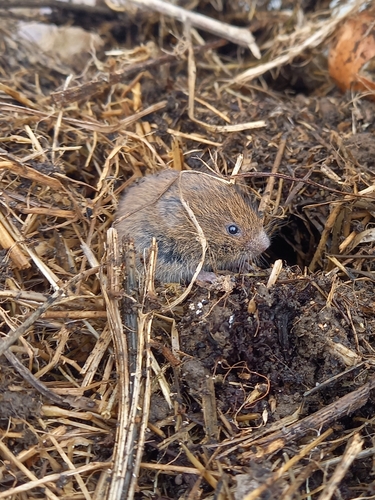
Microtus agrestis (Linnaeus, 1761)
Microtus agrestis, the short-tailed field vole, is a small dark brown Palearctic rodent that prefers wet, open habitats.
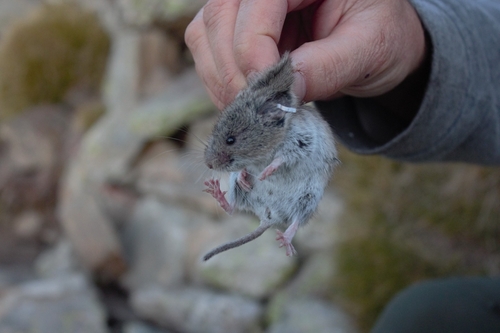
European Snow Vole
Chionomys nivalis (Martins, 1842)
Chionomys nivalis, the European snow vole, is a specialized rock-dwelling glacial relict rodent native to Eurasian mountains.
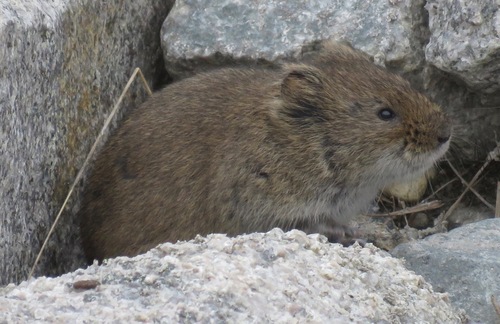
Tundra Vole
Microtus oeconomus (Pallas, 1776)
Microtus oeconomus, the tundra vole, is a small, sexually dimorphic rodent that lives in damp, watery-near habitats.
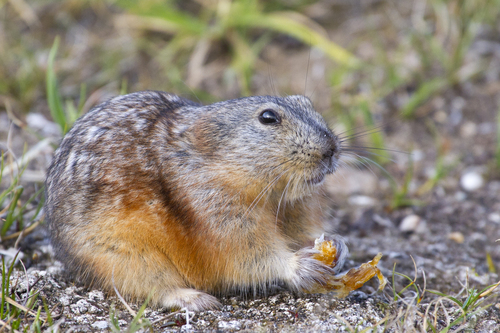
Northern Collared Lemming
Dicrostonyx groenlandicus (Traill, 1823)
Dicrostonyx groenlandicus is a small Arctic rodent with seasonal fur change, found in northern North America, Greenland, and Wrangel Island.
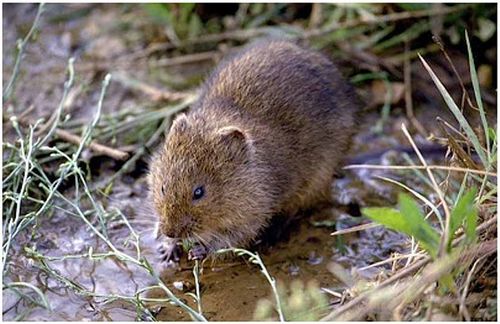
Southwestern Water Vole
Arvicola sapidus Miller, 1908
Arvicola sapidus, the southwestern water vole, is a Near Threatened large amphibious vole native to southwestern Europe.
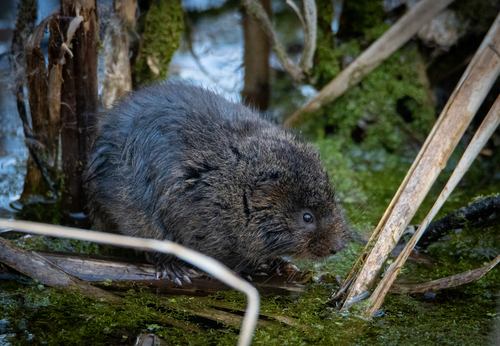
European Water Vole
Arvicola amphibius (Linnaeus, 1758)
Arvicola amphibius, the European water vole, is a semi-aquatic rodent found across Eurasia with varied habitat preferences.
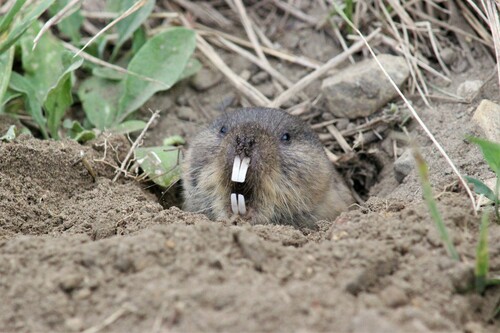
Northern Molevole
Ellobius talpinus (Pallas, 1770)
Ellobius talpinus, the northern mole vole, is a small burrowing colonial mammal found across parts of Eurasia.
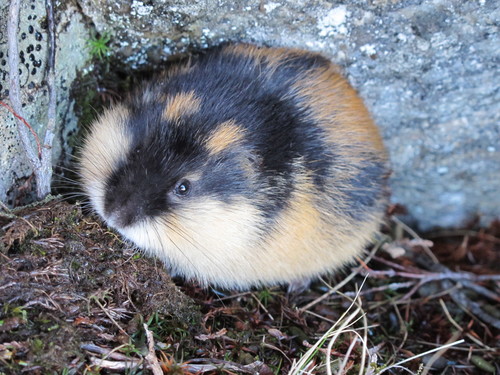
Norway Brown Lemming
Lemmus lemmus (Linnaeus, 1758)
Lemmus lemmus, the Norway lemming, is a small lemming with distinct population color variations, native to northern Europe.
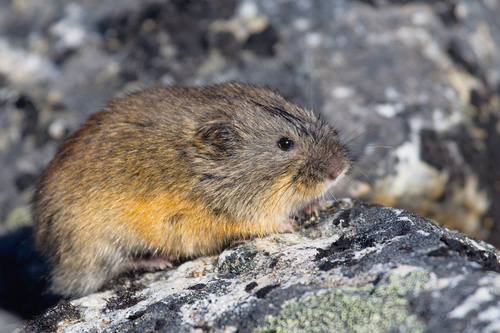
Nearctic Brown Lemming
Lemmus trimucronatus (Richardson, 1825)
Lemmus trimucronatus, the brown lemming, is a small North American tundra rodent with specific physical traits and diet.
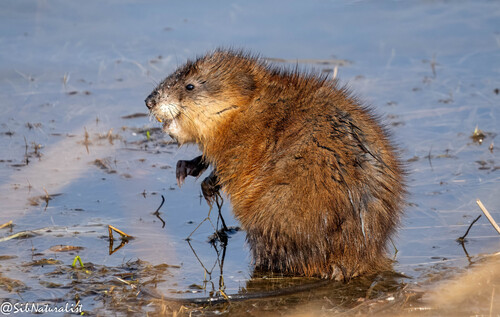
Muskrat
Ondatra zibethicus (Linnaeus, 1766)
The muskrat (Ondatra zibethicus) is a large semiaquatic cricetid rodent native to North America, introduced widely for its fur.
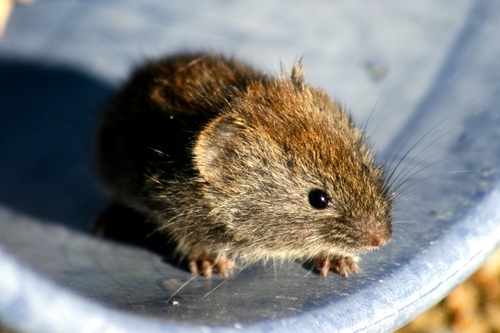
Grey Red-backed Vole
Myodes rufocanus (Sundevall, 1846)
Myodes rufocanus, the grey red-backed vole, is a northern Eurasian vole with a distinctive reddish back, found in forest and open northern habitats.
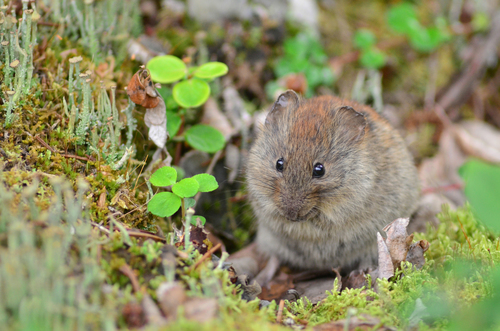
Northern Red-backed Vole
Myodes rutilus (Pallas, 1779)
Myodes rutilus, the northern red-backed vole, is a small northern rodent with distinct physical traits, habitat preferences, and seasonal berry-focused feeding habits.
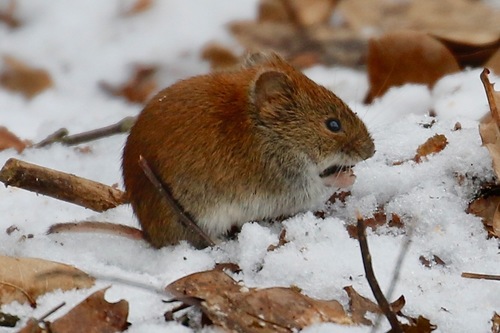
Bank Vole
Myodes glareolus (Schreber, 1780)
Myodes glareolus, the bank vole, is a small Palearctic rodent that acts as a reservoir for human-infecting Puumala virus.
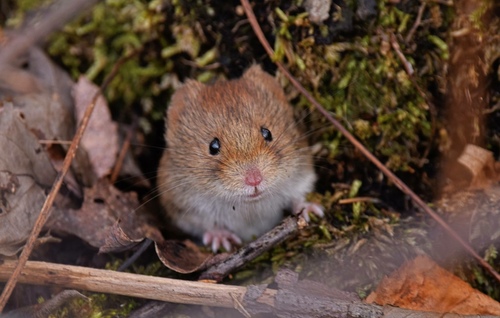
Southern Red-backed Vole
Myodes gapperi (Vigors, 1830)
Myodes gapperi, the southern red-backed vole, is a small omnivorous vole found in North American forests near wetlands.
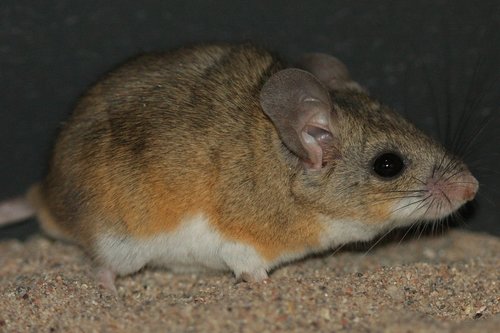
Cactus Deermouse
Peromyscus eremicus (Baird, 1857)
Peromyscus eremicus, the cactus mouse, is a small North American arid-region cricetid rodent.
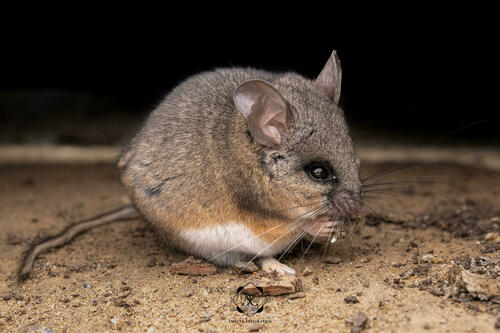
California Mouse
Peromyscus californicus (Gambel, 1848)
Peromyscus californicus, the California deermouse, is a large-eared mouse with a distinct orange-brown coat and specific physical traits.
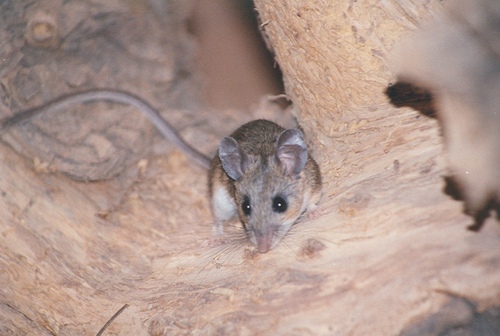
Brush Deermouse
Peromyscus boylii (Baird, 1855)
Peromyscus boylii, the brush mouse, is a medium-sized North American mouse with specific habitat preferences and varied omnivorous diet.
Related Families
Start Exploring Nature Today
Download iNature for free. 10 identifications on us. No account needed. No credit card required.
Scan with iPhone camera
Scan with Android camera


