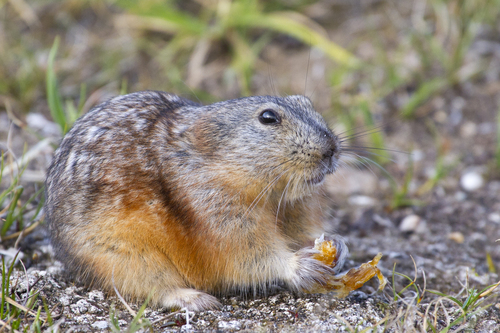
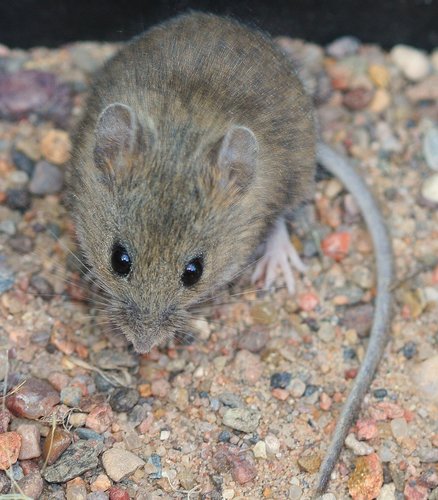
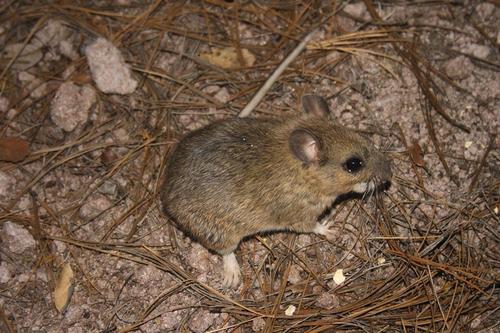
How to Identify Cricetidae

Cricetidae is a animal family in the Animalia kingdom, order Rodentia, class Mammalia. The family contains 53 accepted species worldwide.

Key Identification Features

For instant identification in the field, use the iNature app — AI-powered, works offline.
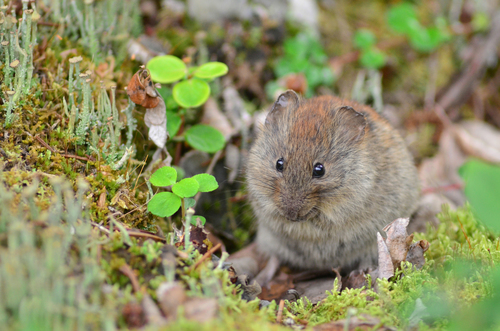
Representative Cricetidae Species

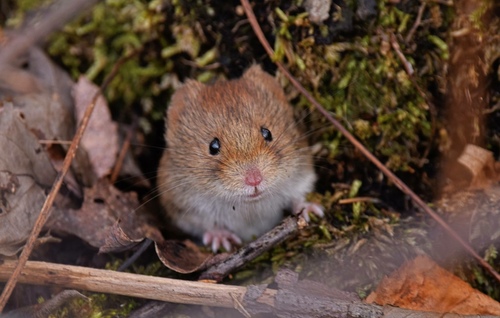
How to identify Myodes rutilus (Pallas, 1779)

Myodes rutilus (Pallas, 1779)

Myodes rutilus (Pallas, 1779)

Myodes rutilus, the northern red-backed vole, is a small northern rodent with di…

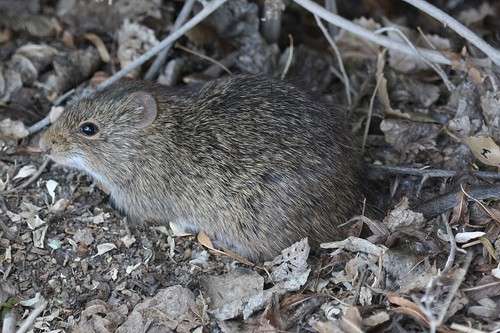
How to identify Sigmodon arizonae Mearns, 1890

Sigmodon arizonae Mearns, 1890

Sigmodon arizonae Mearns, 1890

Sigmodon arizonae (Arizona cotton rat) is a distinct rat species found in the so…

How to identify Neotoma floridana (Ord, 1818)

Neotoma floridana (Ord, 1818)

Neotoma floridana (Ord, 1818)

Neotoma floridana, the eastern woodrat, is a medium-sized solitary North America…

How to identify Myodes gapperi (Vigors, 1830)

Myodes gapperi (Vigors, 1830)

Myodes gapperi (Vigors, 1830)

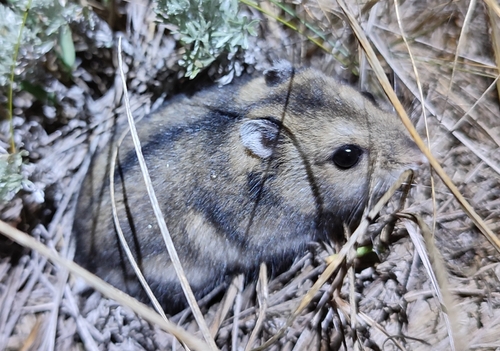
Myodes gapperi, the southern red-backed vole, is a small omnivorous vole found i…

How to identify Neotoma macrotis Thomas, 1893

Neotoma macrotis Thomas, 1893

Neotoma macrotis Thomas, 1893

The big-eared woodrat is a nocturnal cricetid rodent endemic to western North Am…

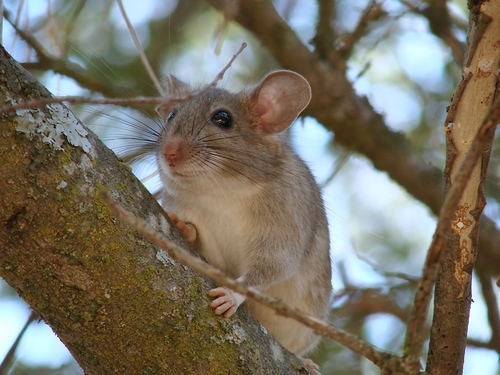
How to identify Peromyscus eremicus (Baird, 1857)

Peromyscus eremicus (Baird, 1857)

Peromyscus eremicus (Baird, 1857)

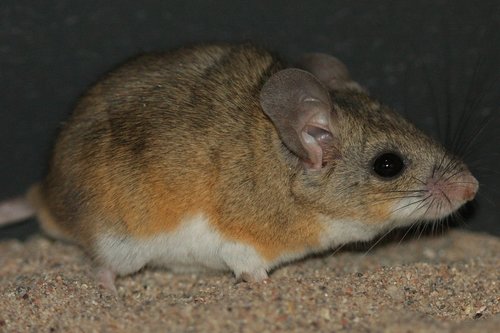
Peromyscus eremicus, the cactus mouse, is a small North American arid-region cri…

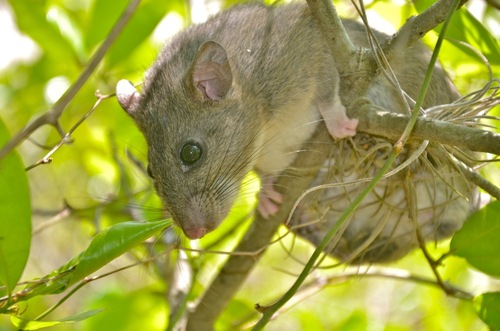
How to identify Ototylomys phyllotis Merriam, 1901

Ototylomys phyllotis Merriam, 1901

Ototylomys phyllotis Merriam, 1901

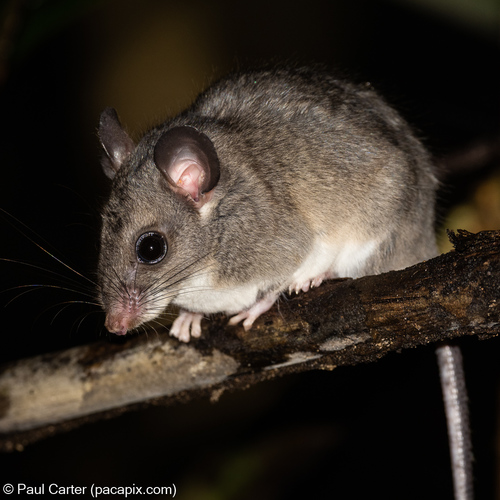
Ototylomys phyllotis, the big-eared climbing rat, is a widely distributed cricet…

How to identify Phodopus sungorus (Pallas, 1773)

Phodopus sungorus (Pallas, 1773)

Phodopus sungorus (Pallas, 1773)

This is a full physical description of the winter white dwarf hamster (Phodopus …

How to identify Peromyscus maniculatus (Wagner, 1845)

Peromyscus maniculatus (Wagner, 1845)

Peromyscus maniculatus (Wagner, 1845)

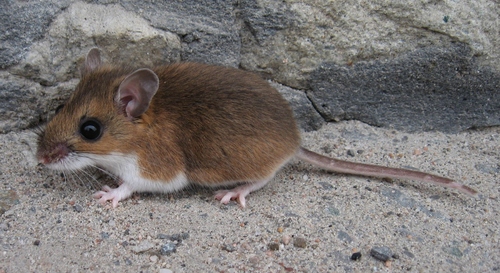
Peromyscus maniculatus, the eastern deermouse, is a small North American rodent …

How to identify Dicrostonyx groenlandicus (Traill, 1823)

Dicrostonyx groenlandicus (Traill, 1823)

Dicrostonyx groenlandicus (Traill, 1823)

Dicrostonyx groenlandicus is a small Arctic rodent with seasonal fur change, fou…

How to identify Reithrodontomys megalotis (Baird, 1857)

Reithrodontomys megalotis (Baird, 1857)

Reithrodontomys megalotis (Baird, 1857)

Reithrodontomys megalotis, the western harvest mouse, is a small North American …

How to identify Neotoma mexicana Baird, 1855

Neotoma mexicana Baird, 1855

Neotoma mexicana Baird, 1855

Neotoma mexicana is a generalist-feeding rodent found from the southwestern US s…

Browse all 53 Cricetidae species →

Frequently Asked Questions

How do you identify Cricetidae?

Cricetidae animals belong to the Rodentia order in the Animalia kingdom. It is very similar to the hispid cotton rat, and was classified as part of the hispid cotton rat species until 1970, when genetic analysis confirmed that it is a distinct species. For instant identification, use the iNature app — AI-powered and works offline.

What are the key characteristics of Cricetidae?

Cricetidae is classified in the order Rodentia, class Mammalia, phylum Chordata. All deermice of this species have a distinct white underside and white feet.

Sources: GBIF, iNaturalist, Wikipedia · Disclaimer

Start Exploring Nature Today

Download iNature for free. 10 identifications on us. No account needed. No credit card required.

App Store
Scan to download from App Store

Scan with iPhone camera

Google Play
Scan to download from Google Play

Scan with Android camera