Cervidae — Deer Family
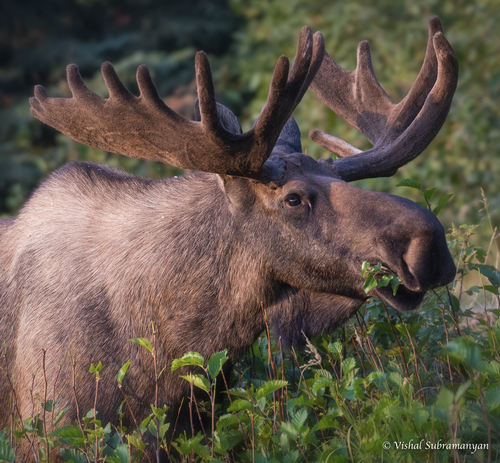
Moose
Alces alces (Linnaeus, 1758)
Alces alces, the moose, is the largest deer species with specific habitat needs, a distinct breeding cycle, and is hunted as game.
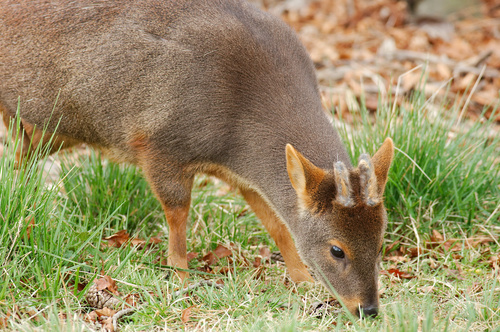
Southern Pudú
Pudu puda (Molina, 1782)
Pudu puda, the southern pudu, is the world's third smallest deer, native to forested areas of Chile and Argentina.
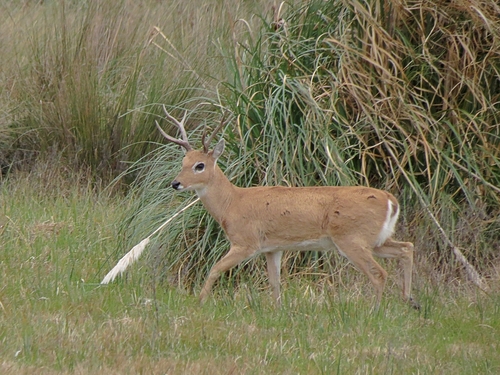
Pampas Deer
Ozotoceros bezoarticus (Linnaeus, 1758)
Ozotoceros bezoarticus, the Pampas deer, is a small deer species with distinct physical and reproductive traits.
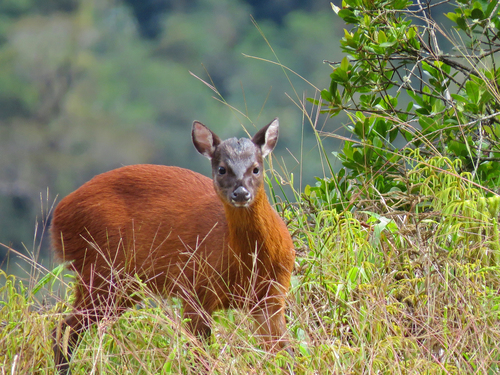
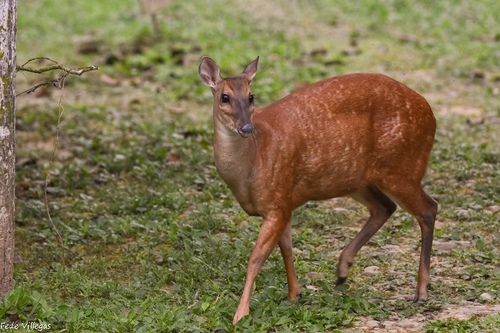
North Andean Red Brocket
Mazama rufina (Bourcier & Pucheran, 1852)
The little red brocket is a small little-studied Andean deer with a reddish coat.
Northwestern Red Brocket
Mazama americana (Erxleben, 1777)
Mazama americana is the largest brocket deer species, with distinct size, coloration and sexual dimorphism in antlers.
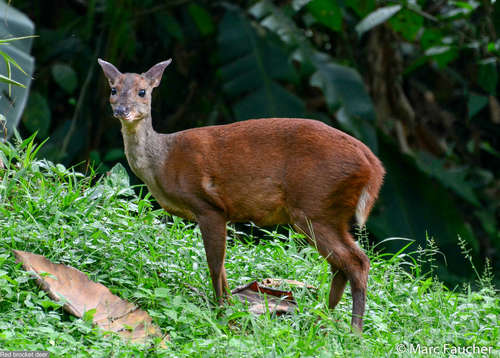
Mexican Red Brocket
Mazama temama (Kerr, 1792)
Mazama temama, the Central American red brocket, is a brocket deer species found across Central American region to northwestern Colombia in tropical forests.
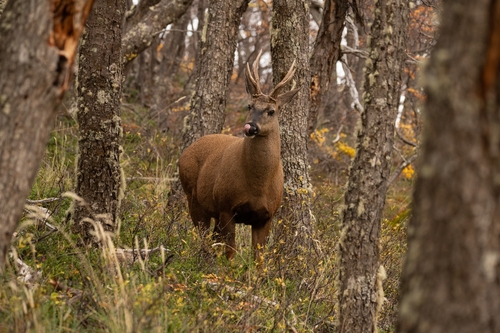
Southern Huemul
Hippocamelus bisulcus (Molina, 1782)
Hippocamelus bisulcus (south Andean huemul deer) is a threatened Andean ungulate with notable sexual dimorphism.
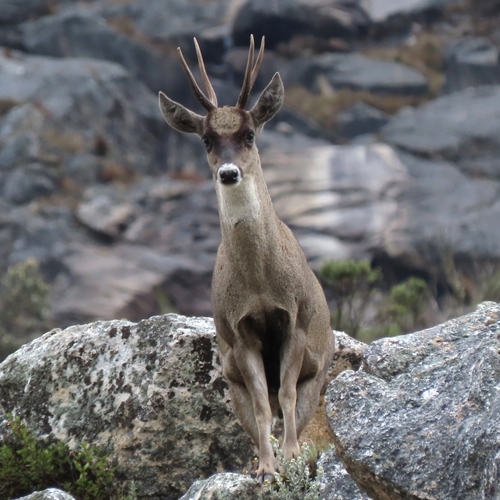
Northern Huemul
Hippocamelus antisensis (d'Orbigny, 1834)
Hippocamelus antisensis, the taruca, is a medium-sized Andean deer with distinct male markings and two-tined antlers.
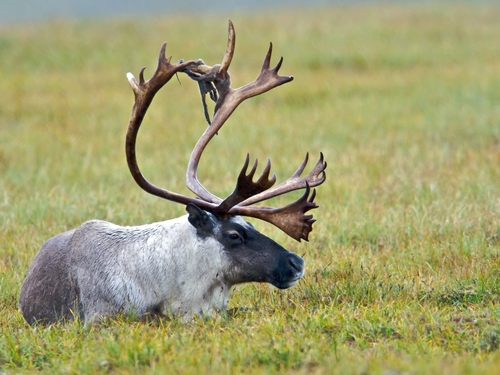
Caribou
Rangifer tarandus (Linnaeus, 1758)
Rangifer tarandus (reindeer/caribou) is a Holarctic hoofed mammal with diverse subspecies, migrations, and declining populations linked to climate change.
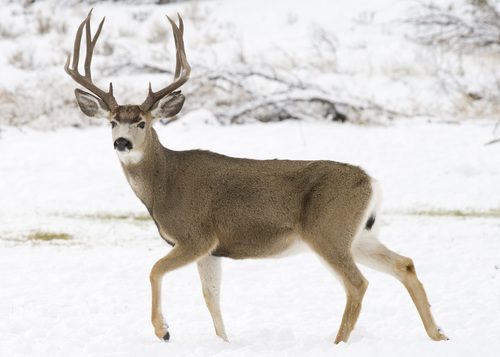
Mule Deer
Odocoileus hemionus (Rafinesque, 1817)
Odocoileus hemionus (mule deer) is a species of deer distinguished from white-tailed deer by ear size, tail, antlers, and average body size.
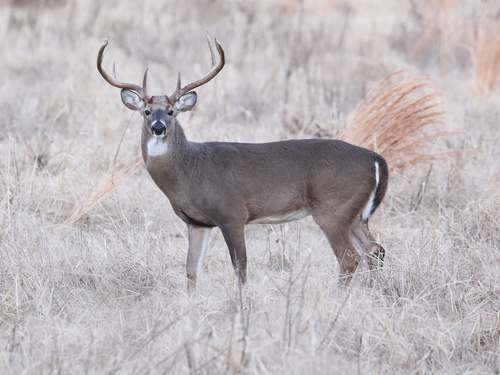
White-tailed Deer
Odocoileus virginianus (Zimmermann, 1780)
Odocoileus virginianus, the white-tailed deer, is a widely distributed North American deer introduced to other global regions.
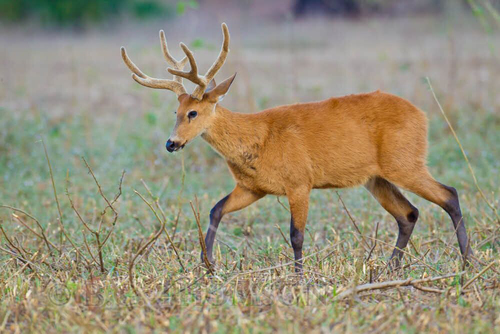
Marsh Deer
Blastocerus dichotomus (Illiger, 1815)
Marsh deer (Blastocerus dichotomus) is the largest living South American deer, native to South American marsh habitats.
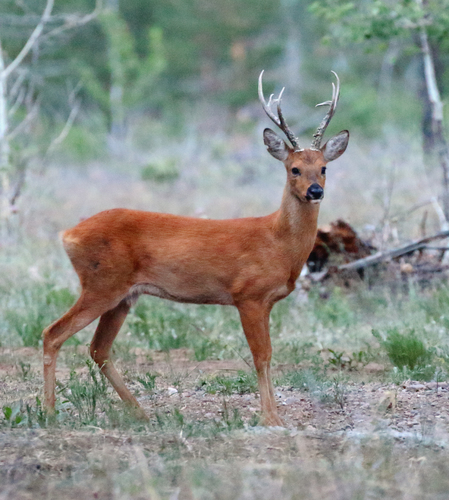
Eastern Roe Deer
Capreolus pygargus (Pallas, 1771)
Capreolus pygargus, the Siberian roe deer, is a medium-sized deer native to temperate Eastern Europe and Asia.
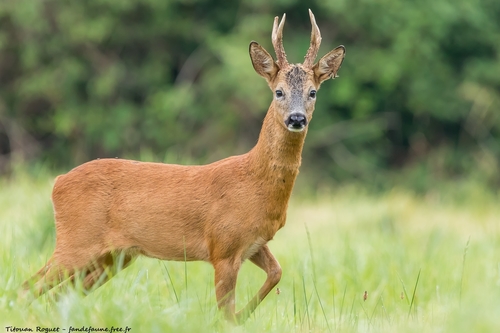
Western Roe Deer
Capreolus capreolus (Linnaeus, 1758)
Capreolus capreolus (roe deer) is a small European deer, hunted as game that is the main source of venison in Europe.
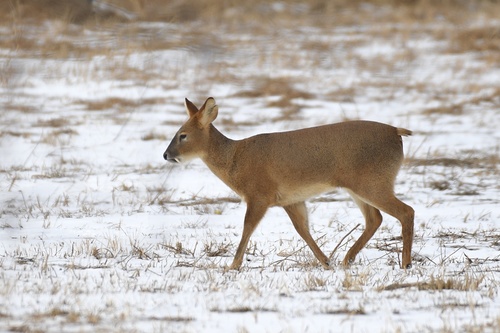
Water Deer
Hydropotes inermis Swinhoe, 1870
Hydropotes inermis, the water deer, is a small tusked deer native to China and Korea with two recognized subspecies.
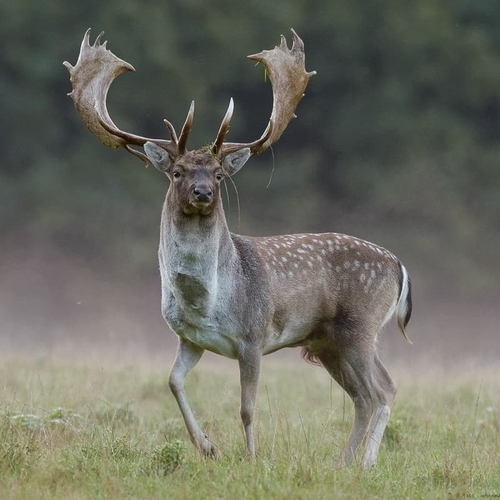
European Fallow Deer
Dama dama (Linnaeus, 1758)
Dama dama, the fallow deer, is a medium-sized cervid with varied coat colour, flexible diet, and specific rutting behaviour.
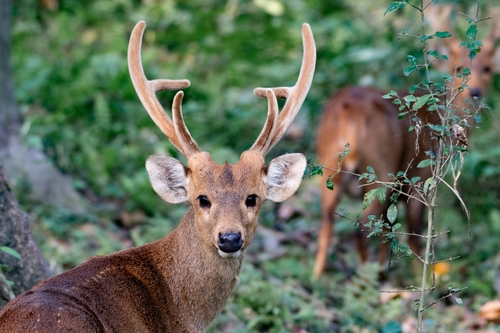
Indochinese Hog Deer
Axis porcinus (Zimmermann, 1780)
Axis porcinus, the Indian hog deer, is a small solidly-built deer with specific range and natural predators.
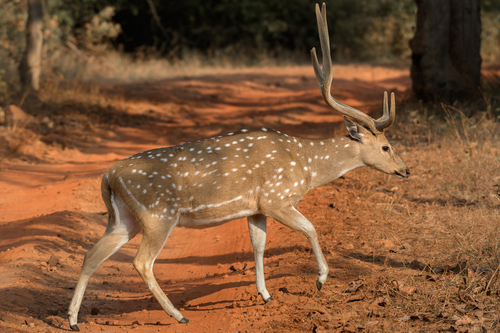
Chital
Axis axis (Erxleben, 1777)
Axis axis, the chital, is a moderately spotted Asian deer with detailed physical, behavioral, and reproductive traits.
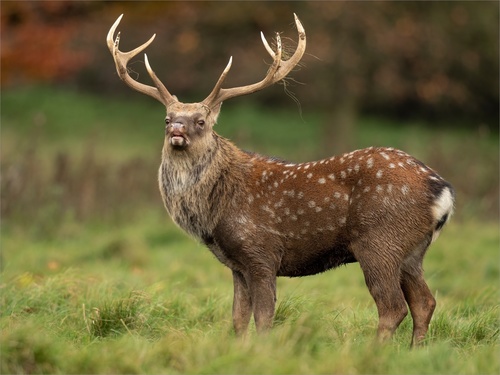
Sika Deer
Cervus nippon Temminck, 1838
Cervus nippon, the sika deer, is a medium-sized spotted Asian deer with introduced populations in Europe, North America and New Zealand.
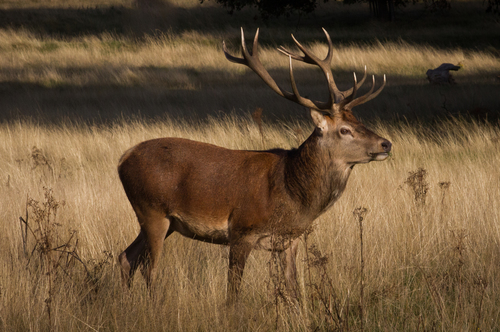
Red Deer
Cervus elaphus Linnaeus, 1758
Cervus elaphus (red deer) is the fourth-largest extant deer species, with size variation across its subspecies.
Red Deer
Cervus elaphus canadensis Erxleben, 1777
Cervus elaphus canadensis Erxleben, 1777, the red deer, is the fourth-largest extant deer with varied size across subspecies.
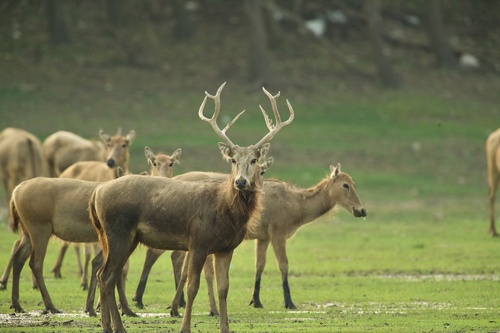
Père David's Deer
Elaphurus davidianus Milne-Edwards, 1866
Père David's deer (Elaphurus davidianus) is a semiaquatic deer with unique antlers and specific physical and behavioral traits.
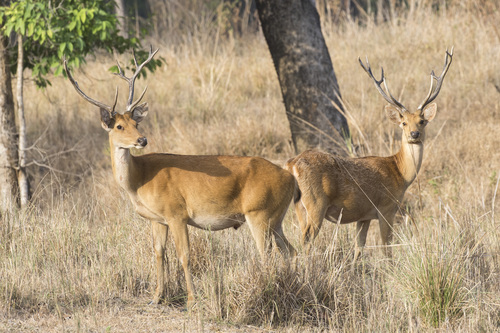
Barasingha
Rucervus duvaucelii (G.Cuvier, 1823)
Rucervus duvaucelii, the barasingha or swamp deer, is a large deer native to the Indian subcontinent with three recognized subspecies.
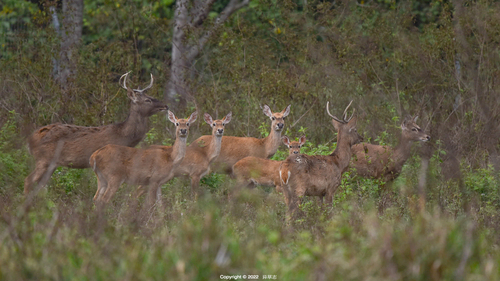
Eld's Deer
Rucervus eldii (M'Clelland, 1842)
Eld's deer is an endangered deer species endemic to South and Southeast Asia with three recognized threatened subspecies.
Related Families
Start Exploring Nature Today
Download iNature for free. 10 identifications on us. No account needed. No credit card required.
Scan with iPhone camera
Scan with Android camera


