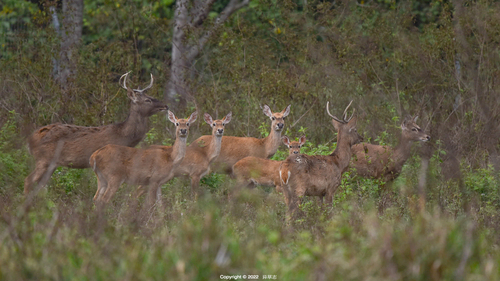
How to Identify Cervidae

Cervidae is a animal family in the Animalia kingdom, order Artiodactyla, class Mammalia. The family contains 30 accepted species worldwide.

Key Identification Features

For instant identification in the field, use the iNature app — AI-powered, works offline.
Representative Cervidae Species

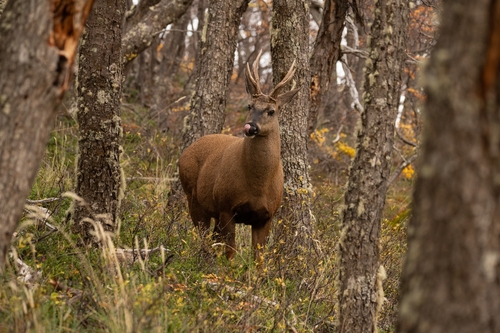
How to identify Hippocamelus bisulcus (Molina, 1782)

Hippocamelus bisulcus (Molina, 1782)

Hippocamelus bisulcus (Molina, 1782)

Hippocamelus bisulcus (south Andean huemul deer) is a threatened Andean ungulate…

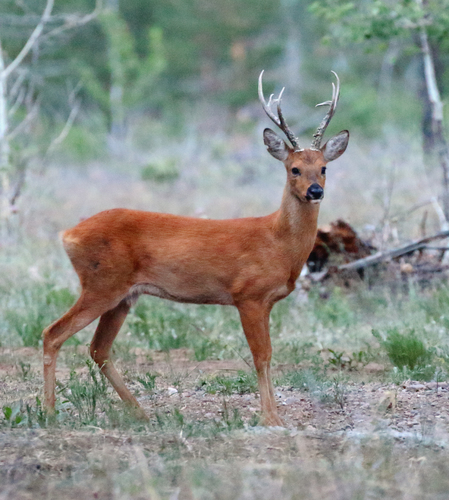
How to identify Capreolus pygargus (Pallas, 1771)

Capreolus pygargus (Pallas, 1771)

Capreolus pygargus (Pallas, 1771)

Capreolus pygargus, the Siberian roe deer, is a medium-sized deer native to temp…

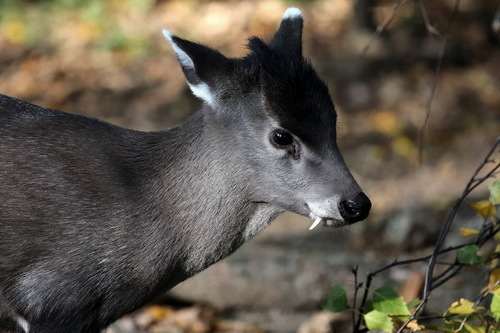
How to identify Elaphodus cephalophus Milne-Edwards, 1872

Elaphodus cephalophus Milne-Edwards, 1872

Elaphodus cephalophus Milne-Edwards, 1872

Elaphodus cephalophus, the tufted deer, is a small crepuscular deer native mostl…

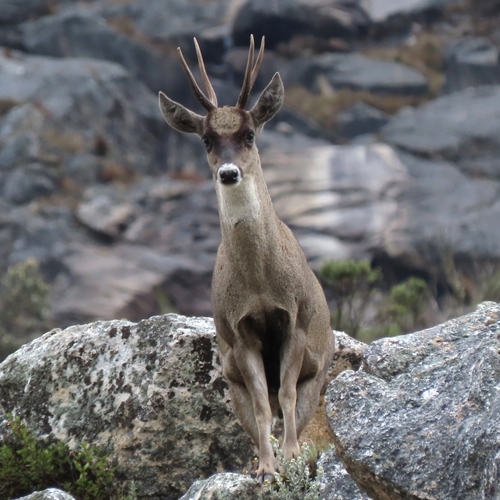
How to identify Hippocamelus antisensis (d'Orbigny, 1834)

Hippocamelus antisensis (d'Orbigny, 1834)

Hippocamelus antisensis (d'Orbigny, 1834)

Hippocamelus antisensis, the taruca, is a medium-sized Andean deer with distinct…

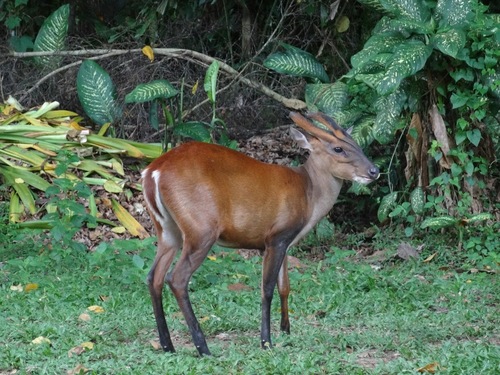
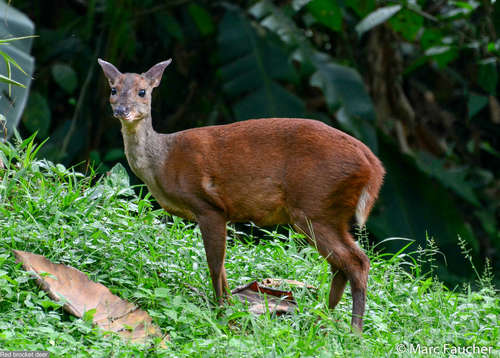
How to identify Muntiacus muntjak (Zimmermann, 1780)

Muntiacus muntjak (Zimmermann, 1780)

Muntiacus muntjak (Zimmermann, 1780)

Muntiacus muntjak, the southern red muntjac or barking deer, is a small deer nat…

How to identify Rucervus eldii (M'Clelland, 1842)

Rucervus eldii (M'Clelland, 1842)

Rucervus eldii (M'Clelland, 1842)

Eld's deer is an endangered deer species endemic to South and Southeast Asia wit…

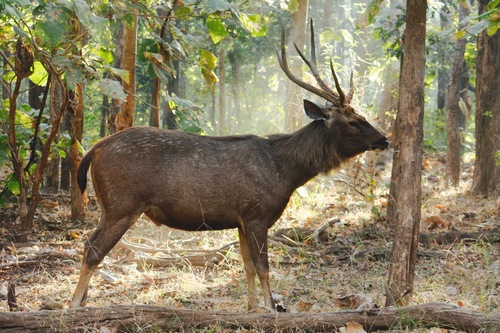
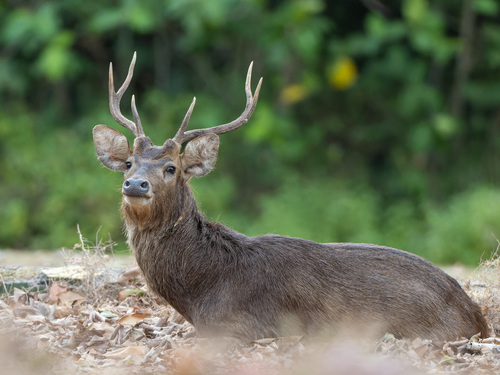
How to identify Rusa unicolor (Kerr, 1792)

Rusa unicolor (Kerr, 1792)

Rusa unicolor (Kerr, 1792)

Rusa unicolor, the sambar, is a large Asian deer species with variable size, spe…

How to identify Mazama temama (Kerr, 1792)

Mazama temama (Kerr, 1792)

Mazama temama (Kerr, 1792)

Mazama temama, the Central American red brocket, is a brocket deer species found…

How to identify Muntiacus reevesi (Ogilby, 1839)

Muntiacus reevesi (Ogilby, 1839)

Muntiacus reevesi (Ogilby, 1839)

Muntiacus reevesi, Reeves's muntjac, is a small deer native to China and Taiwan …

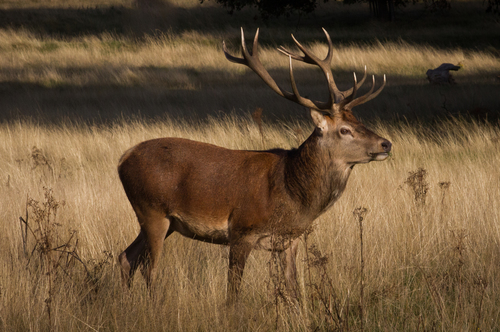
How to identify Cervus elaphus Linnaeus, 1758

Cervus elaphus Linnaeus, 1758

Cervus elaphus Linnaeus, 1758

Cervus elaphus (red deer) is the fourth-largest extant deer species, with size v…

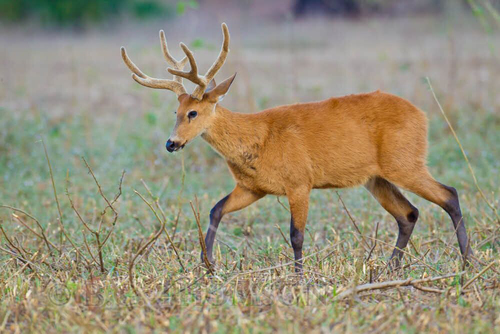
How to identify Blastocerus dichotomus (Illiger, 1815)

Blastocerus dichotomus (Illiger, 1815)

Blastocerus dichotomus (Illiger, 1815)

Marsh deer (Blastocerus dichotomus) is the largest living South American deer, n…

How to identify Rusa timorensis (Blainville, 1822)

Rusa timorensis (Blainville, 1822)

Rusa timorensis (Blainville, 1822)

Rusa timorensis, the Javan rusa, is a vulnerable native Indonesian deer species …

Browse all 30 Cervidae species →

Frequently Asked Questions

How do you identify Cervidae?

Cervidae animals belong to the Artiodactyla order in the Animalia kingdom. Males also have a distinctive black "face mask" that curves into an elongated heart shape, surrounding a brown forehead. For instant identification, use the iNature app — AI-powered and works offline.

What are the key characteristics of Cervidae?

Cervidae is classified in the order Artiodactyla, class Mammalia, phylum Chordata. The division of their original range led to the formation of two morphologically distinct subspecies: the Tian Shan roe deer and the Siberian roe deer.

Sources: GBIF, iNaturalist, Wikipedia · Disclaimer

Start Exploring Nature Today

Download iNature for free. 10 identifications on us. No account needed. No credit card required.

App Store
Scan to download from App Store

Scan with iPhone camera

Google Play
Scan to download from Google Play

Scan with Android camera