How to Identify Phalacrocoracidae

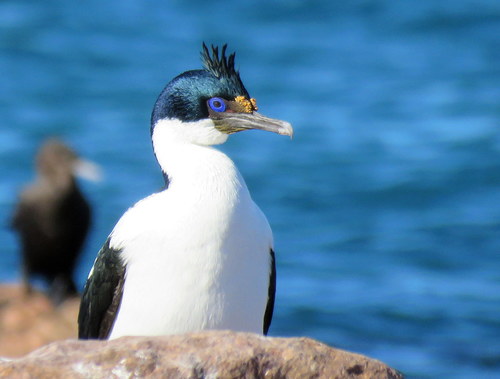
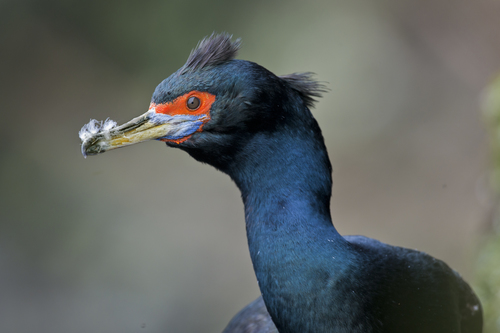
Phalacrocoracidae is a animal family in the Animalia kingdom, order Suliformes, class Aves. The family contains 34 accepted species worldwide.

Key Identification Features

For instant identification in the field, use the iNature app — AI-powered, works offline.
Representative Phalacrocoracidae Species

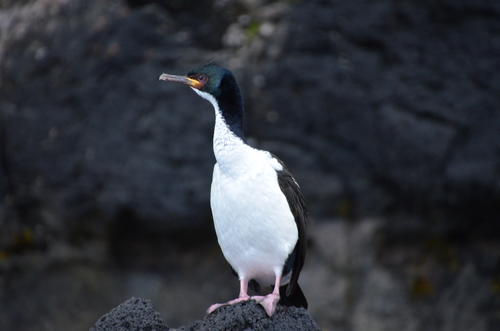
How to identify Phalacrocorax featherstoni Buller, 1873

Phalacrocorax featherstoni Buller, 1873

Phalacrocorax featherstoni Buller, 1873

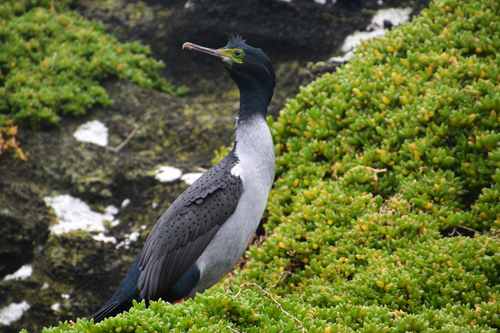
Phalacrocorax featherstoni, the Pitt shag, is a yellow-footed shag native to New…

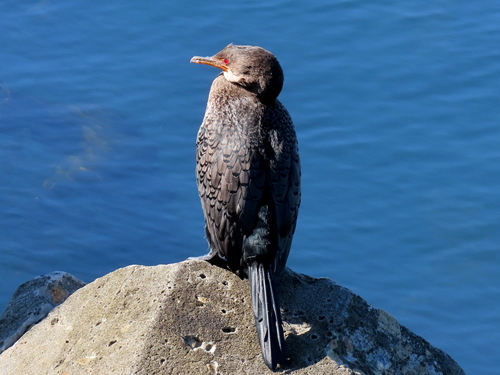
How to identify Microcarbo coronatus (Wahlberg, 1855)

Microcarbo coronatus (Wahlberg, 1855)

Microcarbo coronatus (Wahlberg, 1855)

Microcarbo coronatus, the crowned cormorant, is a small southern African coastal…

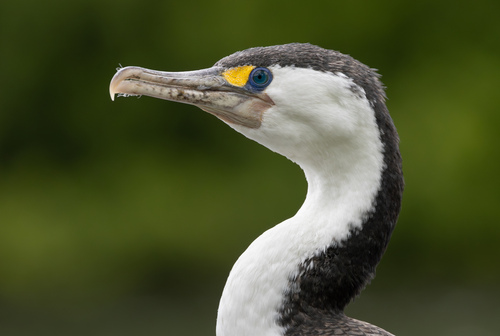
How to identify Phalacrocorax varius (Gmelin, 1789)

Phalacrocorax varius (Gmelin, 1789)

Phalacrocorax varius (Gmelin, 1789)

Phalacrocorax varius, the pied cormorant, is a medium-sized fish-eating seabird …

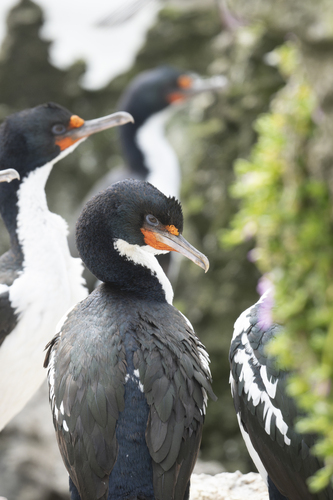
How to identify Leucocarbo onslowi (H.O.Forbes, 1893)

Leucocarbo onslowi (H.O.Forbes, 1893)

Leucocarbo onslowi (H.O.Forbes, 1893)

Leucocarbo onslowi, the Chatham Islands shag, is an endemic non-migratory seabir…

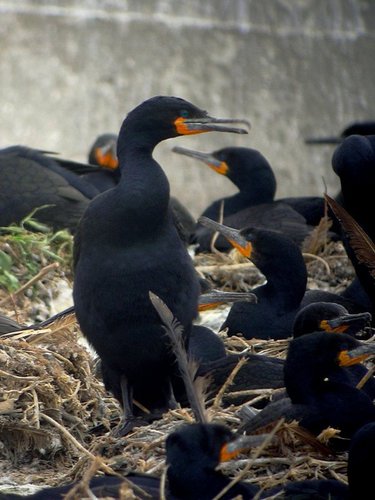
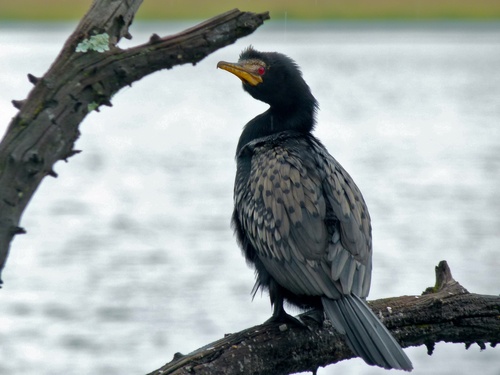
How to identify Phalacrocorax capensis (Sparrman, 1788)

Phalacrocorax capensis (Sparrman, 1788)

Phalacrocorax capensis (Sparrman, 1788)

Phalacrocorax capensis, the Cape cormorant, is a glossy blue-black coastal seabi…

How to identify Leucocarbo carunculatus (Gmelin, 1789)

Leucocarbo carunculatus (Gmelin, 1789)

Leucocarbo carunculatus (Gmelin, 1789)

Leucocarbo carunculatus is a large non-migratory New Zealand cormorant with an e…

How to identify Microcarbo africanus (Gmelin, 1789)

Microcarbo africanus (Gmelin, 1789)

Microcarbo africanus (Gmelin, 1789)

Microcarbo africanus is a small widespread non-threatened cormorant that breeds …

How to identify Leucocarbo colensoi (Buller, 1888)

Leucocarbo colensoi (Buller, 1888)

Leucocarbo colensoi (Buller, 1888)

Leucocarbo colensoi, the Auckland shag, is a vulnerable endemic New Zealand corm…

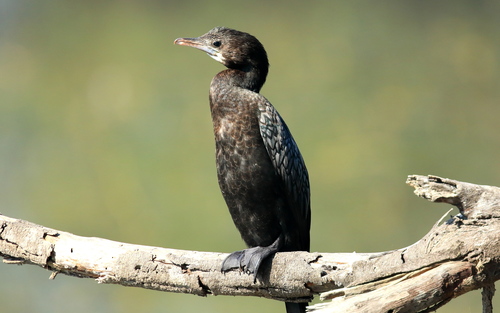
How to identify Microcarbo niger (Vieillot, 1817)

Microcarbo niger (Vieillot, 1817)

Microcarbo niger (Vieillot, 1817)

The little cormorant (Microcarbo niger) is a small waterbird found across South …

How to identify Phalacrocorax fuscicollis Stephens, 1826

Phalacrocorax fuscicollis Stephens, 1826

Phalacrocorax fuscicollis Stephens, 1826

Phalacrocorax fuscicollis is a medium-sized cormorant found in South and Southea…

How to identify Leucocarbo atriceps georgianus (Lonnberg, 1906)

Leucocarbo atriceps georgianus (Lonnberg, 1906)

Leucocarbo atriceps georgianus (Lonnberg, 1906)

Leucocarbo atriceps georgianus is a subspecies of imperial shag with distinct pl…

How to identify Phalacrocorax urile (Gmelin, 1789)

Phalacrocorax urile (Gmelin, 1789)

Phalacrocorax urile (Gmelin, 1789)

Phalacrocorax urile, the red-faced cormorant, is a sea bird identifiable by its …

Browse all 34 Phalacrocoracidae species →

Frequently Asked Questions

How do you identify Phalacrocoracidae?

Phalacrocoracidae animals belong to the Suliformes order in the Animalia kingdom. The Cape cormorant’s beak is dark grey-black, with a distinct deep yellow-orange gular pouch. For instant identification, use the iNature app — AI-powered and works offline.

What are the key characteristics of Phalacrocoracidae?

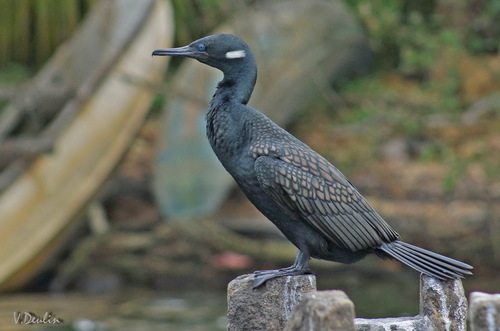
Phalacrocoracidae is classified in the order Suliformes, class Aves, phylum Chordata. The Indian cormorant can be distinguished by its narrower, longer bill that ends in a prominent hook tip, its blue iris, and a more pointed head profile.

Sources: GBIF, iNaturalist, Wikipedia · Disclaimer

Start Exploring Nature Today

Download iNature for free. 10 identifications on us. No account needed. No credit card required.

App Store
Scan to download from App Store

Scan with iPhone camera

Google Play
Scan to download from Google Play

Scan with Android camera