About Caprimulgus rufigena A.Smith, 1845
Taxonomy and Body Shape
The rufous-cheeked nightjar (Caprimulgus rufigena A.Smith, 1845) shares a similar typical nightjar body shape with the fiery-necked nightjar.
Size Measurements
This species measures 23–24 cm in length, with males weighing 48–65g and females weighing 46–66g.
Plumage and Colouration
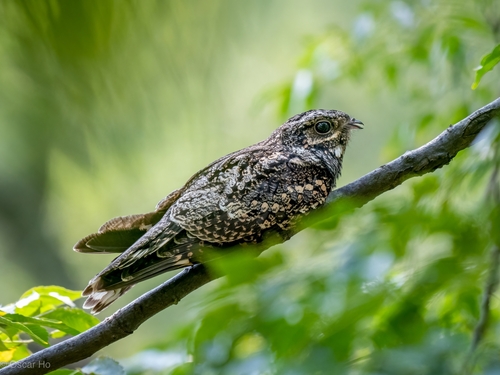
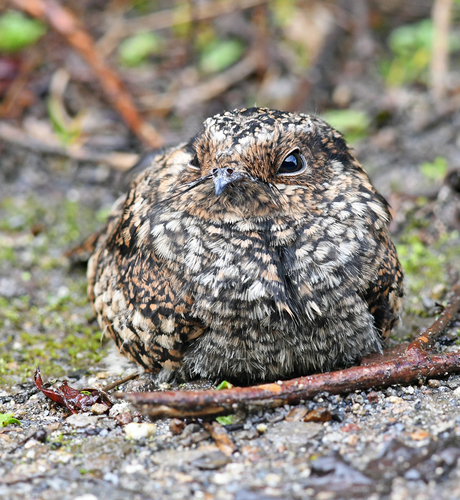
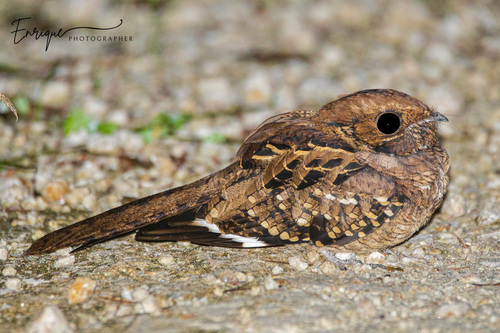
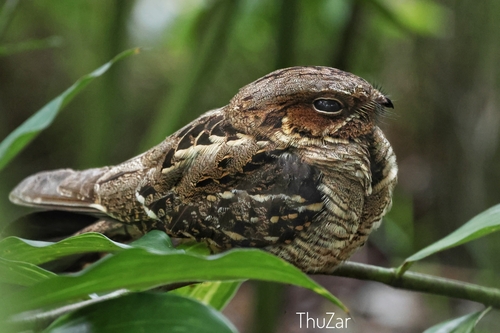
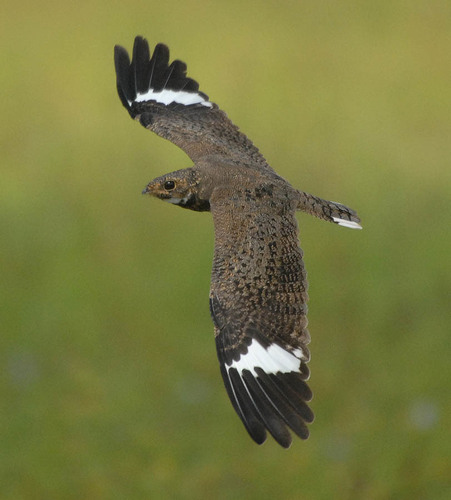
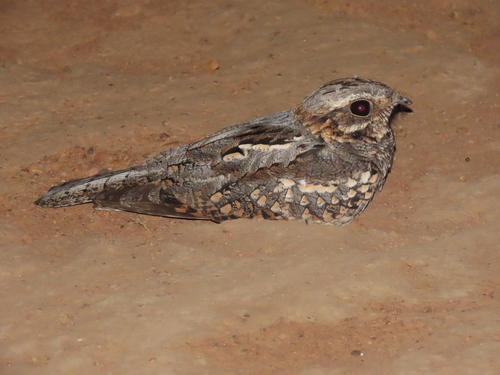
It is paler than the fiery-necked nightjar, has a dark brown body marked with rufous spots, and a less distinct rufous collar. Like most nightjars, it has a short, slightly curved black beak.
Sexual Dimorphism
Males have white markings on the primaries and tail corner, while these markings are buff in females. Compared to the fiery-necked nightjar, male rufous-cheeked nightjars have more white on the primaries and less white on the tail, while females have less buff colouring.
Camouflage Adaptations
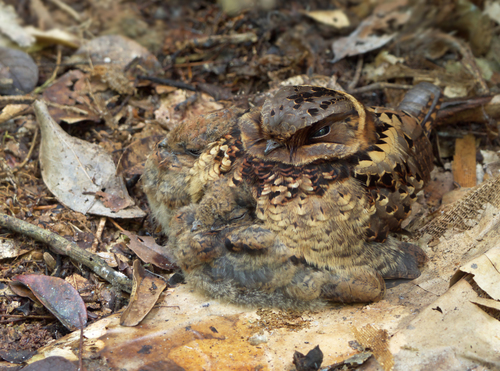
The species' colouration provides perfect camouflage against the ground of its preferred habitat. Juveniles have downy feathers that create a disruptive counter-shading pattern, making them even harder to detect.
Resident Range
Rufous-cheeked nightjars live year-round in Southern Africa, occurring in Angola, Zambia, Botswana, Mozambique, Namibia, Zimbabwe, and South Africa. They are absent from the east coast of Southern Africa, Natal, and western Namibia.
Non-Breeding Range
Their non-breeding range is mostly centered in Cameroon, but individuals have also been recorded in Nigeria, D.R.C, the Republic of the Congo, southern Chad, and the Darfur region of Sudan.
General Habitat
The species most often occupies wooded habitats including miombo woodland, wooded savanna, woodland edges, and woodland clearings. It can also be found in more open areas such as semi-arid acacia shrubland and semi-deserts.
Breeding Habitat Preferences
For breeding and nesting, rufous-cheeked nightjars prefer drier sites and avoid rivers, lakes, valleys, and moist areas. They may nest both inside and outside wooded areas; when nesting outside wooded areas, they favour bare sites, often those that have recently burned.
Hunting Activity Periods
The rufous-cheeked nightjar hunts primarily at dusk and early night, though it has also been observed hunting during moonlight and at dawn.
Diet Composition
It feeds mainly on beetles, but also consumes moths, grasshoppers, and other flying insects.
Hunting Efficiency
Nightjars are skilled hunters that can fill their stomachs during the short dusk period. They often leave their territory to hunt, even traveling to different habitats.
Hunting Locations
They hunt in open woodlands and at waterholes, where they can drink water while in flight; they also hunt along roadsides, where insects gather attracted to street lights.
Perch Hunting Tactic
They most often perch low to the ground to watch for prey, and once prey is spotted they leap toward it, snatch it, and return to land on their original perch. This is not their only hunting tactic: they will sometimes fly through the air to search for prey directly.
Prey Detection Adaptations
Their main method of locating prey relies on their large eyes, which are well-adapted for seeing in low light, though they cannot see in complete darkness.