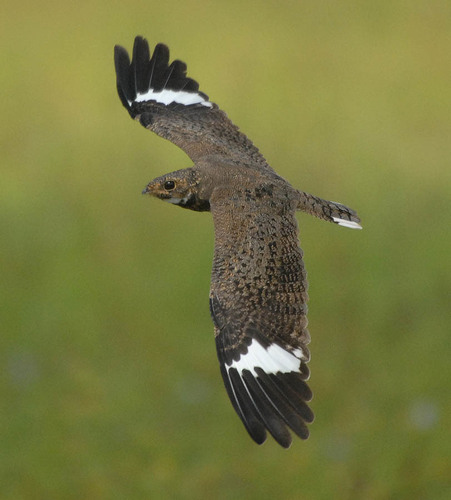
About Chordeiles nacunda (Vieillot, 1817)
Taxonomic Size Distinction
The nacunda nighthawk (Chordeiles nacunda) is not only the largest of the highly aerial nightjars classified as nighthawks, it is also the largest nightjar species in the Neotropics and one of the largest nightjar species in the world.
Body Length
Its body length ranges from 27.5 to 32 cm (10.8 to 12.6 in), which is somewhat shorter than that of the great eared-nightjar, the species typically considered the largest in the nightjar family.
Body Weight Comparison
However, the nacunda nighthawk may actually have a slightly higher average body weight.
Body Mass Measurements
Six measured nacunda nighthawk specimens had an average body mass of 159 g (5.6 oz), with a mass range of 130 to 188 g (4.6 to 6.6 oz).
Identification Features
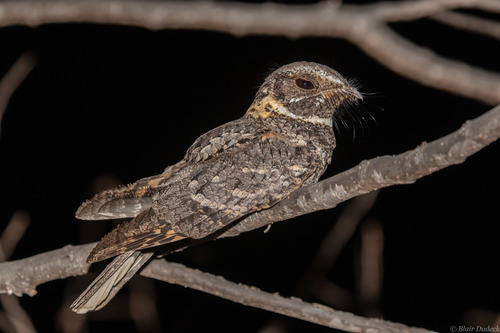
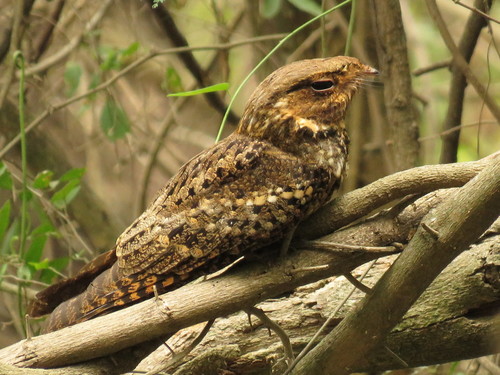
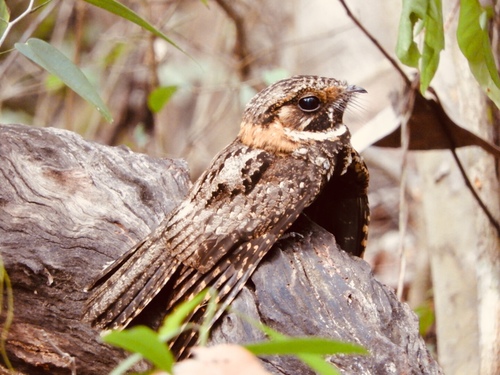
The nacunda nighthawk is easy to identify by its very large size, large head, pale body, and highly contrasting black primaries.
Activity Pattern
This species is notable for having partially diurnal activity habits.
Ground Behavior
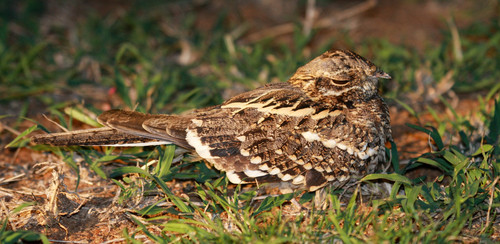
Although it is a capable aerial forager, the nacunda nighthawk spends a considerable amount of time on the ground.
Tarsus Characteristics
It has notably long tarsi for a nightjar, and is more likely than other nightjar species to be seen standing on the ground rather than resting flat against the ground surface.