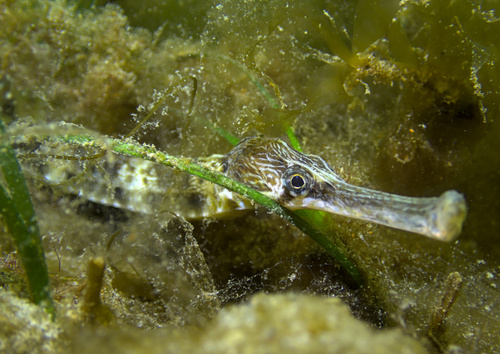
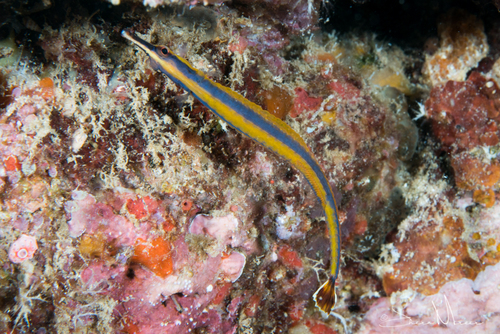
How to Identify Syngnathidae

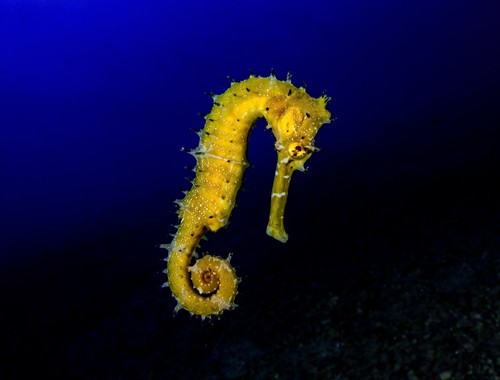
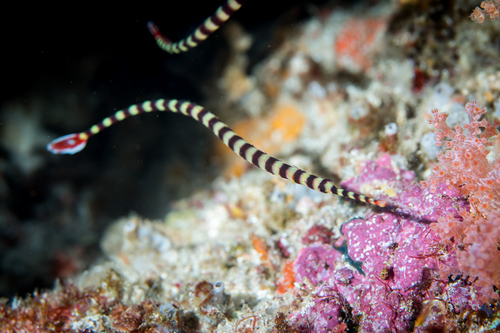
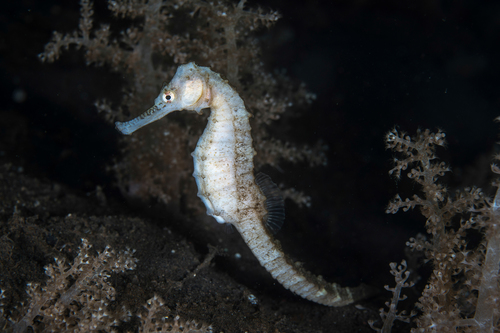
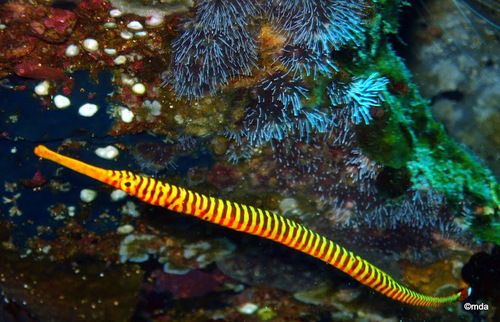
Syngnathidae is a animal family in the Animalia kingdom, order Syngnathiformes, class . The family contains 64 accepted species worldwide.

Key Identification Features

For instant identification in the field, use the iNature app — AI-powered, works offline.
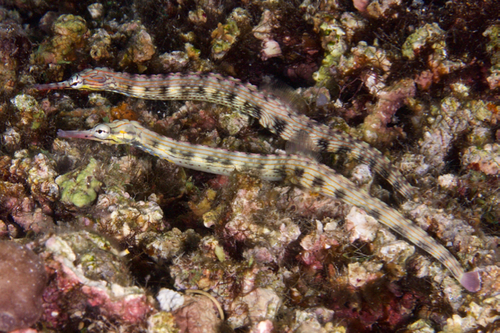
Representative Syngnathidae Species

How to identify Corythoichthys haematopterus (Bleeker, 1851)

Corythoichthys haematopterus (Bleeker, 1851)

Corythoichthys haematopterus (Bleeker, 1851)

Corythoichthys haematopterus (messmate pipefish) is a strictly monogamous pipefi…

How to identify Hippocampus bargibanti Whitley, 1970

Hippocampus bargibanti Whitley, 1970

Hippocampus bargibanti Whitley, 1970

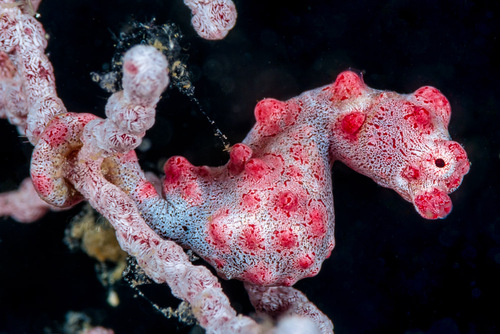
Bargibant's pygmy seahorse is a tiny, well-camouflaged seahorse that lives on go…

How to identify Syngnathus taenionotus Canestrini, 1871

Syngnathus taenionotus Canestrini, 1871

Syngnathus taenionotus Canestrini, 1871

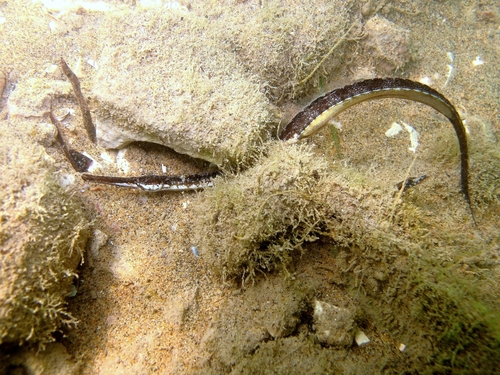
Darkflank pipefish (Syngnathus taenionotus) is a demersal ovoviviparous pipefish…

How to identify Syngnathus rostellatus Nilsson, 1855

Syngnathus rostellatus Nilsson, 1855

Syngnathus rostellatus Nilsson, 1855

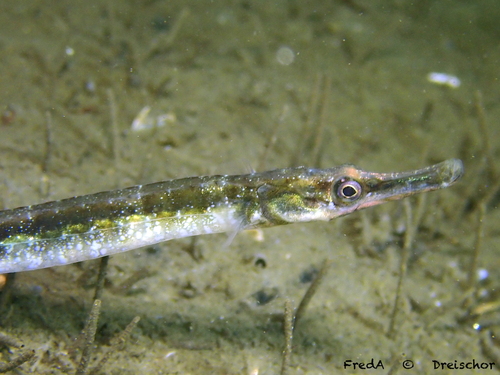
Syngnathus rostellatus, the lesser pipefish, is a small pipefish found mainly in…

How to identify Hippocampus subelongatus Castelnau, 1873

Hippocampus subelongatus Castelnau, 1873

Hippocampus subelongatus Castelnau, 1873

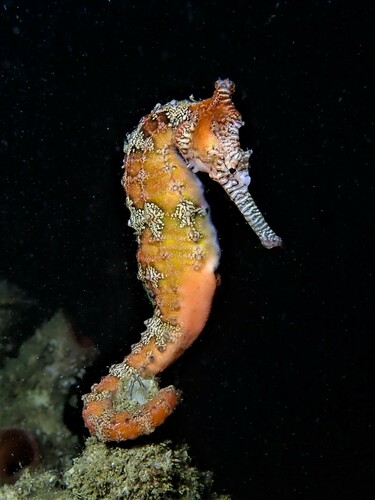
This is a summary of the endemic Australian fish species Hippocampus subelongatu…

How to identify Hippocampus jayakari Boulenger, 1900

Hippocampus jayakari Boulenger, 1900

Hippocampus jayakari Boulenger, 1900

Jayakar's seahorse (Hippocampus jayakari) is a Western Indian Ocean coastal syng…

How to identify Hippocampus spinosissimus Weber, 1913

Hippocampus spinosissimus Weber, 1913

Hippocampus spinosissimus Weber, 1913

Hippocampus spinosissimus Weber, 1913 is an ovoviviparous seahorse that lives in…

How to identify Dunckerocampus dactyliophorus (Bleeker, 1853)

Dunckerocampus dactyliophorus (Bleeker, 1853)

Dunckerocampus dactyliophorus (Bleeker, 1853)

Dunckerocampus dactyliophorus, the banded pipefish, is an Indo-Pacific pipefish …

How to identify Hippocampus trimaculatus Leach, 1814

Hippocampus trimaculatus Leach, 1814

Hippocampus trimaculatus Leach, 1814

Hippocampus trimaculatus is a vulnerable seahorse found in Asian and Australian …

How to identify Dunckerocampus pessuliferus Fowler, 1938

Dunckerocampus pessuliferus Fowler, 1938

Dunckerocampus pessuliferus Fowler, 1938

Dunckerocampus pessuliferus, the yellowbanded pipefish, is a Coral Triangle mari…

How to identify Syngnathus acus Linnaeus, 1758

Syngnathus acus Linnaeus, 1758

Syngnathus acus Linnaeus, 1758

Syngnathus acus, the greater pipefish, is a rigid, long-bodied fish found around…

How to identify Doryrhamphus excisus Kaup, 1856

Doryrhamphus excisus Kaup, 1856

Doryrhamphus excisus Kaup, 1856

Doryrhamphus excisus is a small pipefish species with distinct coloration, found…

Browse all 64 Syngnathidae species →

Frequently Asked Questions

How do you identify Syngnathidae?

Syngnathidae animals belong to the Syngnathiformes order in the Animalia kingdom. Other distinctive characteristics of this pygmy seahorse include a fleshy head and body, a very short snout, and a long prehensile tail. For instant identification, use the iNature app — AI-powered and works offline.

What are the key characteristics of Syngnathidae?

Syngnathidae is classified in the order Syngnathiformes, class , phylum Chordata. A key distinguishing feature of the lesser pipefish is a continuous black line running from the gills along the belly down to the tail, though this line is not very visible on very young specimens.

Sources: GBIF, iNaturalist, Wikipedia · Disclaimer

Start Exploring Nature Today

Download iNature for free. 10 identifications on us. No account needed. No credit card required.

App Store
Scan to download from App Store

Scan with iPhone camera

Google Play
Scan to download from Google Play

Scan with Android camera