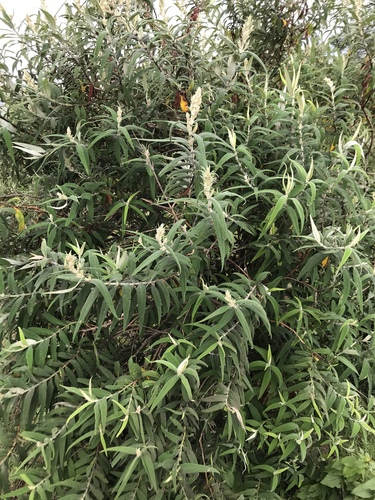
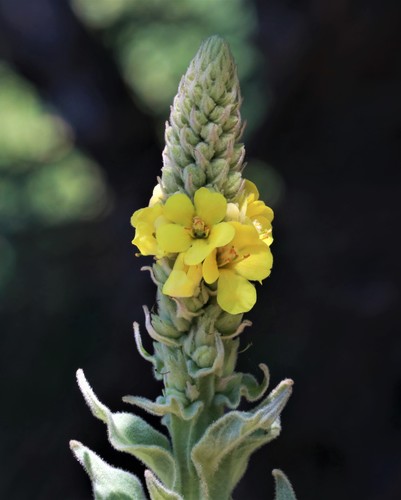
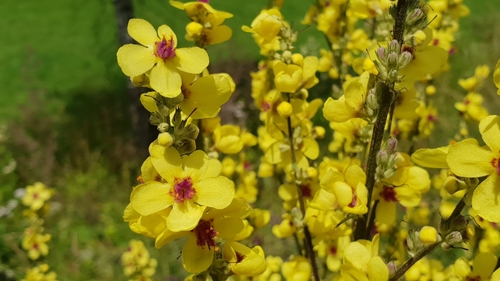
How to Identify Scrophulariaceae

Scrophulariaceae is a plant family in the Plantae kingdom, order Lamiales, class Magnoliopsida. The family contains 210 accepted species worldwide. Some species in this family are toxic — exercise caution when handling unknown specimens.

Key Identification Features

For instant identification in the field, use the iNature app — AI-powered, works offline.
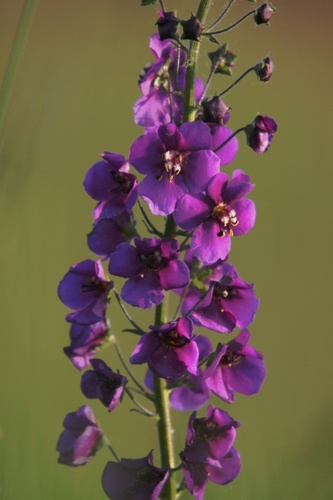
Representative Scrophulariaceae Species

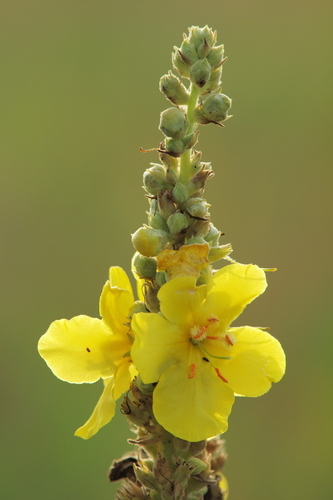
How to identify Verbascum phoeniceum L.

Verbascum phoeniceum L.

Verbascum phoeniceum L.

Verbascum phoeniceum is a short perennial dicot mullein cultivated as an ornamen…

How to identify Verbascum phlomoides L.

Verbascum phlomoides L.

Verbascum phlomoides L.

Verbascum phlomoides is a Scrophulariaceae species native to Europe and Asia Min…

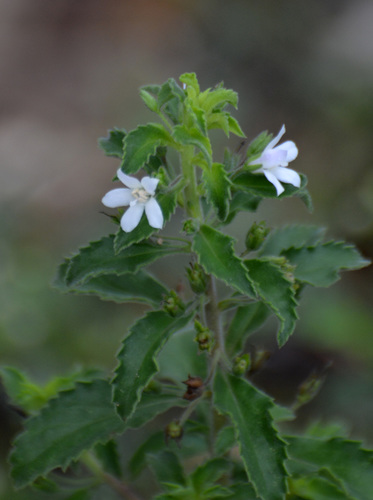
How to identify Capraria biflora L.

Capraria biflora L.

Capraria biflora L.

Wijnands and some other authors treated van Royen material (L) as the lectotype …

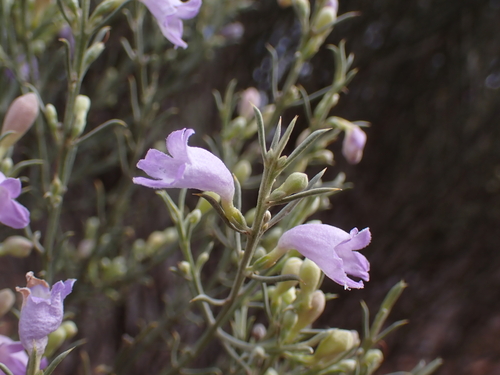
How to identify Eremophila scoparia (R.Br.) F.Muell.

Eremophila scoparia (R.Br.) F.Muell.

Eremophila scoparia (R.Br.) F.Muell.

Eremophila scoparia (silver emu bush) is an Australian shrub widely grown in hor…

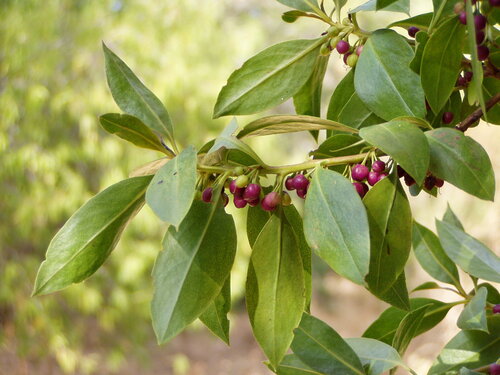
How to identify Myoporum laetum G.Forst.

Myoporum laetum G.Forst.

Myoporum laetum G.Forst.

Myoporum laetum, or ngaio, is a New Zealand evergreen tree that contains a liver…

⚠️ Poisonous
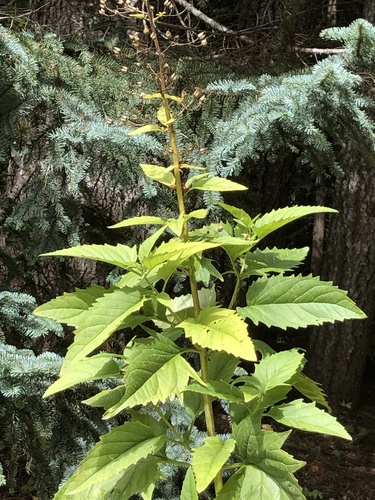
How to identify Scrophularia nodosa L.

Scrophularia nodosa L.

Scrophularia nodosa L.

Scrophularia nodosa L. is a perennial herbaceous common figwort growing across m…

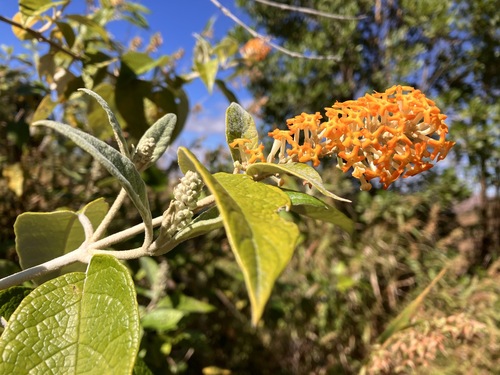
How to identify Buddleja madagascariensis Lam.

Buddleja madagascariensis Lam.

Buddleja madagascariensis Lam.

Buddleja madagascariensis is a Madagascar endemic ornamental shrub, grown in war…

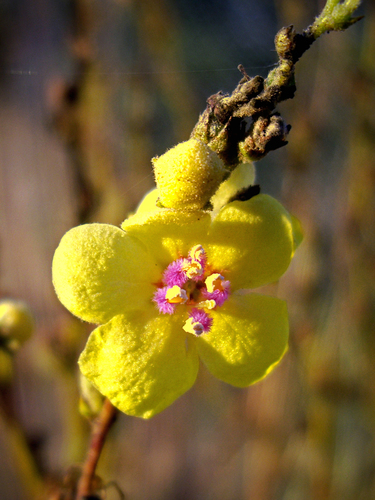
How to identify Verbascum sinuatum L.

Verbascum sinuatum L.

Verbascum sinuatum L.

Verbascum sinuatum L. (Scallop-leaved mullein) is a Irano-Mediterranean flowerin…

How to identify Buddleja tucumanensis Griseb.

Buddleja tucumanensis Griseb.

Buddleja tucumanensis Griseb.

Buddleja tucumanensis is a dioecious Argentinian shrub with distinct lower and u…

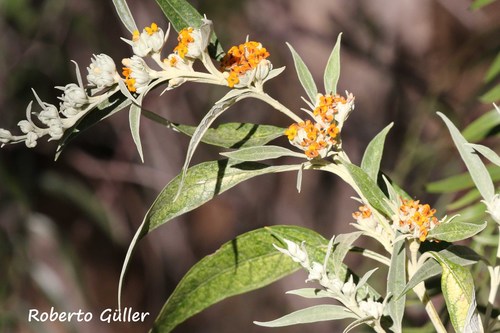
How to identify Buddleja salviifolia (L.) Lam.

Buddleja salviifolia (L.) Lam.

Buddleja salviifolia (L.) Lam.

Buddleja salviifolia is a large semi-evergreen shrub valued for its scented flow…

How to identify Verbascum thapsus L.

Verbascum thapsus L.

Verbascum thapsus L.

Verbascum thapsus, or great mullein, is a weedy biennial plant native to Eurasia…

⚠️ Poisonous
How to identify Verbascum nigrum L.

Verbascum nigrum L.

Verbascum nigrum L.

Verbascum nigrum (black or dark mullein) is a herbaceous mullein native to tempe…

Browse all 210 Scrophulariaceae species →

Frequently Asked Questions

How do you identify Scrophulariaceae?

Scrophulariaceae plants belong to the Lamiales order in the Plantae kingdom. Its branches and leaves are covered in yellowish or silvery-grey scaly hairs, though individual scales are indistinct, so the plant’s surface may appear glabrous. For instant identification, use the iNature app — AI-powered and works offline.

What are the key characteristics of Scrophulariaceae?

Scrophulariaceae is classified in the order Lamiales, class Magnoliopsida, phylum Tracheophyta. The species' distinctive leaves have rugose upper surfaces, and resemble the leaves of sage, which is the source of its specific epithet.

⚠️ Are any Scrophulariaceae species poisonous?

Yes, some Scrophulariaceae species are toxic or poisonous. Always exercise caution with unknown specimens. View poisonous Scrophulariaceae species or browse the full poisonous species guide.

Sources: GBIF, iNaturalist, Wikipedia · Disclaimer

Start Exploring Nature Today

Download iNature for free. 10 identifications on us. No account needed. No credit card required.

Download Free on App Store