About Buddleja salviifolia (L.) Lam.
Species and Growth Habit
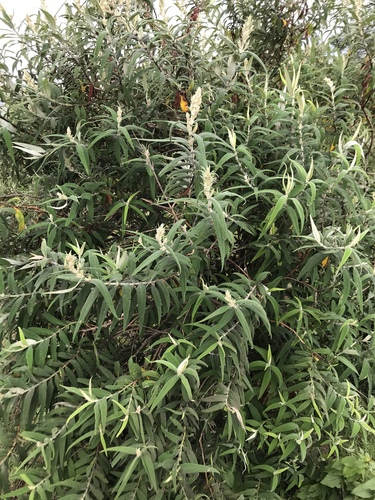
Buddleja salviifolia (L.) Lam. is a large, multi-stemmed, semi-evergreen shrub with untidy, drooping branches that typically grows to a height of 4 to 8 meters.
Bark Characteristics
Its bark is grey-brown and stringy.
Shoot Morphology
Shoots are quadrangular in cross-section, and covered in a dense reddish-brown indumentum.
Leaf Naming Origin
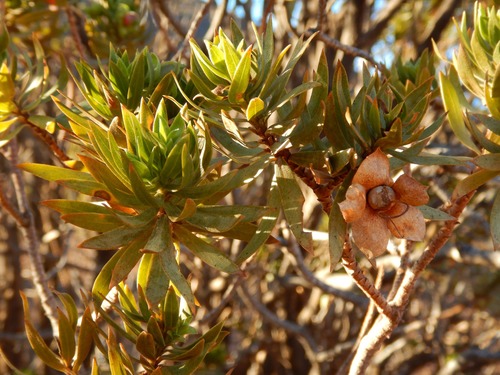
The species' distinctive leaves have rugose upper surfaces, and resemble the leaves of sage, which is the source of its specific epithet.
Leaf Morphology
Leaves are sessile to shortly petiolate, with a narrowly ovate to narrowly oblong blade, ending in a long acuminate to acute apex, and have a cordate base.
Inflorescence Structure
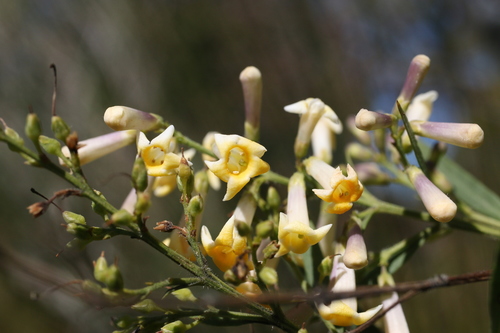
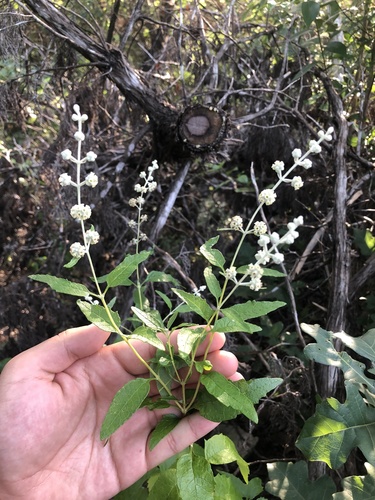
Inflorescences are terminal conical panicles measuring approximately 12 × 8 cm, and occasional auxiliary heads appear in autumn.
Flower Appearance
Flower colors range from white, through cream and mauve, to purple; corollas are relatively short, at just 4 mm long.
Flower Scent
The most notable feature of the flowers is their scent, which some consider the best among all buddlejas, and even comparable to Chanel perfume.
Hardiness Rating
This species is hardy to USDA zone 8.
Cultivation Prevalence
It is relatively common in cultivation.
Cultivation Suitability
Moderately frost hardy and tolerant of dry soils, it is grown in the United Kingdom, but its large size and ungainly growth habit, following the unfavorable 'bent hatstand' tradition of many buddlejas, mean it is only a suitable choice for larger gardens.
Collection Specimens
Several specimens are part of the NCCPG national collection held by Longstock Park Nursery, near Stockbridge in Hampshire.
Mislabeling Occurrence
Occasionally, it is mislabeled as Buddleja myriantha (a dissimilar Chinese species) in the UK and France.
Medicinal Use
In its native regions, decoctions made from this plant are believed to have various medicinal benefits.
Wood Use
The hard, heavy wood of Buddleja salviifolia has traditionally been used to make assegais and fishing rods.
Additional Uses
Additionally, the plant is used for fuel and hedging.