Key Identification Features
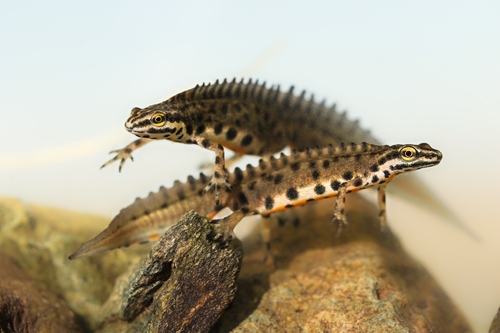
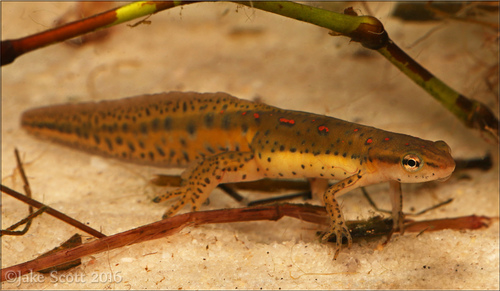
- Males also have a distinctive bluish-white stripe running along the tail during breeding season.
- These newts typically inhabit cool, standing bodies of water, and are often found in human-made features including rice paddies, roadside ditches, and cattle waterholes.
- The species has a distinct, striking bright orange land-dwelling juvenile stage called a red eft.
- This difference may be linked to their distinct roles in reproduction, as males are typically more active during courtship, while females spend more time on land preparing to lay eggs.
For instant identification in the field, use the iNature app — AI-powered, works offline.