Key Identification Features
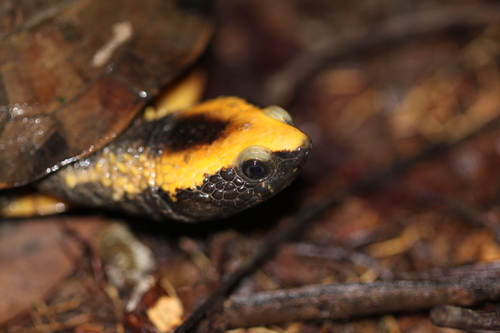
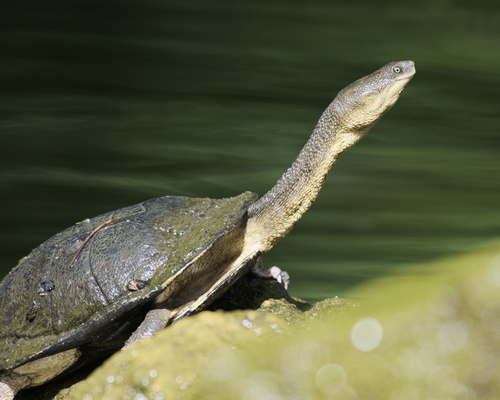
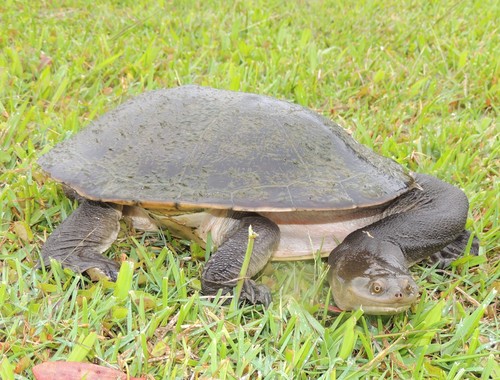
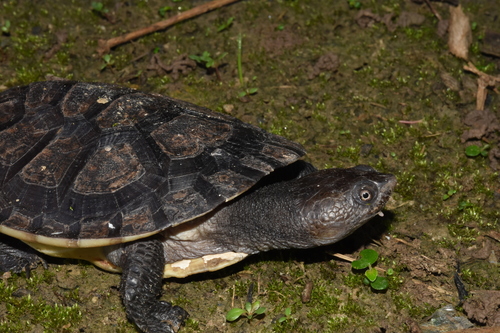
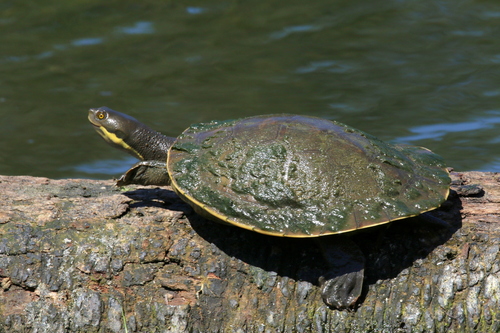
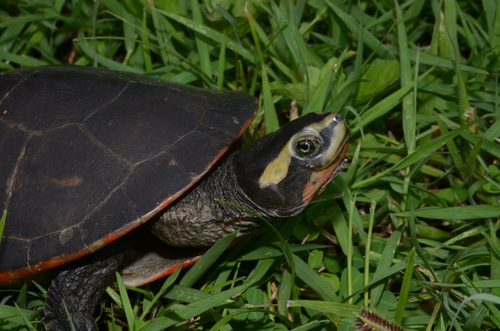
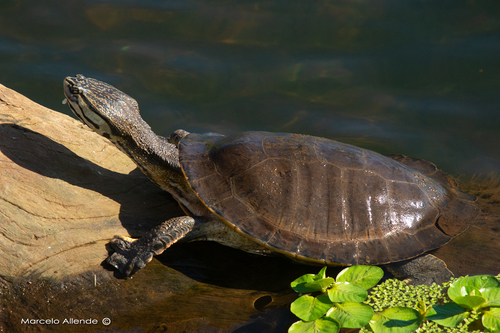
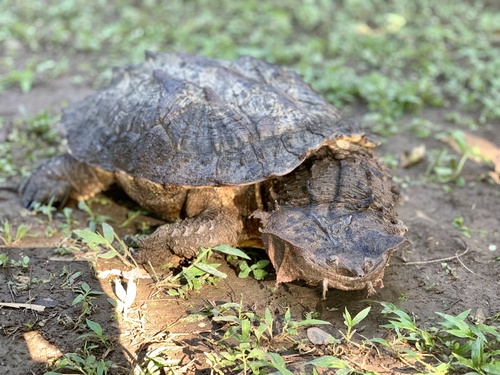
- This species has a strongly keeled carapace, and can be recognized by distinct black and yellowish markings along its head and neck.
- The upper carapace ranges from rich brown to blackish-brown, and usually has fine dark flecks or reticulations; the belly is whitish or cream-coloured.
- This species is found throughout the Murray-Darling basin of southeastern Australia, and also has several distinct populations across central and coastal Queensland.
- They use a distinctive 'body-slamming' behaviour to compact the nest, which forms a hardened plug that helps seal the nest.
For instant identification in the field, use the iNature app — AI-powered, works offline.