About Trachinotus carolinus (Linnaeus, 1766)
Pompano Taxonomy Overview
Several types of pompano exist, including African, Cayenne, and Florida pompano. Florida pompano (Trachinotus carolinus) belongs to the jack family, and is very similar to permit (Trachinotus falcatus).
Tail and Body Coloration
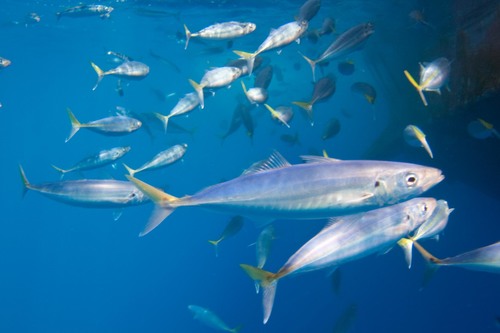
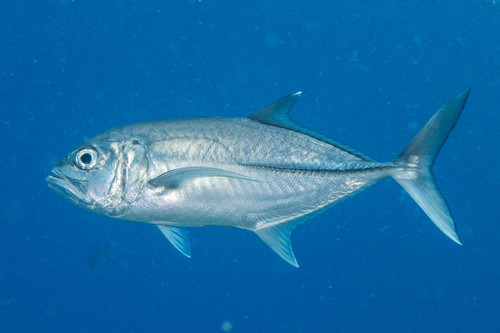
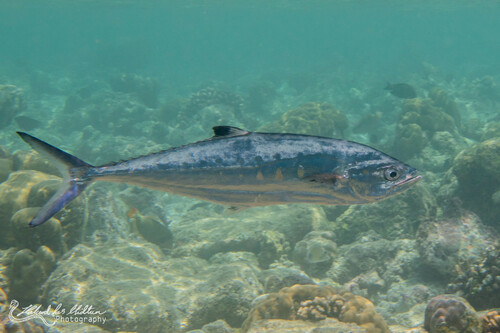
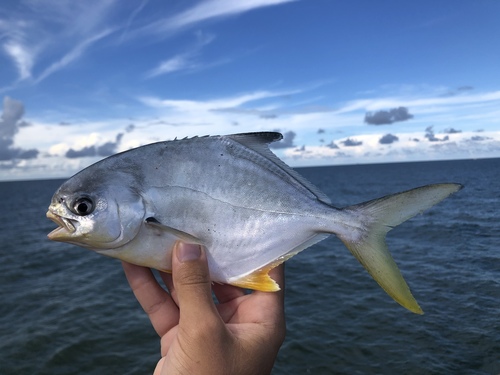
This fish species has a deeply forked tail, with blue-greenish silver body coloration and yellow coloring on the throat, belly, and pelvic and anal fins.
Dorsal Fin Structure
Its first dorsal fins are low, with approximately six separate spines; the first spine may be reabsorbed in larger individuals. The second lobes of the dorsal and anal fins have a lower anterior section, and the species has 20-24 anal fin rays.
Body and Snout Shape
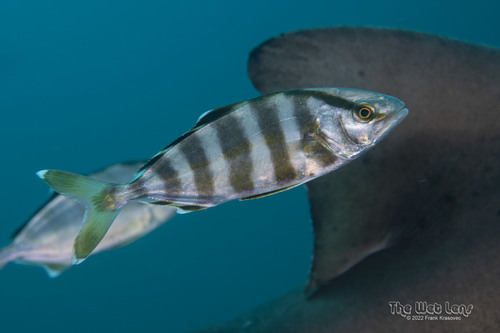
Florida pompano have compressed, deep bodies and blunt snouts.
Adult Habitat Temperature Range
Adult Florida pompano typically inhabit higher-salinity, relatively warm waters between 70 and 89 °F. They migrate northward in summer and southward in fall.
Geographical Range
Despite the common name, the species' range extends from Massachusetts to Brazil, though it is most common in waters near Florida.
Seasonal Distribution Locations
In summer, it can be found near Sebastian, Cape Hatteras, and the Gulf of Mexico. In winter, it is more common near oil rigs, Palm Beach, and Hobe Sound. It can also be found near the Virgin Islands year-round.
Preferred Habitat
Its preferred habitat is surf flats, and it tends to avoid clear water regions such as the Bahamas.
Swimming and Schooling Behavior
Florida pompano are very fast swimmers that live in schools.
Feeding Habits and Diet
They are bottom feeders with very short teeth, and feed on zoobenthos and small clams.
Culinary Popularity
Florida pompano is a popular food fish. Chefs favor it for its evenly thick fillets, which make cooking easier.
Traditional Pompano Dish
A popular dish originating in New Orleans called "pompano en papillote" is made by steaming the fish wrapped in parchment paper alongside a white sauce of wine, shrimp, and crabmeat.
Flesh Characteristics
The flesh of Florida pompano is oily, white and opaque in appearance. The species' natural diet gives the flesh a rich but mild flavor.
Market Price
Fresh Florida pompano fillets can cost $17 or more.
Aquaculture Rationale
Consumer demand has led to the use of aquaculture to increase the supply of this fish.