About Butorides striata (Linnaeus, 1758)
Size Measurements
The striated heron (Butorides striata) measures 35–48 cm (14–19 in) in length, weighs 130–250 g (4.6–8.8 oz), and has a wingspan of 52–60 cm (20–24 in). Males and females have identical appearance.
Adult Plumage Variation
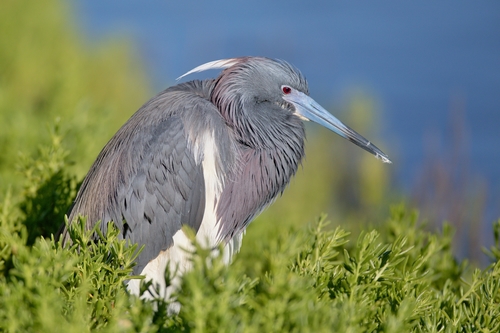
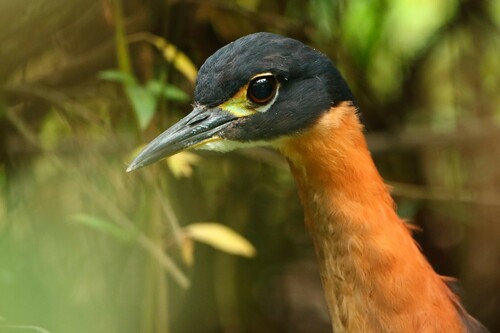
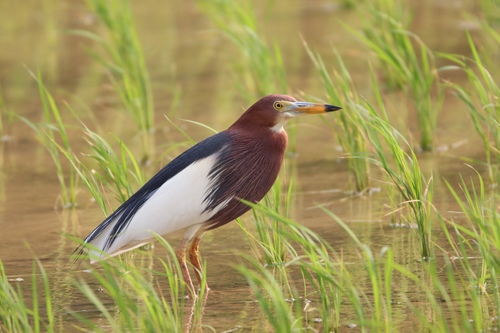
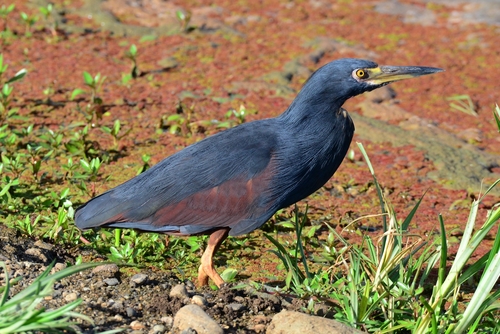
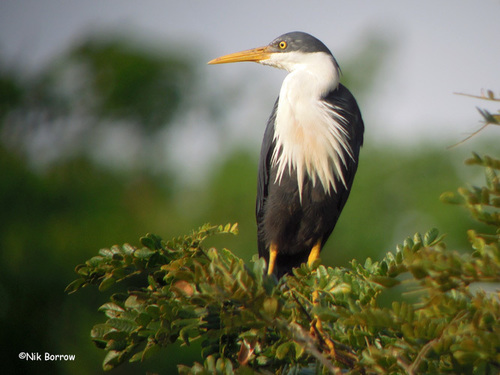
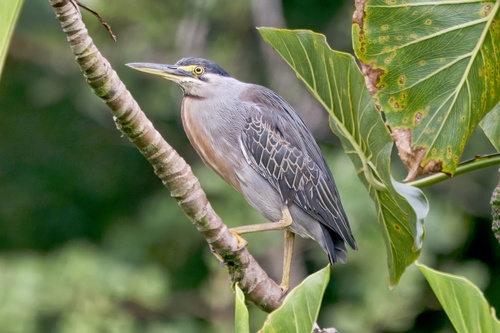
The underpart plumage of this species is variable, ranging from mid grey to pinkish-purple or orange tones. Adult striated herons have blue-grey backs and wings, white underparts, a black cap, a dark line that runs from the bill to under the eye, and short yellow legs.
Juvenile Plumage
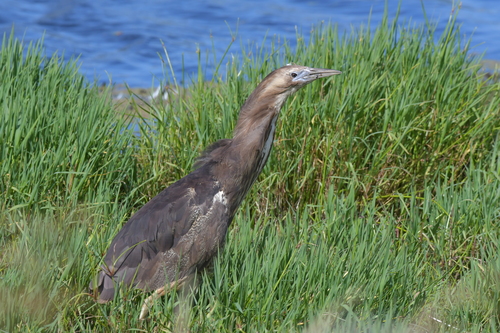
Juveniles are browner on their upper bodies and have heavy streaking on their underparts.
Geographic Range
This species is widespread across tropical and warm temperate regions of South America, ranging from central and southeastern Panama south to Río Negro Province in Argentina.
Habitat Preferences
It is generally a lowland bird that inhabits marshes, lakes, and rivers; in Peru it occurs up to an altitude of 800 m, and avoids the Andes mountains.
Range Overlap with Green Heron
In Trinidad and Tobago and central Panama, its range overlaps slightly with the closely related green heron, and the two species hybridize.
Hybrid Characteristics
Hybrids have characteristics intermediate between the two parent species, and typically have much more purple-red coloration on the underparts than standard striated herons.
Foraging Behavior
When foraging, striated herons stand motionless at the edge of water to ambush prey, and are easier to spot than many other small heron species. Their diet consists mainly of small fish, frogs, and aquatic insects.
Bait Fishing Behavior
They occasionally use bait to attract prey, carefully dropping a feather or leaf onto the water surface and catching fish that come to investigate the object.