About Abrothrix olivaceus (Waterhouse, 1837)
Scientific Name and Size
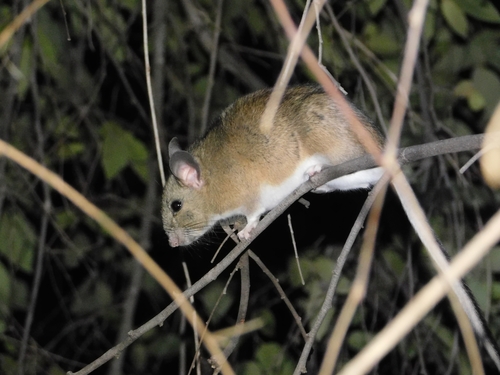
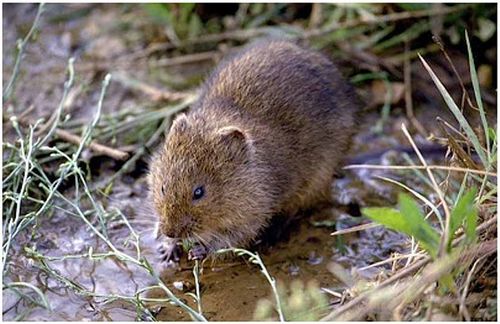
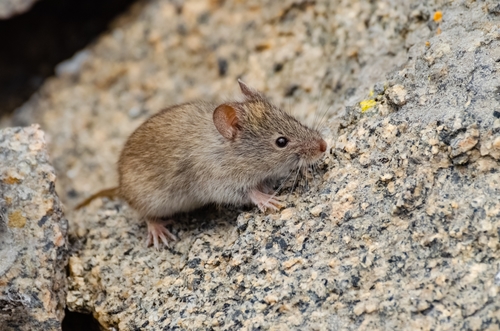
The olive grass mouse (Abrothrix olivaceus) is a small rodent with a total length of approximately 17 cm (6.7 in).
Coloration
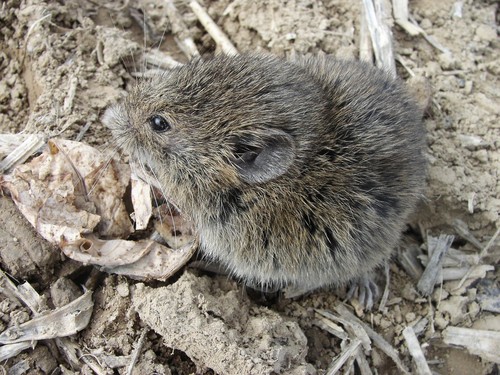
Its upper body is greyish-brown, sometimes showing a slight yellowish tint around the snout, while its underparts range from pale to mid-grey.
Geographic Range
This species is distributed across northern and central Chile, the westernmost fringes of Argentina, southern Chile, and Patagonia; this range includes larger offshore islands and the islands of Tierra del Fuego.
Southernmost Mammal Status
Because it occurs on Hornos Island, it is recognized as the southernmost land mammal in the world.
Habitat Variation
Its habitat varies across its range: in Patagonia it lives in arid bushy steppes; further north it occurs in forests of Nothofagus, Saxegothaea, and bamboo; and in other areas it can be found in tussocky grassland, marshes, and wet meadows.
Activity Pattern
The olive grass mouse is mostly diurnal.
Nesting and Runways
In grassy habitats, it constructs runways and builds grass nests in grass tussocks, among plant roots, or under rocks.
Locomotion and Burrow Use
It is capable of both climbing and digging, and in Chile it sometimes uses burrows dug by other mammals such as the coruro (Spalacopus cyanus).
Diet
Its diet consists of berries, seeds, shoots, leaves, fungi, and small invertebrates.
Breeding Traits
It breeds during spring and summer, and average litter size is five young.
Population Fluctuation Triggers
Under favorable conditions, including El Niño years, its populations can increase dramatically.
Population Outbreaks
Outbreaks of this species sometimes happen.
Predators
This mouse is preyed upon by barn owls (Tyto tyto), lesser horned owls (Bubo magellanicus), various other birds, and foxes.
Parasite Host Role
It also acts as a host for the acanthocephalan intestinal parasite Moniliformis amini.
1990 Bamboo Seeding Event
In 1990, the bamboo species Chusquea valdiviensis experienced a mass seeding event across over a million hectares of this bamboo in southern Chile, where all plants flowered at the same time and then died.
Post-Seeding Rodent Population Changes
The huge volume of seeds produced was followed by a large population increase of the rice rat Oligoryzomys longicaudatus, and a smaller population increase of the olive grass mouse.
Causes of Population Increases
These rodent population increases are caused by greater fecundity, higher juvenile survival rates, and an extended breeding season.
Multi-Year Population Peaks
Because many bamboo seeds remained inside the flowering spikelets for a full year, additional rodent population peaks took place in subsequent years.