How to Identify Viperidae

Viperidae is a animal family in the Animalia kingdom, order , class Squamata. The family contains 160 accepted species worldwide.

Key Identification Features

For instant identification in the field, use the iNature app — AI-powered, works offline.
Representative Viperidae Species

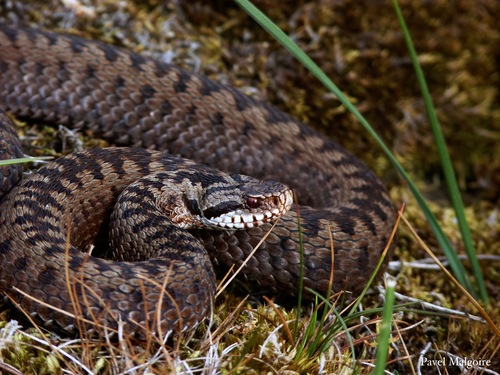
How to identify Vipera berus (Linnaeus, 1758)

Vipera berus (Linnaeus, 1758)

Vipera berus (Linnaeus, 1758)

This is a detailed description of the Eurasian viper Vipera berus, covering its …

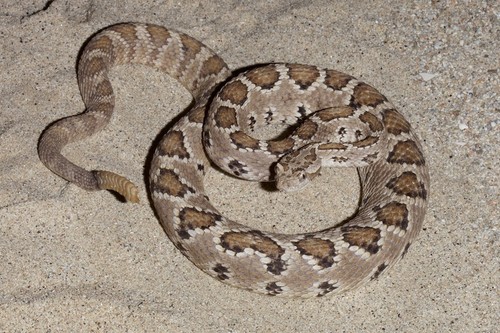
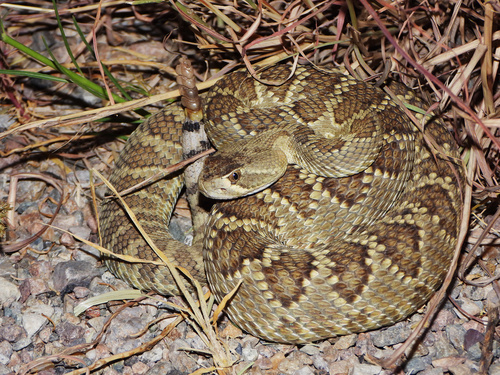
How to identify Crotalus enyo Cope, 1861

Crotalus enyo Cope, 1861

Crotalus enyo Cope, 1861

Crotalus enyo is a small-headed rattlesnake found in Baja California and surroun…

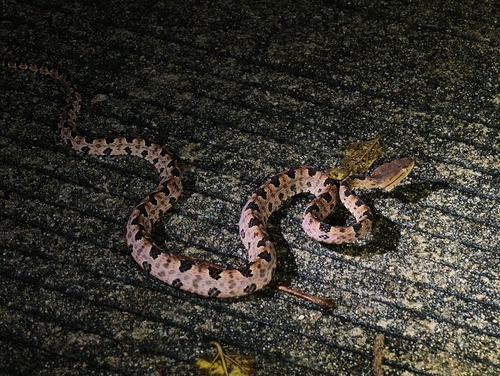
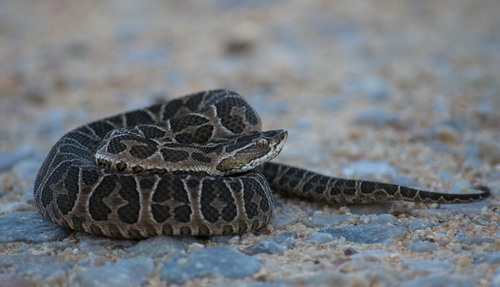
How to identify Protobothrops mucrosquamatus (Cantor, 1839)

Protobothrops mucrosquamatus (Cantor, 1839)

Protobothrops mucrosquamatus (Cantor, 1839)

Protobothrops mucrosquamatus is a venomous pit viper species native to South and…

How to identify Trimeresurus gracilis Oshima, 1920

Trimeresurus gracilis Oshima, 1920

Trimeresurus gracilis Oshima, 1920

Trimeresurus gracilis is a small venomous pit viper endemic to high elevations o…

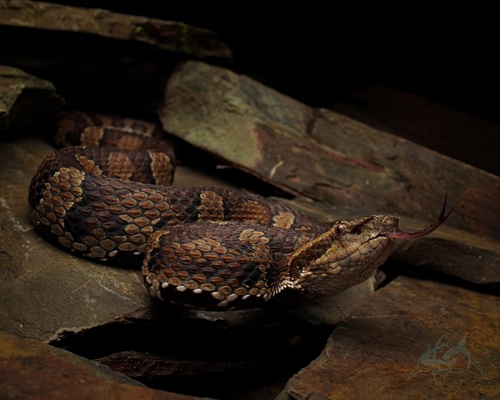
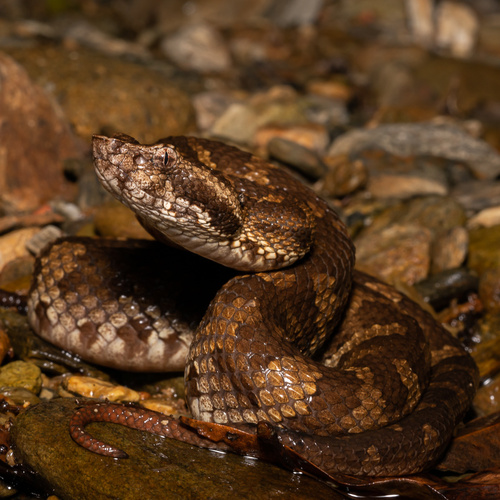
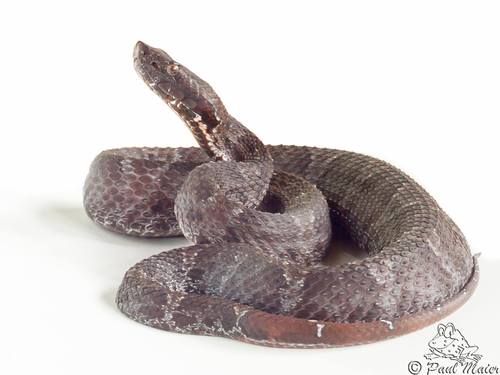
How to identify Ovophis okinavensis (Boulenger, 1892)

Ovophis okinavensis (Boulenger, 1892)

Ovophis okinavensis (Boulenger, 1892)

Ovophis okinavensis is a Japanese pitviper found in the Ryukyu Islands that can …

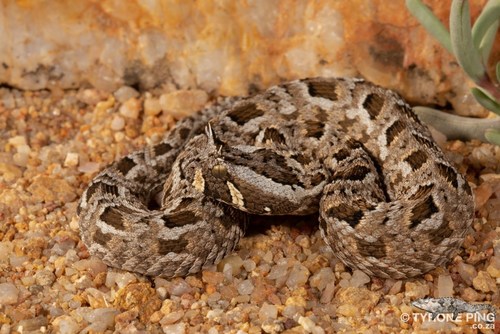
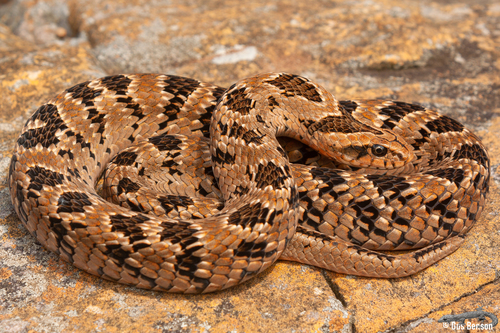
How to identify Bitis cornuta (Daudin, 1803)

Bitis cornuta (Daudin, 1803)

Bitis cornuta (Daudin, 1803)

Bitis cornuta, the many-horned adder, is a small stout viper with horn-like scal…

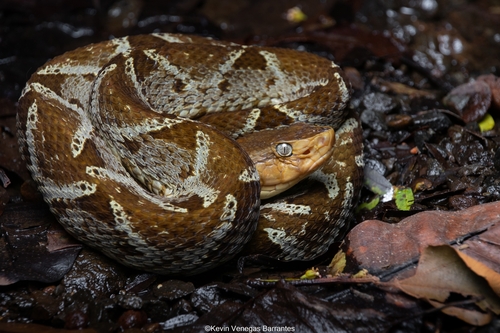
How to identify Bothrops asper (Garman, 1883)

Bothrops asper (Garman, 1883)

Bothrops asper (Garman, 1883)

Bothrops asper is a highly sexually dimorphic pit viper widespread across lowlan…

How to identify Bothrocophias campbelli (Freire-Lascano, 1991)

Bothrocophias campbelli (Freire-Lascano, 1991)

Bothrocophias campbelli (Freire-Lascano, 1991)

Bothrocophias campbelli is a viviparous viper found in Pacific-slope forests fro…

How to identify Crotalus basiliscus (Cope, 1864)

Crotalus basiliscus (Cope, 1864)

Crotalus basiliscus (Cope, 1864)

Crotalus basiliscus is a large rattlesnake species native to the western Mexican…

How to identify Causus rhombeatus (Lichtenstein, 1823)

Causus rhombeatus (Lichtenstein, 1823)

Causus rhombeatus (Lichtenstein, 1823)

Causus rhombeatus is the largest Causus viper found across Sub-Saharan Africa, e…

How to identify Crotalus scutulatus Kennicott, 1861

Crotalus scutulatus Kennicott, 1861

Crotalus scutulatus Kennicott, 1861

This is a detailed description of the Mohave Rattlesnake, Crotalus scutulatus, c…

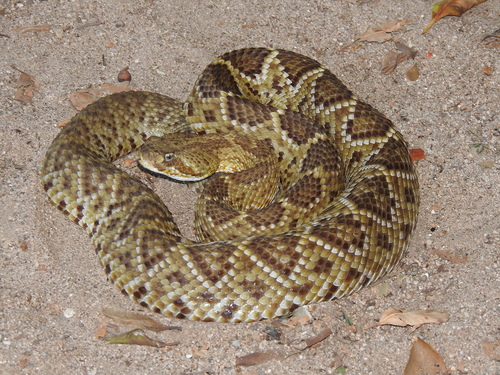
How to identify Bothrops alternatus Duméril, Bibron & Duméril, 1854

Bothrops alternatus Duméril, Bibron & Duméril, 1854

Bothrops alternatus Duméril, Bibron & Duméril, 1854

Bothrops alternatus is a highly venomous South American pit viper that is a majo…

Browse all 160 Viperidae species →

Frequently Asked Questions

How do you identify Viperidae?

Viperidae animals belong to the order in the Animalia kingdom. The head of Vipera berus is fairly large and distinct, with almost flat, vertical sides. For instant identification, use the iNature app — AI-powered and works offline.

What are the key characteristics of Viperidae?

Viperidae is classified in the order , class Squamata, phylum Chordata. The supraoculars are large and distinct, and each is separated from the frontal by one to four small scales.

Sources: GBIF, iNaturalist, Wikipedia · Disclaimer

Start Exploring Nature Today

Download iNature for free. 10 identifications on us. No account needed. No credit card required.

App Store
Scan to download from App Store

Scan with iPhone camera

Google Play
Scan to download from Google Play

Scan with Android camera