How to Identify Trochilidae

Trochilidae is a animal family in the Animalia kingdom, order Apodiformes, class Aves. The family contains 235 accepted species worldwide.

Key Identification Features

For instant identification in the field, use the iNature app — AI-powered, works offline.
Representative Trochilidae Species

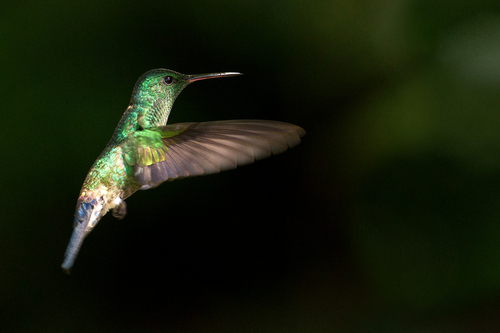
How to identify Saucerottia hoffmanni (Cabanis & Heine, 1860)

Saucerottia hoffmanni (Cabanis & Heine, 1860)

Saucerottia hoffmanni (Cabanis & Heine, 1860)

Saucerottia hoffmanni, the blue-vented hummingbird, is a small bird found from s…

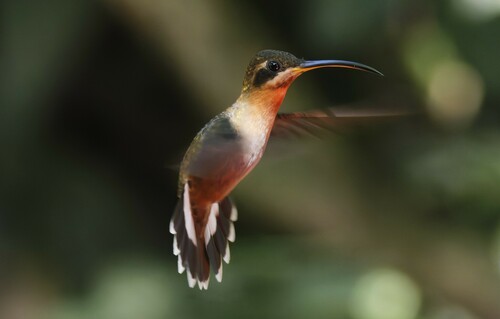
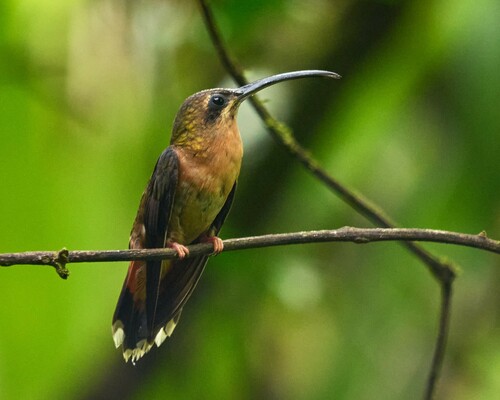
How to identify Threnetes ruckeri (Bourcier, 1847)

Threnetes ruckeri (Bourcier, 1847)

Threnetes ruckeri (Bourcier, 1847)

Threnetes ruckeri, the band-tailed barbthroat, is a small hermit hummingbird wit…

How to identify Calliphlox amethystina (Boddaert, 1783)

Calliphlox amethystina (Boddaert, 1783)

Calliphlox amethystina (Boddaert, 1783)

Calliphlox amethystina, the amethyst woodstar, is a small hummingbird found acro…

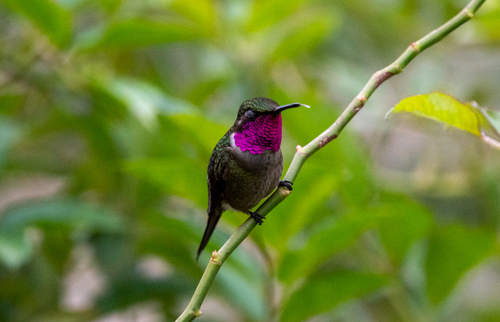
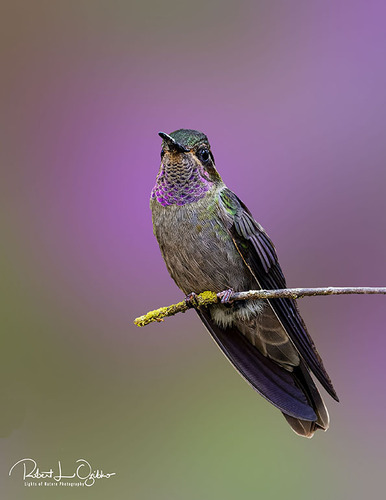
How to identify Lampornis amethystinus Swainson, 1827

Lampornis amethystinus Swainson, 1827

Lampornis amethystinus Swainson, 1827

The amethyst-throated mountaingem is a small hummingbird with multiple subspecie…

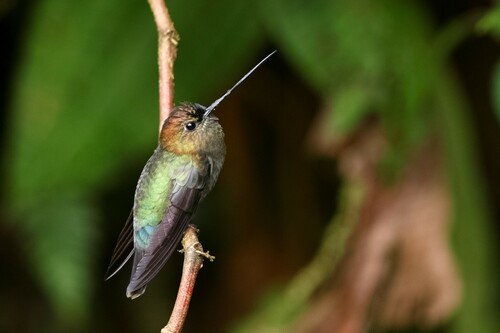
How to identify Doryfera ludovicae (Bourcier & Mulsant, 1847)

Doryfera ludovicae (Bourcier & Mulsant, 1847)

Doryfera ludovicae (Bourcier & Mulsant, 1847)

Doryfera ludovicae, the green-fronted lancebill, is a non-migratory hummingbird …

How to identify Glaucis aeneus Lawrence, 1868

Glaucis aeneus Lawrence, 1868

Glaucis aeneus Lawrence, 1868

Glaucis aeneus, the bronzy hermit, is a hummingbird with two separated populatio…

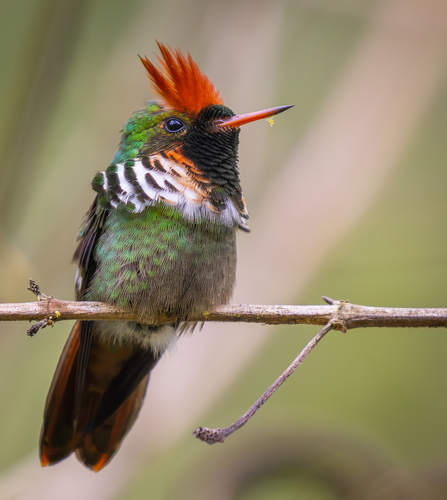
How to identify Lophornis magnificus (Vieillot, 1817)

Lophornis magnificus (Vieillot, 1817)

Lophornis magnificus (Vieillot, 1817)

The frilled coquette is a tiny hummingbird species native to eastern and souther…

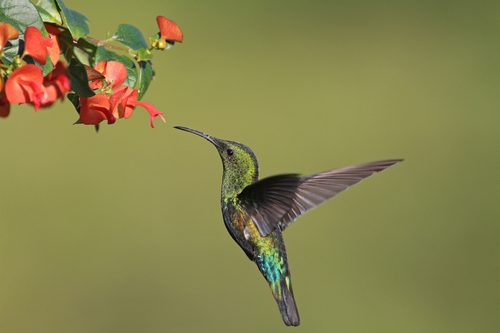
How to identify Eulampis holosericeus (Linnaeus, 1758)

Eulampis holosericeus (Linnaeus, 1758)

Eulampis holosericeus (Linnaeus, 1758)

Eulampis holosericeus, the green-throated carib, is a large Caribbean hummingbir…

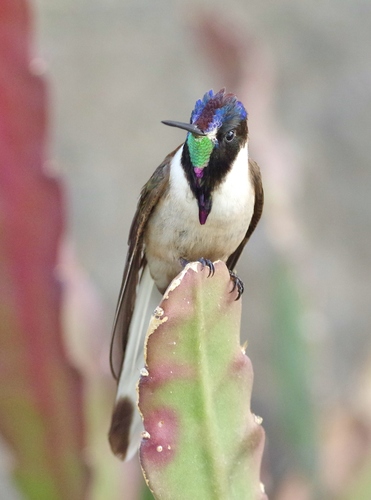
How to identify Oreonympha nobilis Gould, 1869

Oreonympha nobilis Gould, 1869

Oreonympha nobilis Gould, 1869

Oreonympha nobilis (the bearded mountaineer) is a hummingbird with two subspecie…

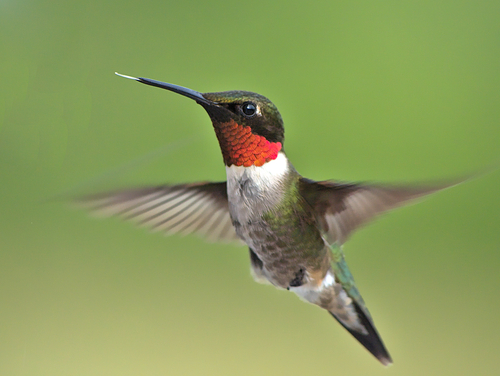
How to identify Archilochus colubris (Linnaeus, 1758)

Archilochus colubris (Linnaeus, 1758)

Archilochus colubris (Linnaeus, 1758)

Archilochus colubris, the ruby-throated hummingbird, is a small migratory hummin…

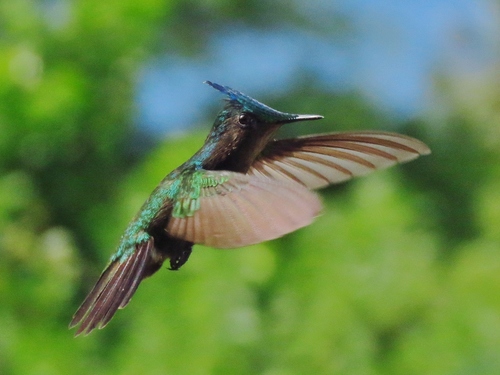
How to identify Orthorhyncus cristatus (Linnaeus, 1758)

Orthorhyncus cristatus (Linnaeus, 1758)

Orthorhyncus cristatus (Linnaeus, 1758)

Orthorrhyncus cristatus, the Antillean crested hummingbird, is a crested sexuall…

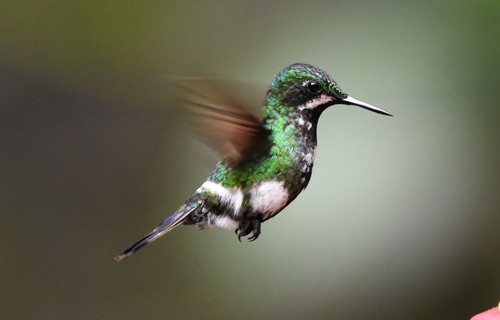
How to identify Discosura conversii (Bourcier & Mulsant, 1846)

Discosura conversii (Bourcier & Mulsant, 1846)

Discosura conversii (Bourcier & Mulsant, 1846)

Discosura conversii, the green thorntail, is a small sexually dimorphic hummingb…

Browse all 235 Trochilidae species →

Frequently Asked Questions

How do you identify Trochilidae?

Trochilidae animals belong to the Apodiformes order in the Animalia kingdom. Three subspecies of band-tailed barbthroat have distinct geographic ranges. For instant identification, use the iNature app — AI-powered and works offline.

What are the key characteristics of Trochilidae?

Trochilidae is classified in the order Apodiformes, class Aves, phylum Chordata. As its common name suggests, it is distinguished by a glittering green patch of feathers on the forehead.

Sources: GBIF, iNaturalist, Wikipedia · Disclaimer

Start Exploring Nature Today

Download iNature for free. 10 identifications on us. No account needed. No credit card required.

App Store
Scan to download from App Store

Scan with iPhone camera

Google Play
Scan to download from Google Play

Scan with Android camera