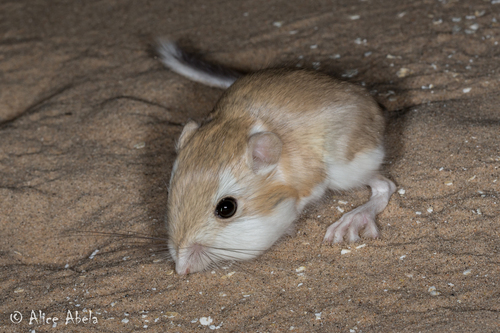
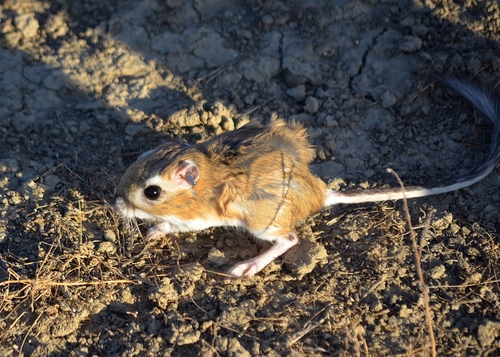
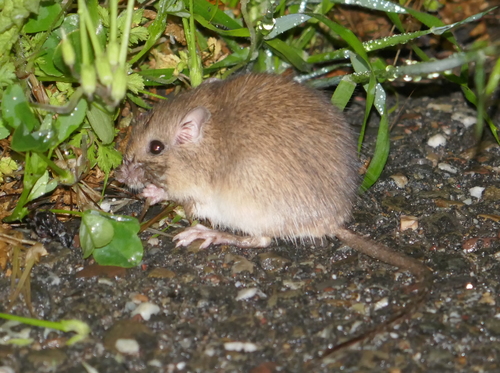
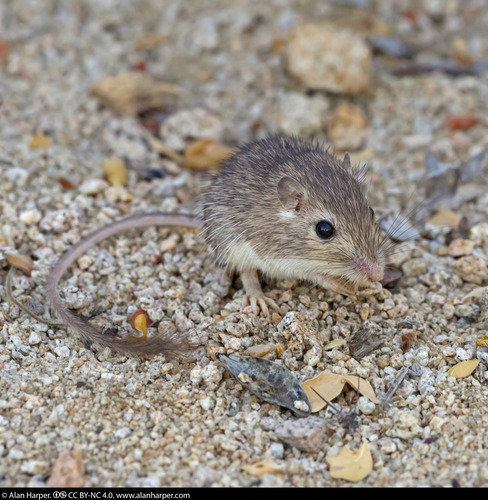
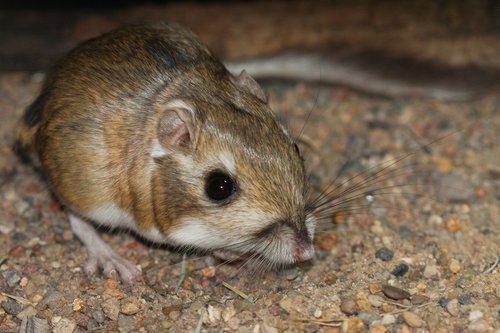
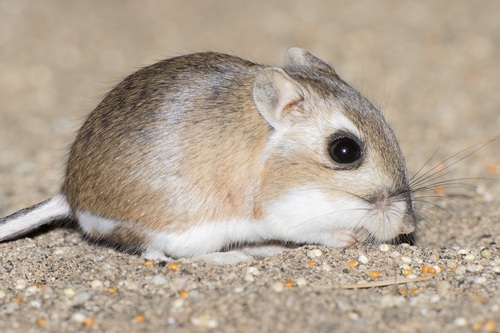
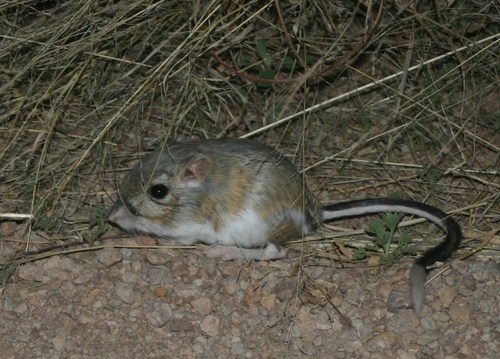
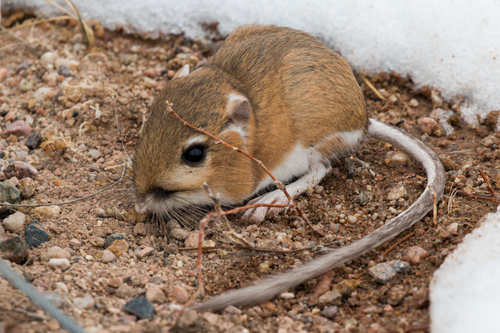
How to Identify Heteromyidae

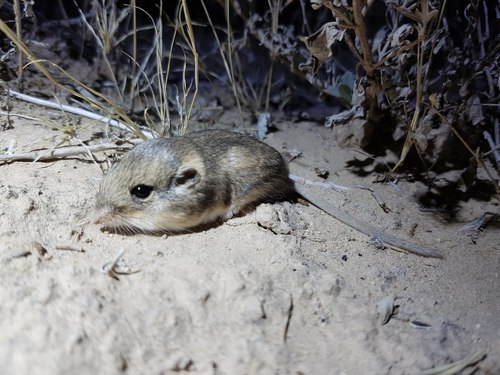
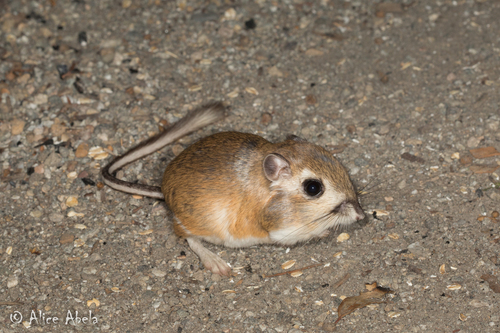
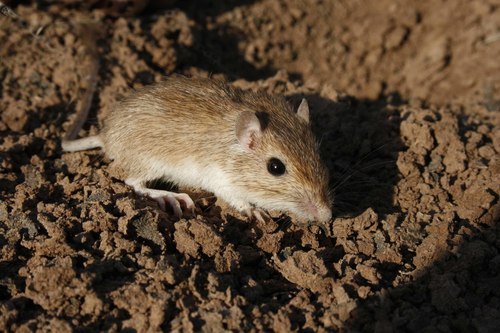
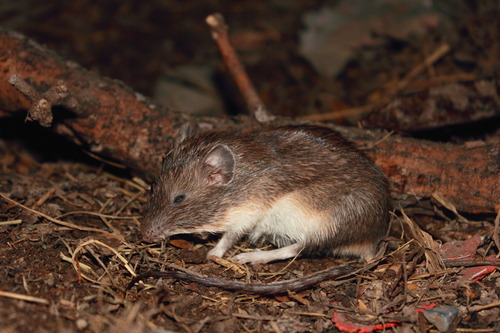
Heteromyidae is a animal family in the Animalia kingdom, order Rodentia, class Mammalia. The family contains 16 accepted species worldwide.

Key Identification Features

For instant identification in the field, use the iNature app — AI-powered, works offline.
Representative Heteromyidae Species

How to identify Liomys irroratus (Gray, 1868)

Liomys irroratus (Gray, 1868)

Liomys irroratus (Gray, 1868)

Liomys irroratus, the Mexican spiny pocket mouse, is a medium-sized rodent endem…

How to identify Dipodomys deserti Stephens, 1887

Dipodomys deserti Stephens, 1887

Dipodomys deserti Stephens, 1887

Dipodomys deserti, the desert kangaroo rat, is a large heteromyid rodent native …

How to identify Dipodomys ingens (Merriam, 1904)

Dipodomys ingens (Merriam, 1904)

Dipodomys ingens (Merriam, 1904)

Dipodomys ingens, the giant kangaroo rat, is the largest kangaroo rat, a rodent …

How to identify Chaetodipus californicus (Merriam, 1889)

Chaetodipus californicus (Merriam, 1889)

Chaetodipus californicus (Merriam, 1889)

Chaetodipus californicus is a pocket mouse native to California US and northern …

How to identify Chaetodipus spinatus (Merriam, 1889)

Chaetodipus spinatus (Merriam, 1889)

Chaetodipus spinatus (Merriam, 1889)

Chaetodipus spinatus, the spiny pocket mouse, is a small nocturnal desert rodent…

How to identify Dipodomys merriami Mearns, 1890

Dipodomys merriami Mearns, 1890

Dipodomys merriami Mearns, 1890

This is a species overview of Dipodomys merriami, Merriam's kangaroo rat, coveri…

How to identify Dipodomys simulans (Merriam, 1904)

Dipodomys simulans (Merriam, 1904)

Dipodomys simulans (Merriam, 1904)

Dipodomys simulans, the Dulzura kangaroo rat, is a medium-sized hopping rodent n…

How to identify Dipodomys spectabilis Merriam, 1890

Dipodomys spectabilis Merriam, 1890

Dipodomys spectabilis Merriam, 1890

Dipodomys spectabilis, the banner-tailed kangaroo rat, is a hopping rodent with …

How to identify Dipodomys ordii Woodhouse, 1853

Dipodomys ordii Woodhouse, 1853

Dipodomys ordii Woodhouse, 1853

Ord's kangaroo rat (Dipodomys ordii) is a North American arid-adapted kangaroo r…

How to identify Perognathus flavus Baird, 1855

Perognathus flavus Baird, 1855

Perognathus flavus Baird, 1855

Perognathus flavus, the silky pocket mouse, is the smallest Heteromyidae pocket …

How to identify Dipodomys heermanni LeConte, 1853

Dipodomys heermanni LeConte, 1853

Dipodomys heermanni LeConte, 1853

Heermann's kangaroo rat is a heteromyid rodent endemic to California, U.S., with…

How to identify Chaetodipus penicillatus (Woodhouse, 1852)

Chaetodipus penicillatus (Woodhouse, 1852)

Chaetodipus penicillatus (Woodhouse, 1852)

Chaetodipus penicillatus, the desert pocket mouse, is a medium-sized pocket mous…

Browse all 16 Heteromyidae species →

Frequently Asked Questions

How do you identify Heteromyidae?

Heteromyidae animals belong to the Rodentia order in the Animalia kingdom. Its coat is made up of a mixture of stiff spines and soft hairs; because the soft hairs lie flat, the spines are the most noticeable feature of the pelage. For instant identification, use the iNature app — AI-powered and works offline.

What are the key characteristics of Heteromyidae?

Heteromyidae is classified in the order Rodentia, class Mammalia, phylum Chordata. Most kangaroo rat species that live in arid environments are well known for their ability to use metabolic water instead of relying on water from the environment.

Sources: GBIF, iNaturalist, Wikipedia · Disclaimer

Start Exploring Nature Today

Download iNature for free. 10 identifications on us. No account needed. No credit card required.

App Store
Scan to download from App Store

Scan with iPhone camera

Google Play
Scan to download from Google Play

Scan with Android camera