About Dipodomys ingens (Merriam, 1904)
Common Name and Taxonomy
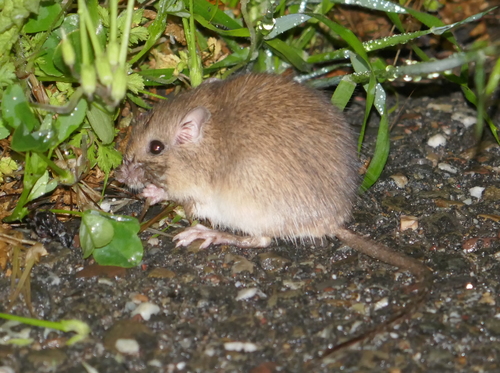
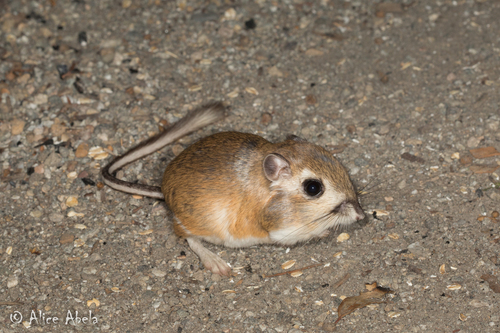
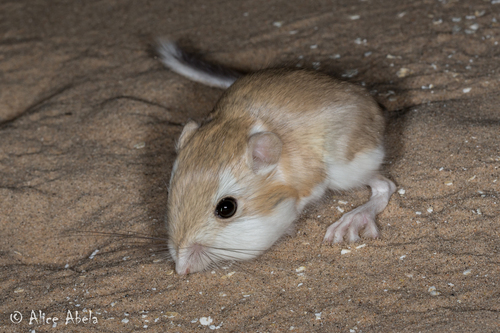
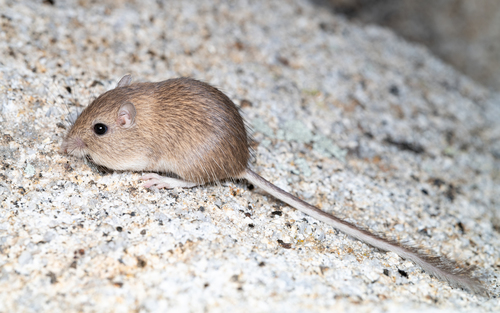
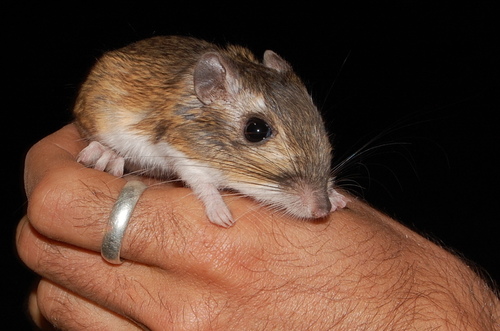
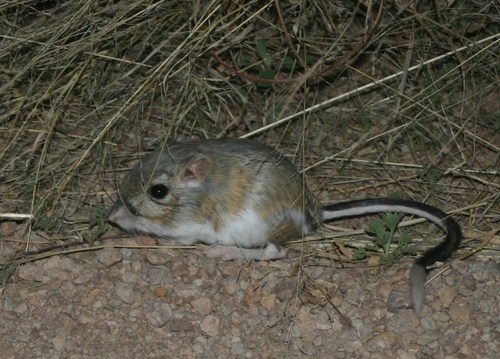
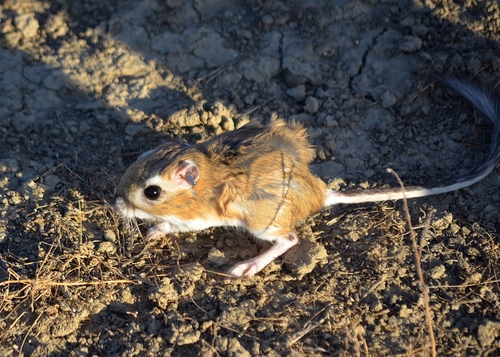
Dipodomys ingens, commonly called the giant kangaroo rat, is the largest of over 20 species of kangaroo rats, which are small members of the rodent family.
Length and Coloration
Excluding its long, tufted tail, it measures approximately 15 cm (5.9 in) in length, and has a tan or brown coloration.
Morphological Features
Like other kangaroo rats, it has a large head, large eyes, and long, strong hind legs that allow it to hop quickly.
Habitat and Burrowing Behavior
The giant kangaroo rat inhabits dry, sandy grasslands, and digs burrows in loose soil.
Colony Living and Communication Method
It lives in colonies, and individuals communicate with one another by drumming their feet against the ground.
Foot Drumming Signal Characteristics
These foot drumming signals range from single, short thumps to long, extended "footrolls" that average over 100 drums at a rate of 18 drums per second.
Foot Drumming Functions
These audible signals function as warnings of approaching danger, territorial communication, and messages about mating status.
Diet Composition
Kangaroo rats are primarily seed eaters, but will also consume green plants and insects.
Seed Storage Behavior
Most giant kangaroo rats collect seeds when they are available and store them to eat later.
Seed Placement Practices
Seeds are placed into small pits on the soil surface, scattered across an individual’s home range.
Seed Pit Capacity
Each small pit holds only the amount of seeds that can fit in the species’ two cheek pouches.
Foraging Duration
In spring and summer, individual giant kangaroo rats generally spend less than two hours per night foraging above ground.
Territoriality and Den Activity
They are highly territorial and never leave their den for more than 15 minutes total per day.
Larder Storage
After gathering seeds, giant kangaroo rats store them in a larder for later consumption.
Litter Size
Females give birth to litters of 1 to 8 offspring, with an average litter size of 3.
Mating Scent Communication
Giant kangaroo rats communicate with potential mates through sand-bathing, a behavior where the rat rubs its sides in sand to leave behind a scent that attracts mates.
Lifespan
The giant kangaroo rat has a lifespan of only 2 to 4 years.
Mating Seasonality
Its mating occurs seasonally: during the summer, males leave their normal territories to mate with neighboring female rats, while during the winter, males remain in their original burrows.