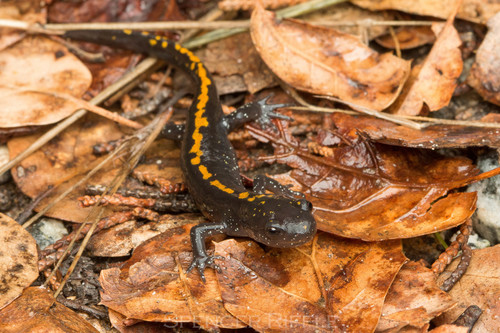
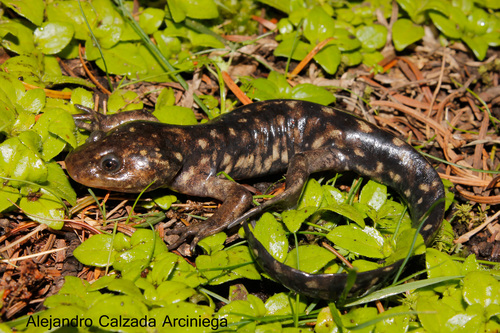
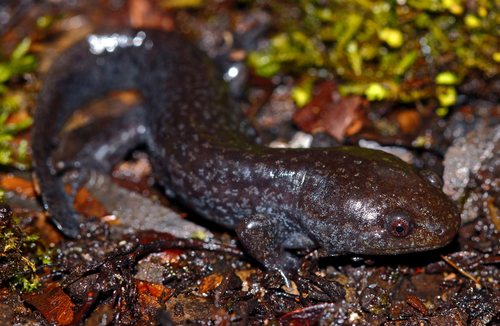
How to Identify Ambystomatidae

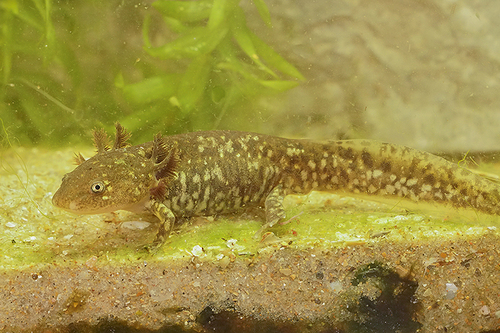
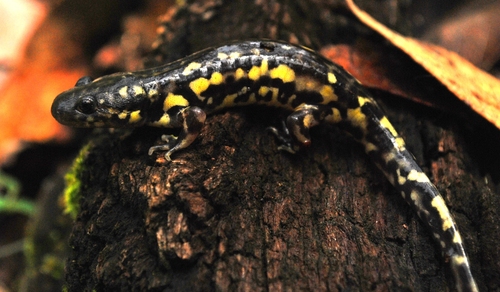
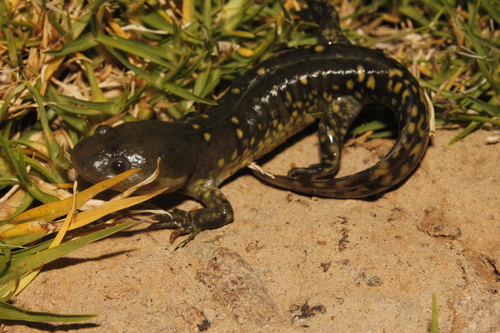
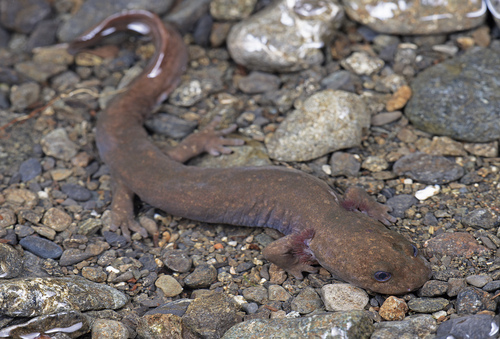
Ambystomatidae is a animal family in the Animalia kingdom, order Caudata, class Amphibia. The family contains 23 accepted species worldwide.

Key Identification Features

For instant identification in the field, use the iNature app — AI-powered, works offline.
Representative Ambystomatidae Species

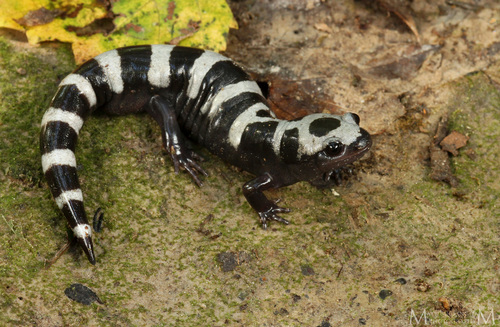
How to identify Ambystoma opacum (Gravenhorst, 1807)

Ambystoma opacum (Gravenhorst, 1807)

Ambystoma opacum (Gravenhorst, 1807)

The marbled salamander, Ambystoma opacum, is a small sexually dimorphic mole sal…

How to identify Ambystoma gracile (Baird, 1859)

Ambystoma gracile (Baird, 1859)

Ambystoma gracile (Baird, 1859)

Ambystoma gracile is a salamander with two subspecies, varying neoteny with alti…

How to identify Ambystoma tigrinum (Green, 1825)

Ambystoma tigrinum (Green, 1825)

Ambystoma tigrinum (Green, 1825)

Ambystoma tigrinum (tiger salamander) is a widely distributed North American ter…

How to identify Ambystoma ordinarium Taylor, 1940

Ambystoma ordinarium Taylor, 1940

Ambystoma ordinarium Taylor, 1940

Ambystoma ordinarium is a salamander species found only in two high-elevation mo…

How to identify Dicamptodon tenebrosus (Baird & Girard, 1852)

Dicamptodon tenebrosus (Baird & Girard, 1852)

Dicamptodon tenebrosus (Baird & Girard, 1852)

Dicamptodon tenebrosus, the coastal giant salamander, is North America’s largest…

How to identify Ambystoma rivulare (Taylor, 1940)

Ambystoma rivulare (Taylor, 1940)

Ambystoma rivulare (Taylor, 1940)

Ambystoma rivulare, the Michoacan Stream Salamander, is a mole salamander endemi…

How to identify Ambystoma rosaceum Taylor, 1941

Ambystoma rosaceum Taylor, 1941

Ambystoma rosaceum Taylor, 1941

Ambystoma rosaceum, the Tarhumara salamander, is a medium-sized adaptable salama…

How to identify Ambystoma velasci Dugès, 1888

Ambystoma velasci Dugès, 1888

Ambystoma velasci Dugès, 1888

Ambystoma velasci, the plateau tiger salamander, is a facultatively paedomorphic…

How to identify Dicamptodon copei Nussbaum, 1970

Dicamptodon copei Nussbaum, 1970

Dicamptodon copei Nussbaum, 1970

Dicamptodon copei is a rarely metamorphosing neotenic salamander that stays larv…

How to identify Ambystoma macrodactylum Baird, 1850

Ambystoma macrodactylum Baird, 1850

Ambystoma macrodactylum Baird, 1850

Ambystoma macrodactylum (long-toed salamander) is a widely distributed North Ame…

How to identify Ambystoma altamirani Dugès, 1895

Ambystoma altamirani Dugès, 1895

Ambystoma altamirani Dugès, 1895

Ambystoma altamirani, the mountain stream salamander, is a metamorphosing salama…

How to identify Ambystoma talpoideum (Holbrook, 1838)

Ambystoma talpoideum (Holbrook, 1838)

Ambystoma talpoideum (Holbrook, 1838)

Ambystoma talpoideum, the mole salamander, is a stocky US salamander with specif…

Browse all 23 Ambystomatidae species →

Frequently Asked Questions

How do you identify Ambystomatidae?

Ambystomatidae animals belong to the Caudata order in the Animalia kingdom. A distinctive parental care behavior of marbled salamanders is that guarding mothers wrap their bodies around their eggs to form a bowl shape that collects water over the clutch. For instant identification, use the iNature app — AI-powered and works offline.

What are the key characteristics of Ambystomatidae?

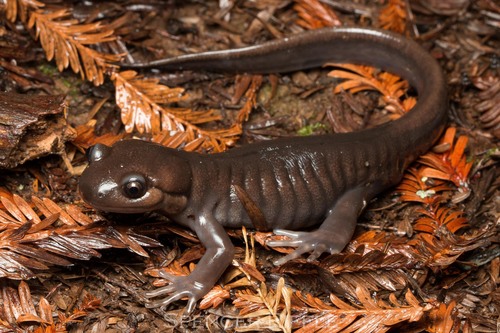
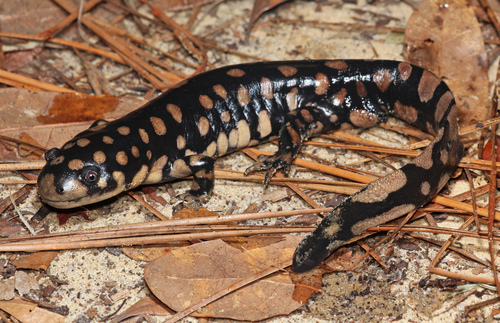
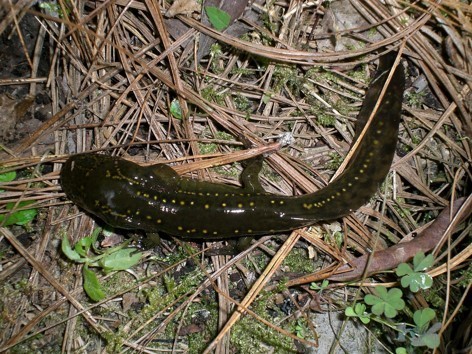
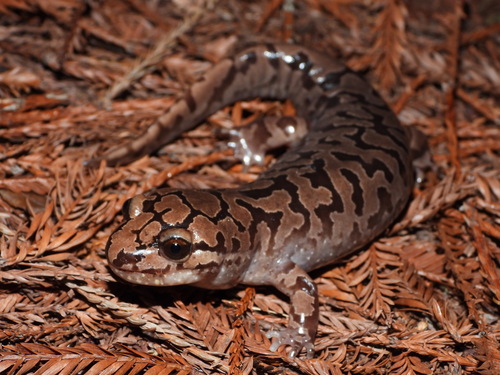
Ambystomatidae is classified in the order Caudata, class Amphibia, phylum Chordata. They are identified by variable colored markings that cover the back of their head, body, and tail.

Sources: GBIF, iNaturalist, Wikipedia · Disclaimer

Start Exploring Nature Today

Download iNature for free. 10 identifications on us. No account needed. No credit card required.

App Store
Scan to download from App Store

Scan with iPhone camera

Google Play
Scan to download from Google Play

Scan with Android camera