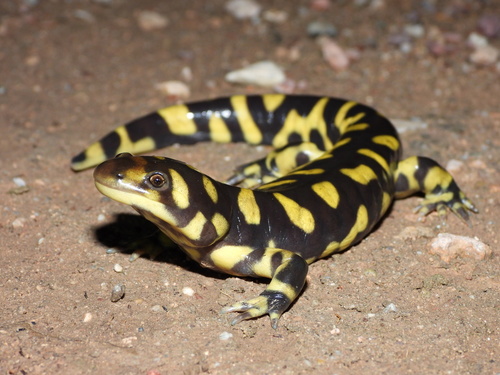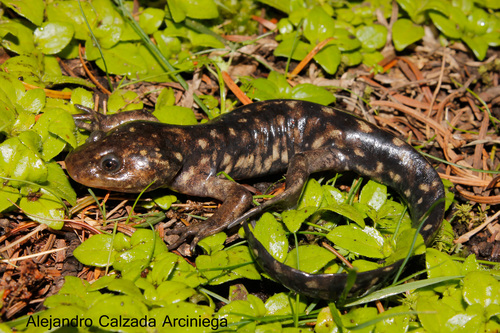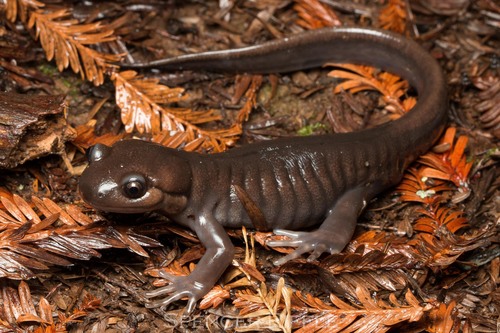
About Ambystoma gracile (Baird, 1859)
Egg Mass Features
The egg mass of Ambystoma gracile is very firm, with a texture similar to a brain, and a jelly layer surrounding the entire mass. Individual eggs measure 2 mm in diameter, and the entire egg mass is roughly the size of a human fist.
Egg Laying Details
Egg masses are laid in water between 0.5 and 2 meters below the surface.
Hatchling Characteristics
Hatchlings are 1 to 35 mm long, and have feathery gills on the sides of the body.
Juvenile Size
Juveniles measure 16 to 105 mm in snout-to-vent length.
Adult Size
Adults measure 40 to 107 mm in snout-to-vent length.
Morphological Variation By Range
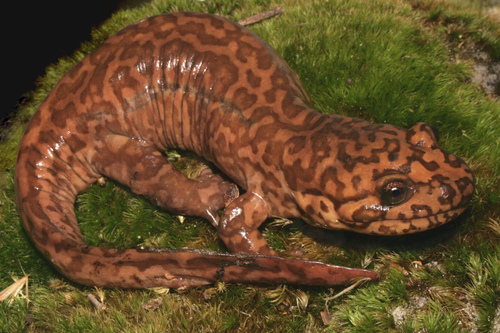
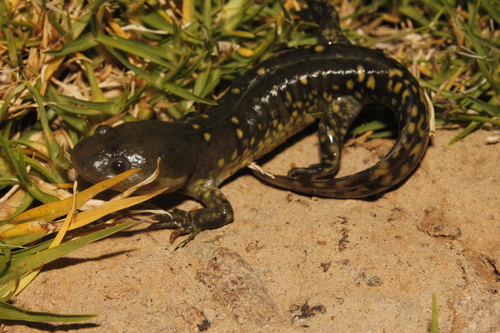
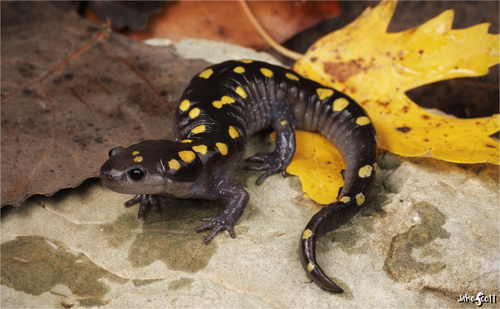
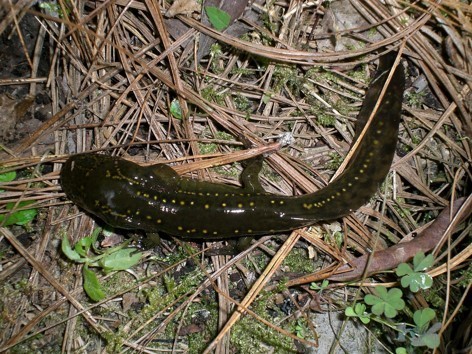
Spotted individuals of this species are found in the northern part of the species' range.
Subspecies Distribution
A dividing line at 51°N latitude separates the two recognized subspecies: A. g. decorticatum occurs north of the line, and A. g. gracile occurs south of the line.
Neoteny Distribution
Populations with neotenic adults are widespread across the range.
Altitude And Neoteny
The frequency of gilled (neotenic) adults increases with altitude: adults at low and intermediate altitudes are almost entirely terrestrial, while adults at very high elevations are mostly neotenic.
Crater Lake Paedomorphic Population
A well-documented paedomorphic population of Ambystoma gracile lives at Crater Lake, Oregon, where this population shares its habitat with Taricha granulosa.
Terrestrial Adult Habitat
Terrestrial adult Ambystoma gracile live in mesic habitats, ranging from grasslands to mesophytic forests.
Surface Activity Patterns
Most terrestrial adults are fossorial, and are usually active on the surface only during fall rains and spring migrations to aquatic breeding sites.
Non-Breeding Shelter
They can occasionally be found under logs and other surface debris outside of the breeding season.
Adult Diet
Adult salamanders feed on small terrestrial invertebrates, including insects, worms, and arachnids.
Larval And Juvenile Diet
Larvae and juveniles feed on aquatic invertebrates, including snails, worms, and tadpoles.