About Zosterisessor ophiocephalus (Pallas, 1814)
Nomenclature and Common Name
This species, Zosterisessor ophiocephalus (Pallas, 1814), is commonly known as the grass goby.
Maximum Length
Grass gobies can reach a maximum total length of 29.9 cm (11.8 in).
Scale Distribution
Cycloid scales cover the crown of the head, nape, throat, belly, and bases of the pectoral fins, while the gill covers are completely naked.
Abdominal Sucker Characteristics
The abdominal sucker of this species has no blades and does not extend as far as the anus.
Mouth and Skin Traits
Its mandibles are protrusive, and the soft skin is covered in mucus.
Body Base Color and Pattern
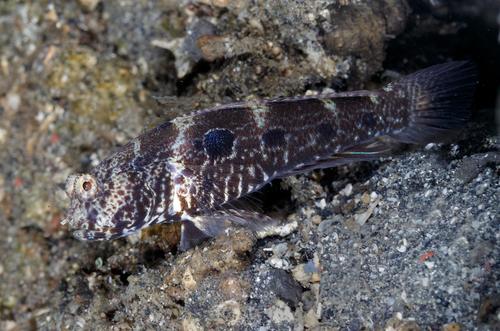
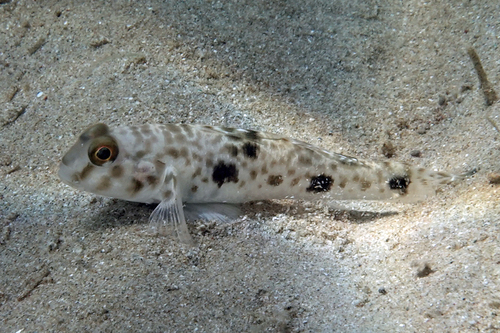
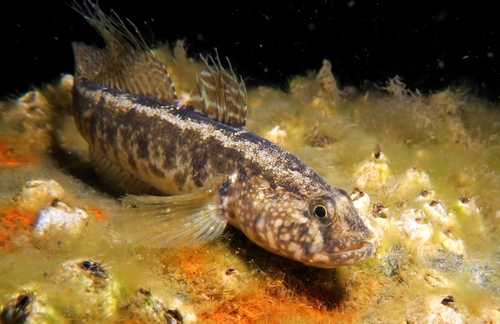
The body has a green-brown base color, patterned with overlapping brown spots.
Head Markings
Round light spots are present on the cheeks.
Fin and Sucker Coloration
The dorsal, caudal, and pectoral fins have longitudinal brown stripes set against a light background; the anal fin and abdominal sucker are dark.
Mediterranean Basin Distribution
The species is widespread across the coastal waters of all seas in the Mediterranean basin.
Mediterranean Key Habitats
It is particularly abundant in the northern Adriatic Sea, the Venetian Lagoon, and France’s Sète Lagoon.
Black Sea and Adjacent Water Distribution
It is also common across all coasts of the Black Sea, and is especially concentrated in the north-west’s lagoons and estuaries, Varna and Burgas Bays, the Sea of Azov, and Sivash.