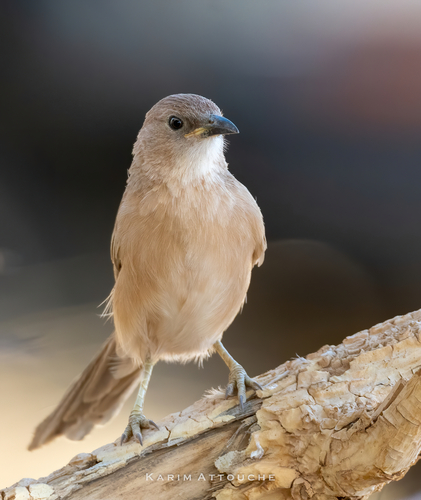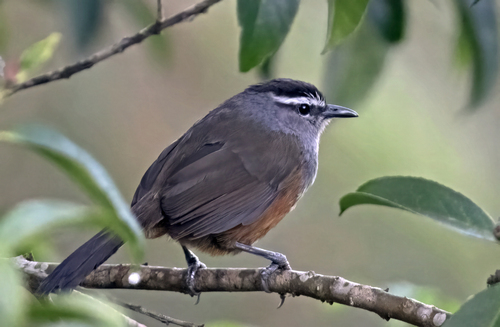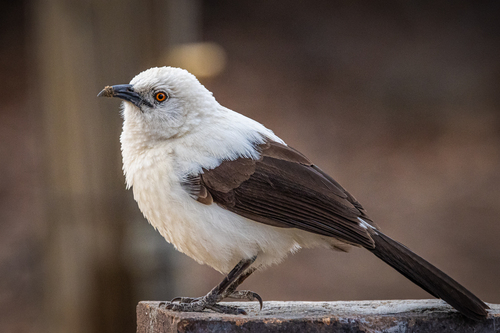
About Turdoides bicolor (Jardine, 1831)
Common Name and Basic Traits
Turdoides bicolor, commonly called the southern pied babbler, is a medium-sized cooperatively breeding passerine bird that weighs between 75 and 95 grams, or 2.6 to 3.4 ounces.
Group Structure
This species lives in groups of 2 to 16 adults, and breeding pairs that live alone are rare. Southern pied babblers are sexually monomorphic, meaning males and females cannot be told apart by physical characteristics.
Dominant Breeding Pair Role
Each social group contains a dominant breeding pair that controls nearly all breeding opportunities within the group. Recent genetic research confirms that these dominant pairs produce over 95% of all hatched young.
Subordinate Parentage Patterns
Occasional mixed parentage does occur, but it follows a predictable pattern: subordinate group members gain parentage most often when an unrelated new immigrant joins the group, or when a completely new group is founded.
Cooperative Rearing Basics
All members of a group work together to raise the young from a single clutch. Clutch size ranges between two and five eggs, with three eggs being the most common size.
Cooperative Behaviours
Cooperative behaviours the birds engage in include providing food for young both while they are in the nest and after they have fledged, acting as sentinels to watch for danger, defending the group’s territory borders, teaching behaviour, and babysitting behaviour.
Babysitting Behaviour
During babysitting, semi-independent fledglings follow adults between foraging sites to stay away from predators.
Breeding Season Timing
The breeding season for this species runs from late September to early April, though the exact timing changes between years and depends heavily on rainfall. Groups can successfully raise up to three separate clutches in a single breeding season.
Egg Incubation and Fledging Periods
The average incubation period for eggs is 14 days, and the average time from hatching to fledging is 16 days. Fledging timing changes based on group size: smaller groups tend to fledge their young earlier than larger groups do.
Post-Fledging Dependency
After fledging, young birds are not very mobile, cannot fly, and depend completely on adult group members for food. Young fledglings develop efficient foraging skills slowly, and adults may continue to provide food for them for up to four months after they leave the nest.
Long-Term Effects of Post-Fledging Care
The amount of care young receive during this post-fledging period has long-term effects on their lives. Fledglings that receive care for longer periods tend to be heavier and better foragers than those that receive shorter care periods.
Dispersal and Reproduction Outcomes
Additionally, these well-cared for fledglings are more likely to successfully disperse away from their natal group, and as a result start reproducing earlier than individuals that do not successfully disperse.