About Thalassoica antarctica (Gmelin, 1789)
Plumage Features
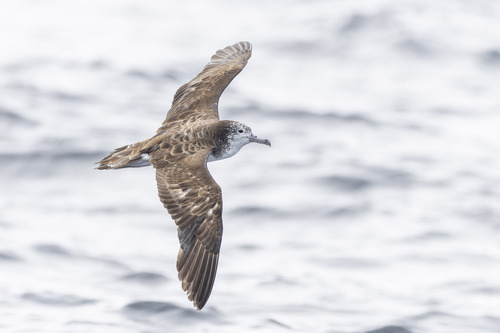
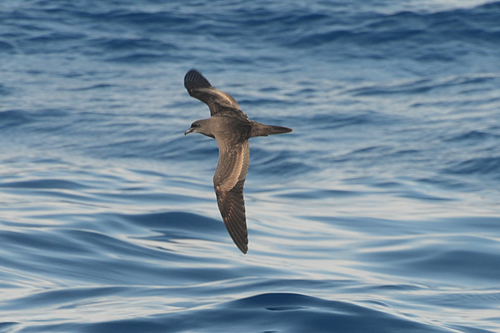
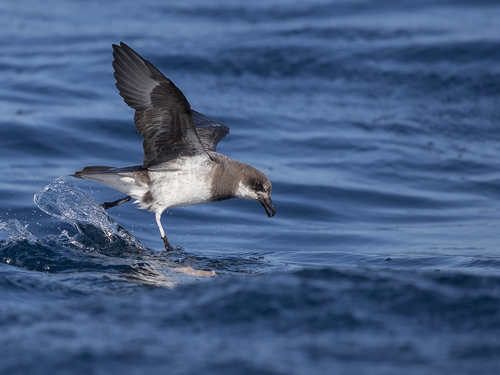
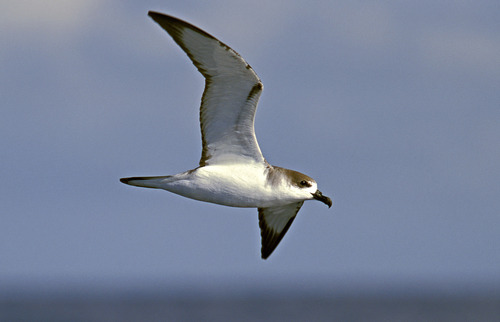
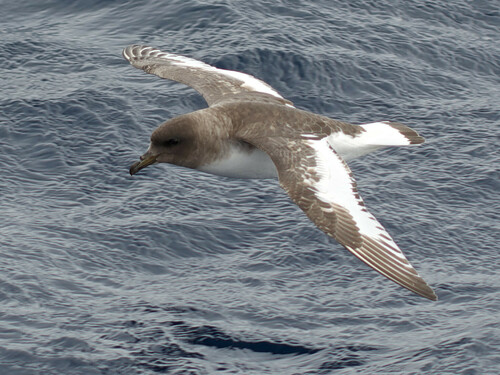
Adult Antarctic petrels (Thalassoica antarctica) have brown heads, sides, throats, and backs. Their bills are dark brown, and their feet are grey. Underparts are white, while the tail and wing secondaries are white with brown tips.
Size Measurements
Relative to other petrels, this is a medium-sized species: it has a wingspan of 100–110 cm (39–43 in), a body length of 40–45 cm (16–18 in), and an average weight of 675 g (23.8 oz).
Core Habitat Range
As its common name suggests, the Antarctic petrel lives and breeds in the Southern Ocean and on Antarctic islands. It nests on snow-free cliffs and rock faces along the coast or on offshore islands, though individuals have been found as far as 250 km inland. Icebergs are another common roosting site for the species.
Breeding Behavior
During its October–November breeding season, breeding colonies can be large, with more than 200,000 pairs. Antarctic petrels occasionally reach Australia or New Zealand in late winter, most often when driven off course by severe storms.
Diet Composition
The Antarctic petrel's diet consists mainly of krill, squid, and small fish. It typically seizes food while on the water surface, but will also plunge-dive for prey to depths of up to 1.5 m (4 ft 11 in).