Poisonous & Toxic Species
Never touch, taste, or consume any species you cannot positively identify. This guide is for educational purposes only. When in doubt, consult a local expert. Use the iNature app for quick AI-powered identification in the field.
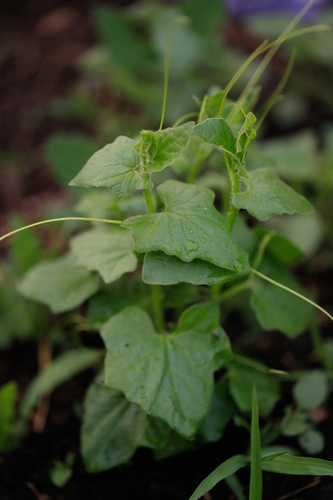
Eastern White-bryony
Bryonia alba L.
Bryonia alba L. (white bryony) is a poisonous perennial vine native to Europe and Northern Iran, introduced as a noxious weed to parts of the US.
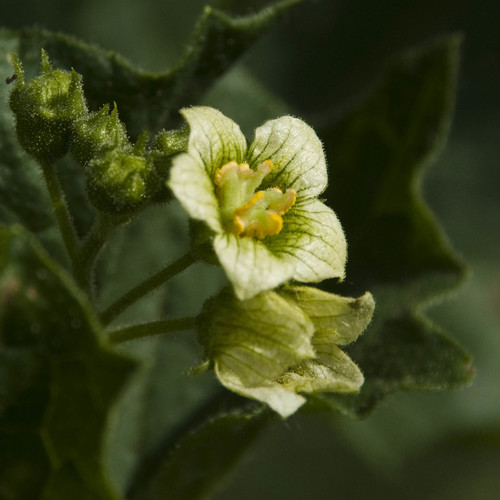
White Bryony
Bryonia cretica L.
Bryonia cretica L. is a toxic perennial flowering vine common across Europe, North Africa, the Middle East and Turkmenistan, used in traditional medicine.
Bryonia dioica Jacq.
Bryonia dioica Jacq.
Bryonia dioica Jacq. is a toxic perennial climbing vine from Central and Southern Europe, with edible seeds used in Western European starch dishes.
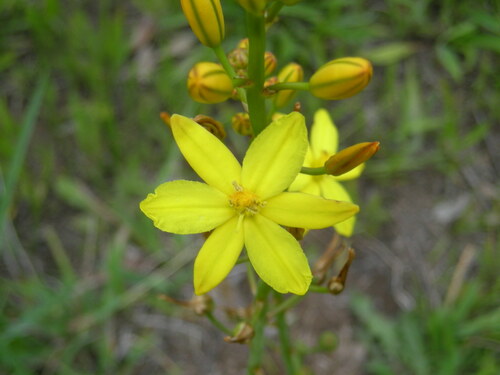
Bulbine Lily
Bulbine bulbosa (R.Br.) Haw.
Bulbine bulbosa is a perennial Australian herb with yellow fragrant flowers, used as traditional food and grown in gardens.
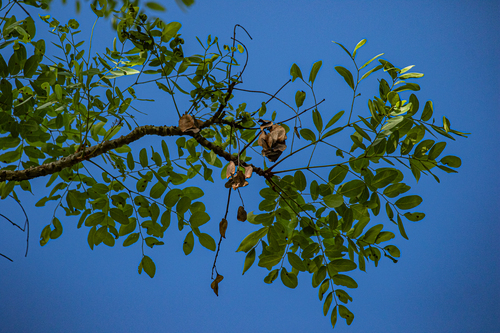
wild syringa
Burkea africana Hook.
Burkea africana is a widespread sub-Saharan savanna tree with toxic bark used in fishing and tanning, and valuable timber.
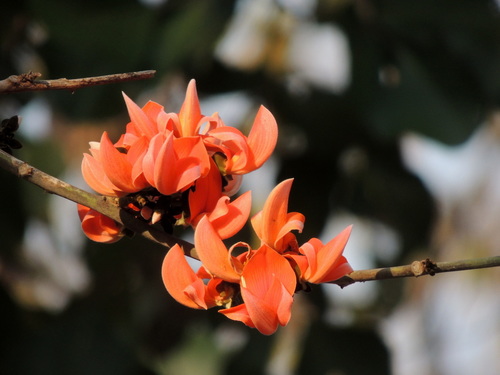
Flame of The Forest
Butea monosperma (Lam.) Kuntze
Butea monosperma is a small deciduous tree used for timber, food, traditional medicine, and erosion control, with some toxic compounds.
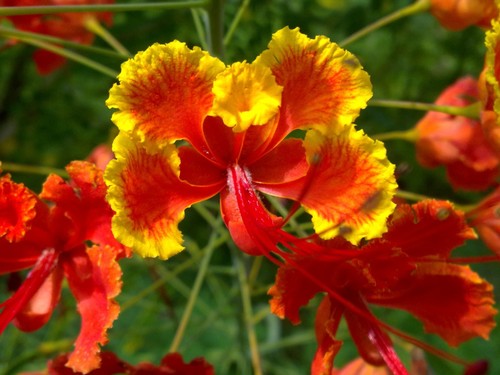
peacock flower
Caesalpinia pulcherrima (L.) Sw.
Caesalpinia pulcherrima is a cold-sensitive shrub that has been historically used as an abortifacient in traditional medicine.
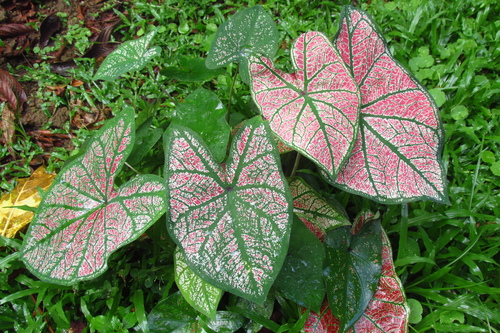
Heart of Jesus
Caladium bicolor (Aiton) Vent.
Caladium bicolor is a Latin American ornamental houseplant that is invasive in some tropical regions and toxic to humans and animals.
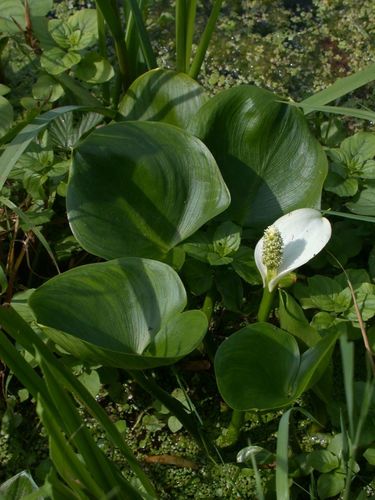
marsh calla
Calla palustris L.
Calla palustris L. is a poisonous bog-growing perennial with white spathes and red berries, native to cool Northern Hemisphere regions.
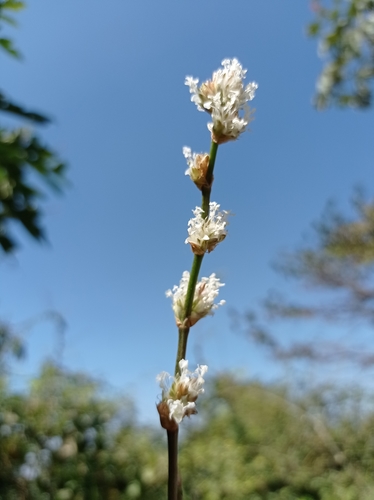
False Bromeliad Plant
Callisia fragrans (Lindl.) Woodson
Callisia fragrans is a robust perennial ornamental herb with recorded traditional and in vitro antiviral properties.
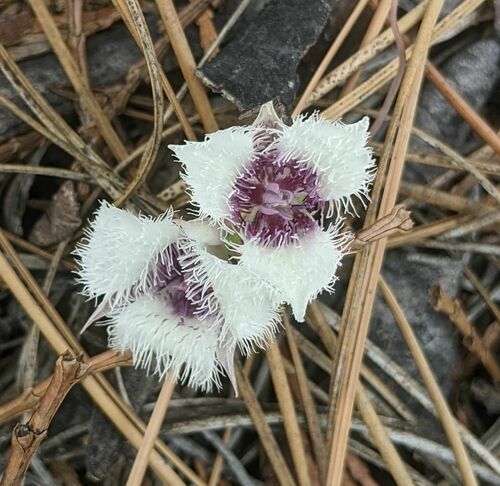
cat's ear
Calochortus elegans Pursh
Calochortus elegans is a lily-family flowering perennial native to the western US, with edible bulbs.
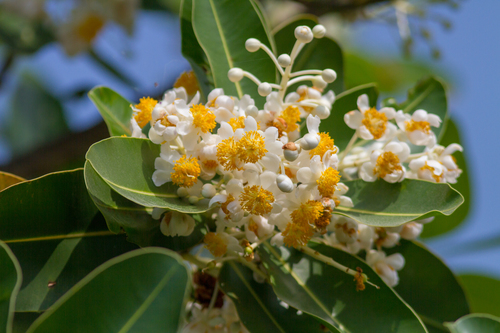
Alexandrian Laurel
Calophyllum inophyllum L.
Calophyllum inophyllum L. is a large evergreen tree native to the Old World Tropics, cultivated for ornament, timber, oil and other uses.
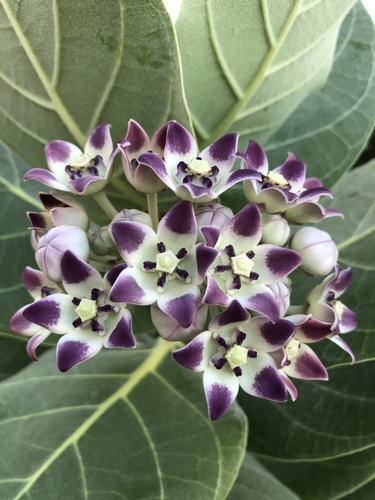
giant milkweed
Calotropis procera (Aiton) W.T.Aiton
Calotropis procera is a toxic flowering milkweed relative native to Africa, Asia, that feeds monarch caterpillars where introduced.
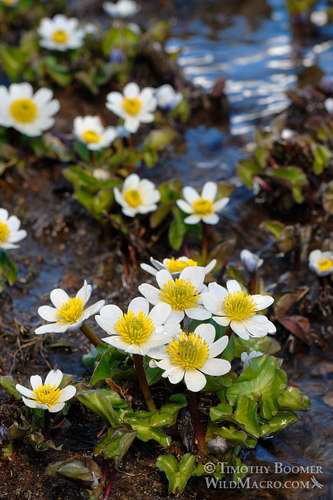
white marsh marigold
Caltha leptosepala DC.
Caltha leptosepala is a white- or yellow-flowered perennial herb native to wet mountain habitats of western North America.
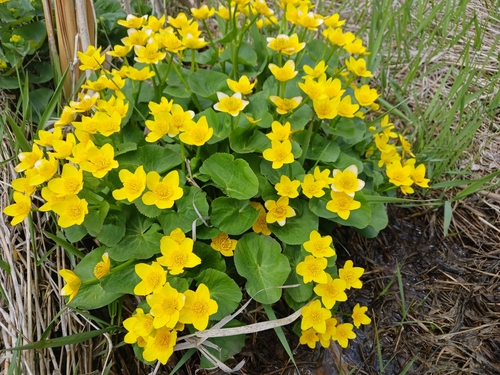
marsh marigold
Caltha palustris L.
Caltha palustris, or marsh marigold, is a Northern Hemisphere wetland perennial with known ecology, toxicity and uses.
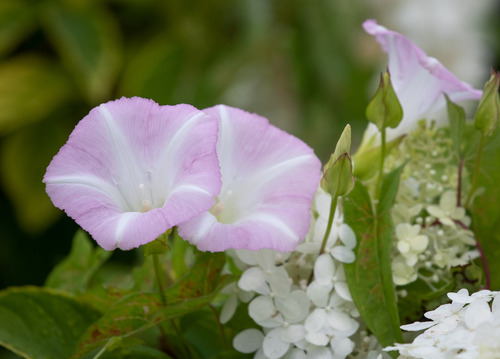
hedge bindweed
Calystegia sepium (L.) R.Br.
Calystegia sepium is a toxic twining herbaceous perennial identified by its non-overlapping narrow floral bracteoles.
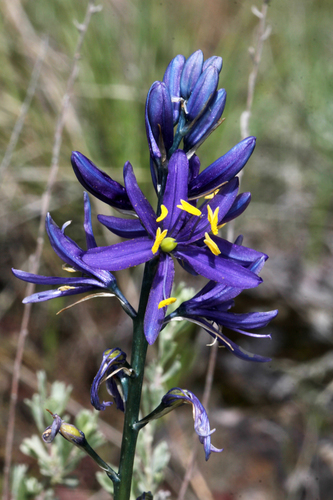
small camas
Camassia quamash (Pursh) Greene
Camassia quamash, common camas, is a North American perennial bulb grown ornamentally and used traditionally as an edible food source.
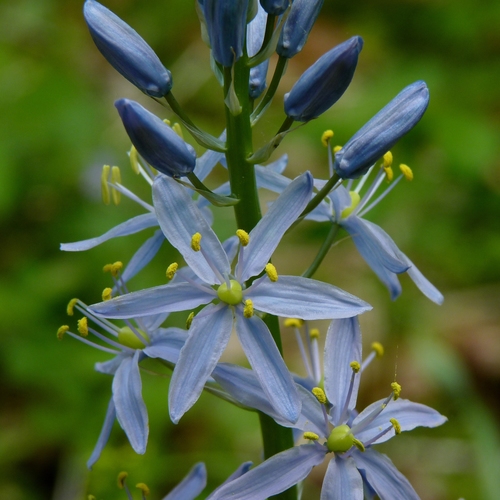
Atlantic camas
Camassia scilloides (Raf.) Cory
Camassia scilloides is a bulbous plant with light blue or whitish flowers, whose bulbs were eaten as food by Native American groups.
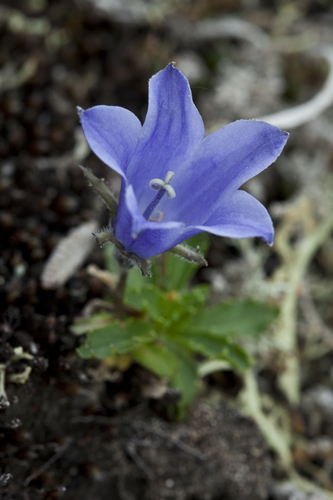
Mountain Harebell
Campanula lasiocarpa Cham.
Campanula lasiocarpa Cham. is an edible bellflower species found in Yukon Territory, where most other local purple flowers are toxic.
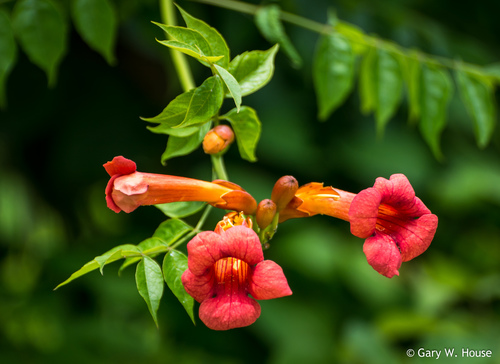
American trumpet vine
Campsis radicans (L.) Bureau
Campsis radicans, the trumpet vine, is a vigorous climbing vine native to eastern North America with known toxic properties and cultivated varieties.

Cannabis
Cannabis sativa L.
Cannabis sativa L. is a usually dioecious flowering plant with a range of cultivation uses and applications.
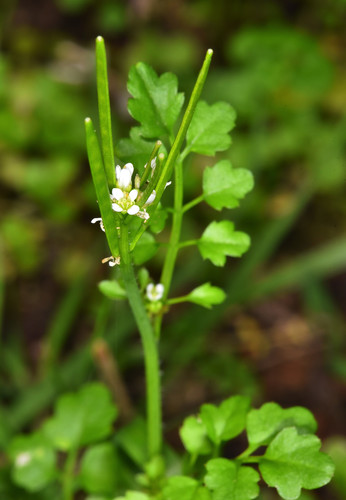
little western bittercress
Cardamine oligosperma Nutt.
Cardamine oligosperma is an edible annual/biennial herb native to moist mountain habitats of western North America.
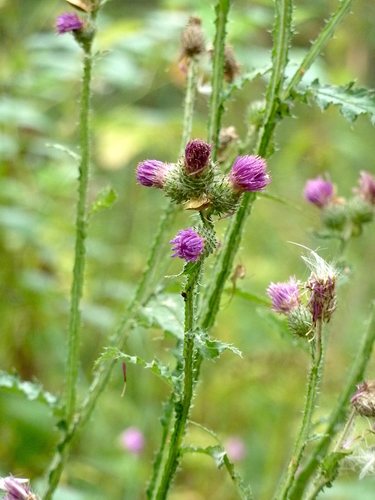
Welted Thistle
Carduus crispus L.
Carduus crispus L. is a thistle native to Eurasia with anti-tumor and pain-relieving properties, often a noxious weed in North America.
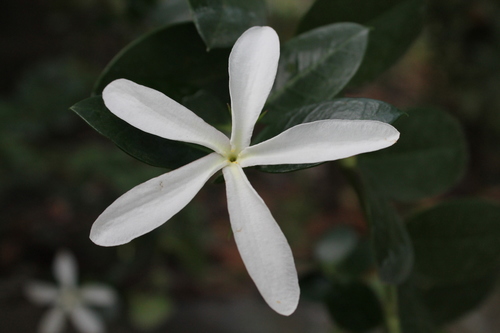
Natal Plum
Carissa macrocarpa (Eckl.) A.DC.
Carissa macrocarpa, or Natal plum, is an African evergreen shrub grown for ornament and its edible fruit.
Start Exploring Nature Today
Download iNature for free. 10 identifications on us. No account needed. No credit card required.
Download Free on App Store
