Poisonous & Toxic Species
Never touch, taste, or consume any species you cannot positively identify. This guide is for educational purposes only. When in doubt, consult a local expert. Use the iNature app for quick AI-powered identification in the field.
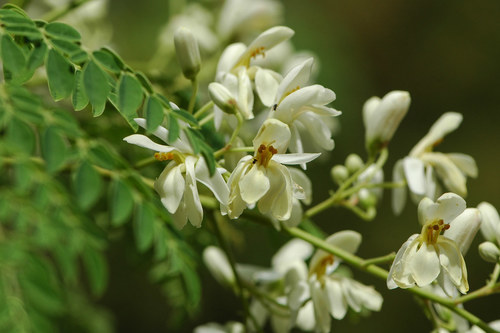
Moringa tree
Moringa oleifera Lam.
Moringa oleifera Lam. is a deciduous tree cultivated for food, water purification, and other uses, with limited human toxicity data.
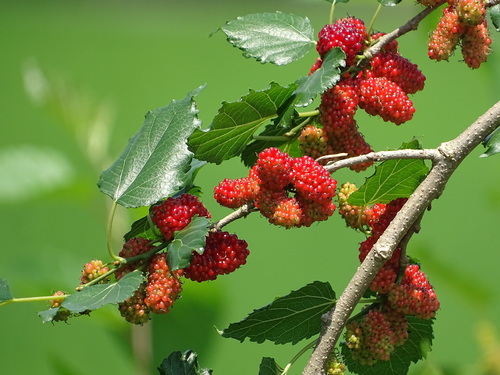
white mulberry
Morus alba L.
Morus alba L. (white mulberry) is a widely cultivated tree native to China and India, known for the fastest plant movement on Earth.
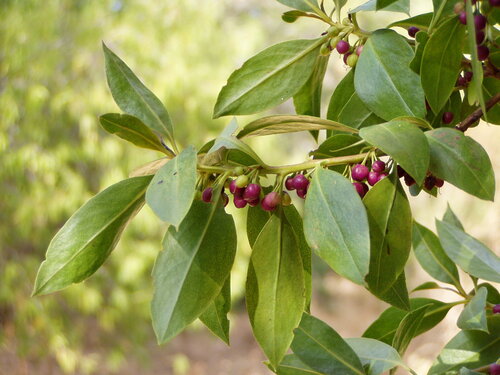
Ngaio
Myoporum laetum G.Forst.
Myoporum laetum, or ngaio, is a New Zealand evergreen tree that contains a liver toxin and has traditional and historical uses.
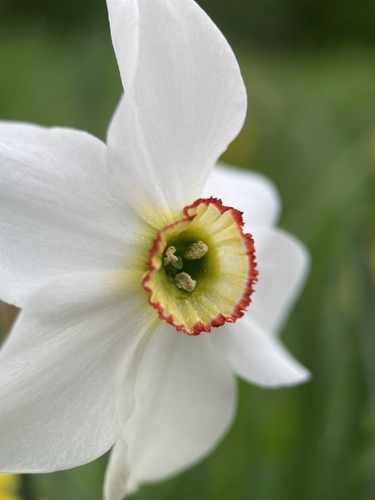
Poet's Narcissus
Narcissus poeticus L.
Narcissus poeticus L. (poet's daffodil) is a fragrant wild daffodil with uses in perfume and medicine, that is toxic if eaten.
peppervine
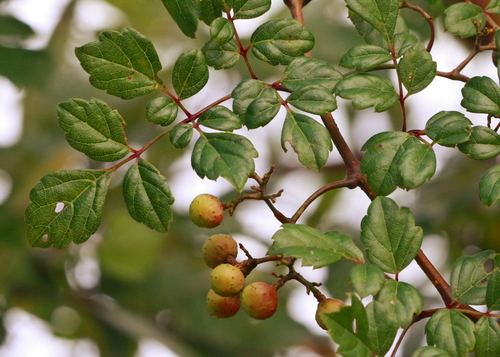
Nekemias arborea (L.) J.Wen & Boggan
Nekemias arborea is a deciduous to semi-evergreen vining plant grown ornamentally, whose fruit attracts wildlife but may be poisonous to humans.
Sacred Lotus
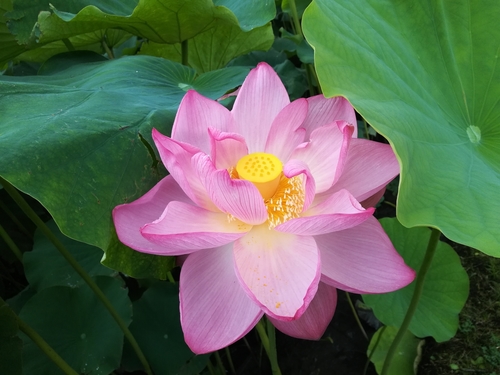
Nelumbo nucifera Gaertn.
Nelumbo nucifera Gaertn. (sacred lotus) is an edible, culturally significant aquatic perennial with diverse traditional, commercial, and environmental uses.
oleander
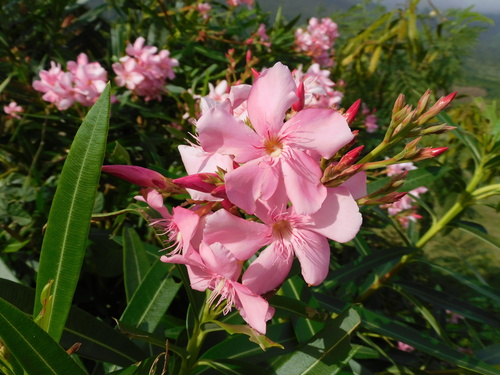
Nerium oleander L.
Nerium oleander L., or oleander, is a widespread toxic ornamental shrub detailed for its morphology, distribution, ecology, and toxicity.
Mākole
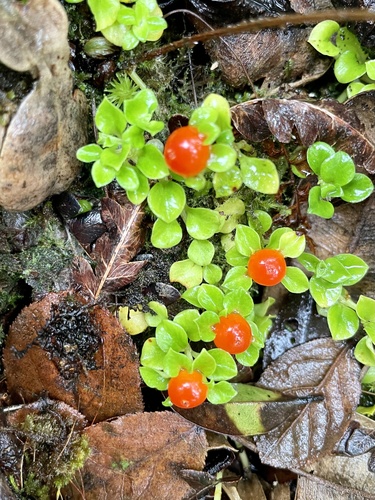
Nertera granadensis (Mutis ex L.f.) Druce
Nertera granadensis is an ornamental Rubiaceae plant with orange berries distributed around the Pacific, with mild toxicity reported from child ingestion cases.
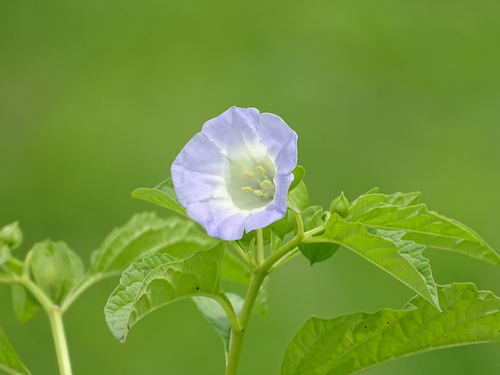
apple-of-Peru
Nicandra physalodes (L.) Gaertn.
Nicandra physalodes is an annual solanaceous plant native to western South America, with conflicting records of toxicity, medicinal and culinary uses.
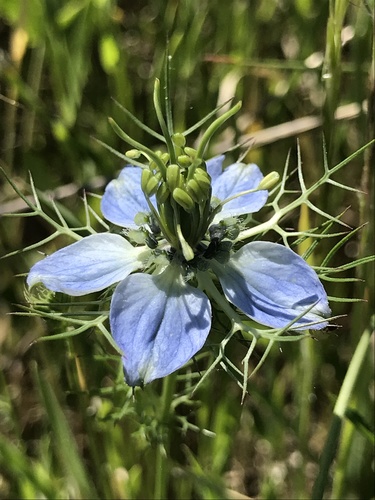
love-in-a-mist
Nigella damascena L.
Nigella damascena L. is an ornamental garden plant in the buttercup family, widely grown in temperate regions for its varied colorful flowers.
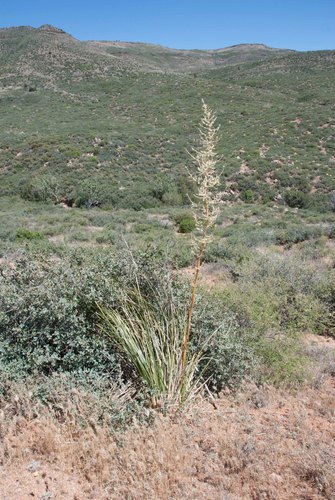
sacahuista
Nolina microcarpa S.Watson
Nolina microcarpa, or sacahuista, is a flowering asparagus family plant native to the US Southwest and northern Mexico with human and wildlife uses and some toxicity to livestock.
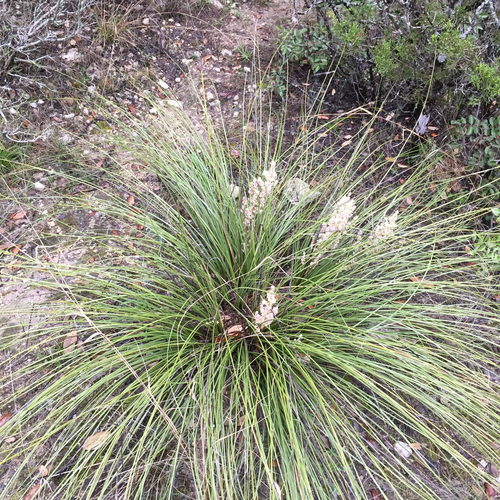
Texas Sacahuiste
Nolina texana S.Watson
Nolina texana is an acaulescent grass-like plant widely cultivated as a garden ornamental, reported to be phototoxic to animals.
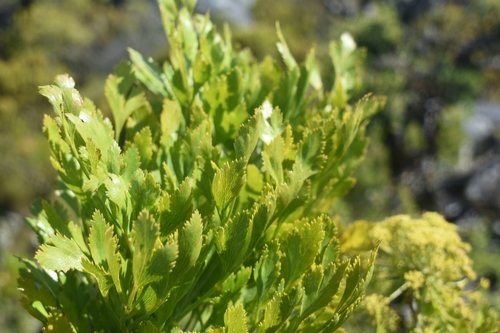
Blisterbush
Notobubon galbanum (L.) Magee
Notobubon galbanum, the blister bush, is a toxic South African Apiaceae plant that causes phytophotodermatitis on contact.
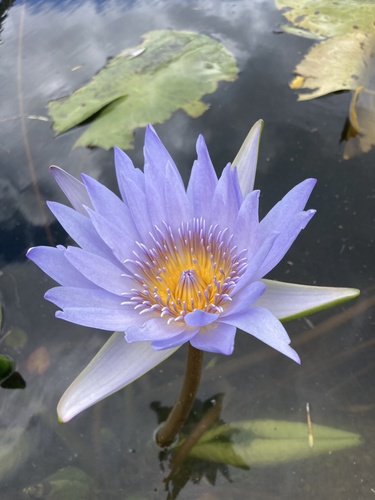
Day Waterlily
Nymphaea nouchali Burm.fil.
Nymphaea nouchali is an aquatic water lily used for decoration, medicine, and food across parts of Asia, Australia, and Africa.
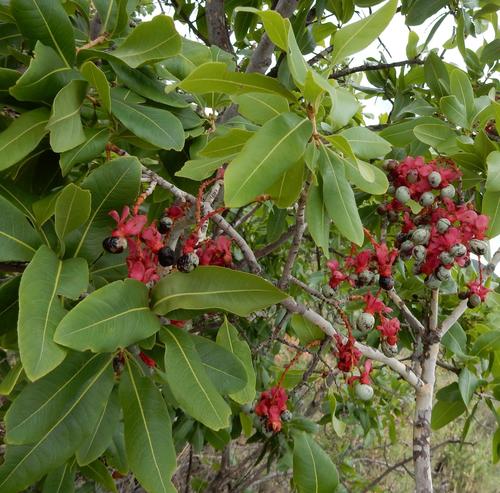
peeling plane
Ochna pulchra Hook.
Ochna pulchra Hook. is a distinctively barked African tree that indicates Gifveld containing toxic Dichapetalum cymosum.
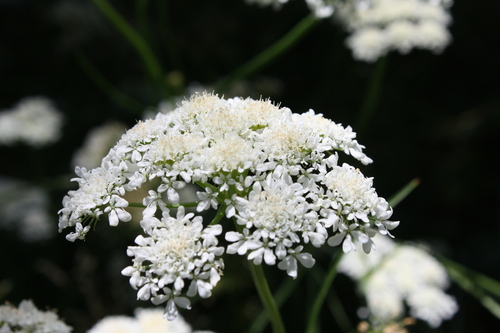
Corky-fruited Water-dropwort
Oenanthe pimpinelloides L.
Oenanthe pimpinelloides (corky-fruited water-dropwort) is a European perennial umbellifer that can be weedy outside its native range and is eaten locally in Turkey.
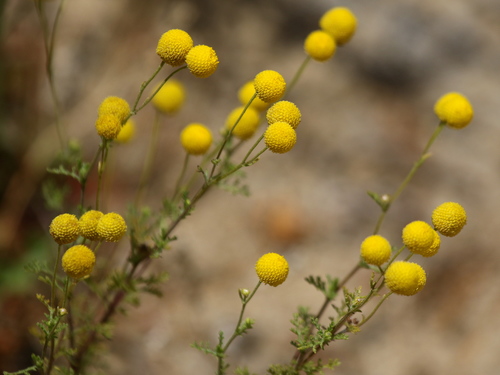
stinknet
Oncosiphon pilulifer (L.fil.) Källersjö
Oncosiphon pilulifer, or globe chamomile, is a strong-scented annual native to southern Africa that can cause allergic reactions.
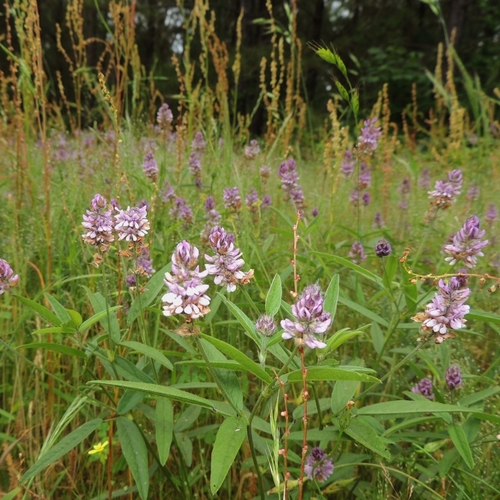
Sampson's snakeroot
Orbexilum pedunculatum (Mill.) Rydb.
Orbexilum pedunculatum is a herbaceous perennial pea family plant native to the US Southeast, with traditional Cherokee medicinal uses.
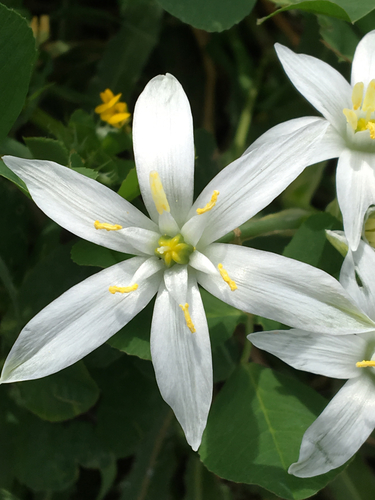
common star-of-Bethlehem
Ornithogalum umbellatum L.
Ornithogalum umbellatum is a toxic bulbous geophyte used as an ornamental, with traditional culinary and medicinal uses.
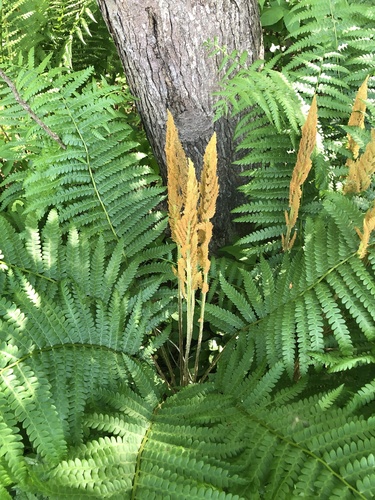
cinnamon fern
Osmundastrum cinnamomeum (L.) C.Presl
Osmundastrum cinnamomeum, the cinnamon fern, is a widespread deciduous fern with edible and medicinal uses, native across Americas and Asia.
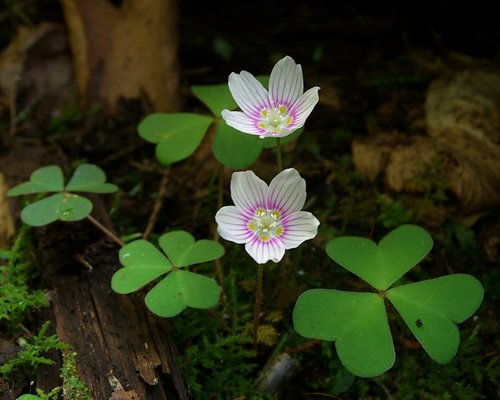
mountain woodsorrel
Oxalis montana Raf.
Oxalis montana Raf. is a shade-tolerant perennial climax forest herb with edible sour leaves and edible foliage that contains toxic oxalic acid in large amounts.
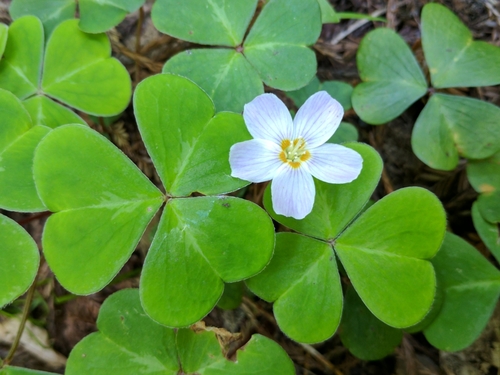
Oregon woodsorrel
Oxalis oregana Nutt. ex Torr. & A.Gray
Oxalis oregana is a short herbaceous perennial woodland plant native to the Pacific Northwest, with edible leaves that contain mild oxalic acid.
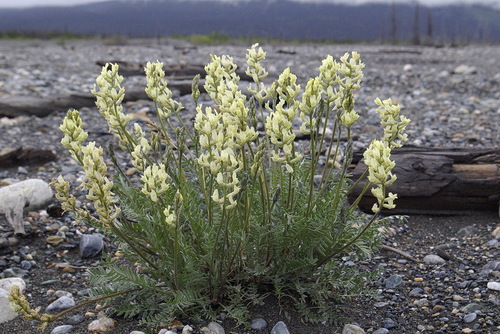
field locoweed
Oxytropis campestris (L.) DC.
This is a description of poisonous perennial legume Oxytropis campestris, also known as field locoweed.
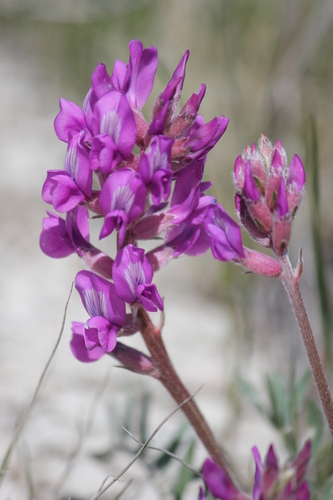
Lambert's Locoweed
Oxytropis lambertii Pursh
Oxytropis lambertii is a North American prairie locoweed, common in cases of swainsonine-caused livestock poisoning.
Start Exploring Nature Today
Download iNature for free. 10 identifications on us. No account needed. No credit card required.
Download Free on App Store
