Poisonous & Toxic Species
Never touch, taste, or consume any species you cannot positively identify. This guide is for educational purposes only. When in doubt, consult a local expert. Use the iNature app for quick AI-powered identification in the field.
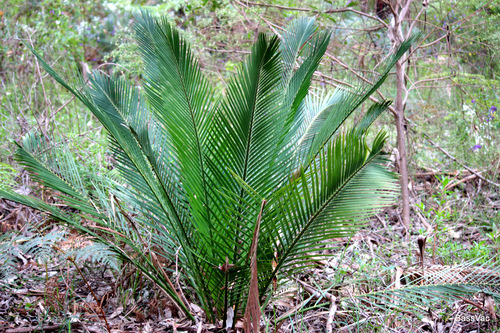
Zamia Palm
Macrozamia riedlei (Gaudich.) C.A.Gardner
Macrozamia riedlei is a common endemic cycad of southern Western Australia with toxic unprepared seeds that are edible after proper processing.
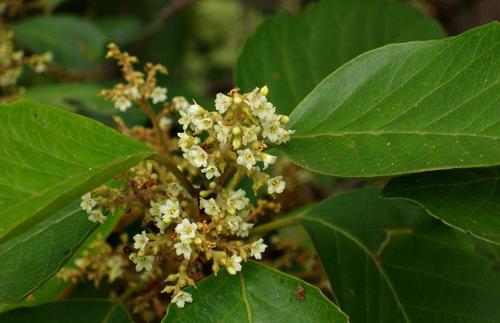
False Assegai
Maesa lanceolata Forssk.
Maesa lanceolata is a toxic shrub or tree from Africa and Arabia with medicinal uses.
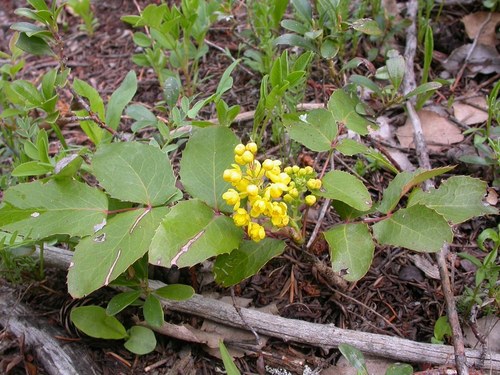
creeping mahonia
Mahonia repens (Lindl.) G.Don
Mahonia repens, also called creeping grapeholly, is a low evergreen shrub native to western North America, cultivated as a drought-tolerant ground cover.
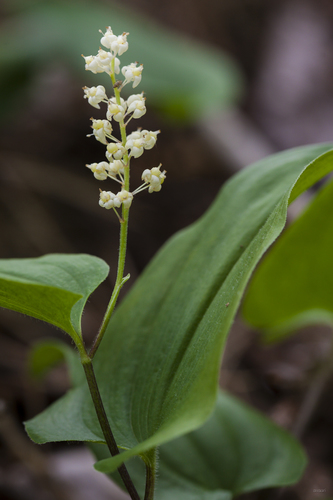
May Lily
Maianthemum bifolium (L.) F.W.Schmidt
Maianthemum bifolium is a four-tepaled understory herb with white flowers and red poisonous berries that grows in shaded, humus-rich sites.
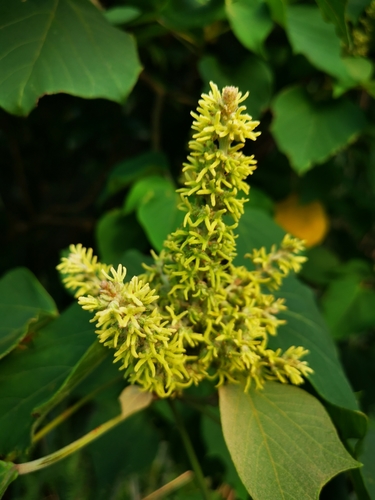
Mallotus
Mallotus japonicus (L.f.) Müll.Arg.
Mallotus japonicus is an East Asian dioecious plant with anti-herbivore traits, edible young leaves, and traditional medicinal uses.
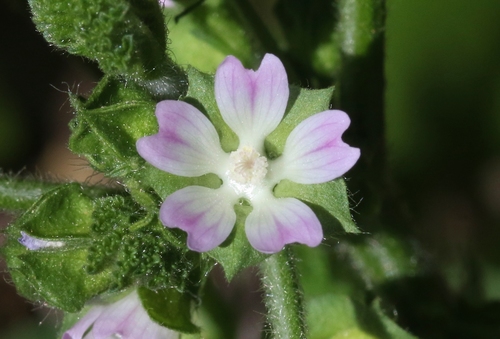
cheeseweed mallow
Malva parviflora L.
Malva parviflora L. is an edible, widely naturalized plant with documented traditional medicinal uses.
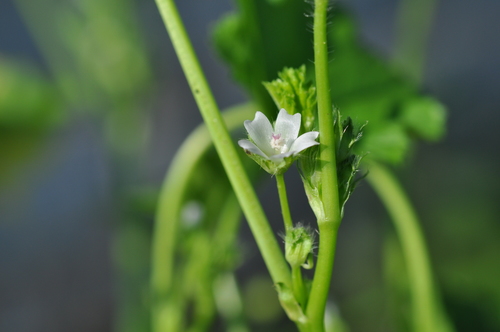
Small Mallow
Malva pusilla Sm.
This is an edible and medicinal flowering plant species, native to Eurasia and invasive to North America, Europe and Korea.
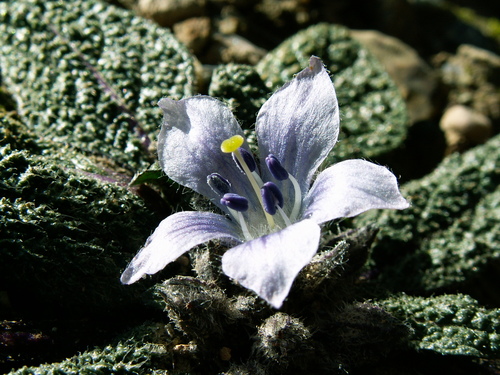
Mediterranean mandrake
Mandragora officinarum L.
Mandragora officinarum L. is a variable toxic Mediterranean perennial herb with a long history of problematic medicinal use.
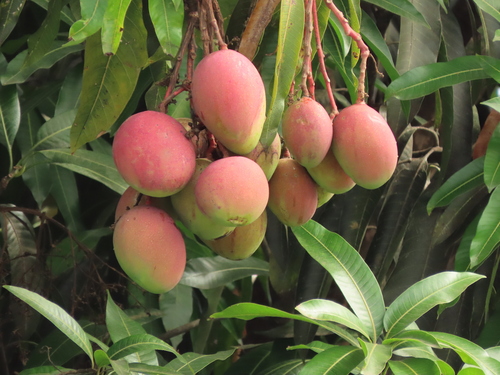
Indian mango
Mangifera indica L.
Mangifera indica (mango) is a large tropical tree grown globally for its popular edible fruit.
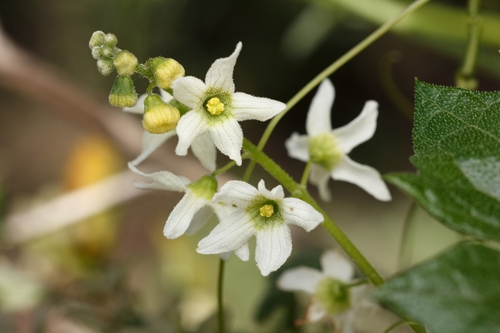
Chilicothe
Marah macrocarpa (Greene) Greene
Marah macrocarpa is a wild California/Mexico vine with a massive tuber, used traditionally by Indigenous peoples, that is toxic to consume.
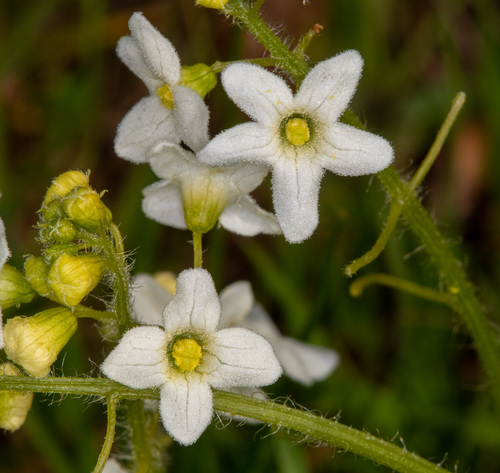
coastal manroot
Marah oregana (Torr. & A.Gray) Howell
Marah oregana is a common toxic northwest North American manroot with various traditional Native American uses.
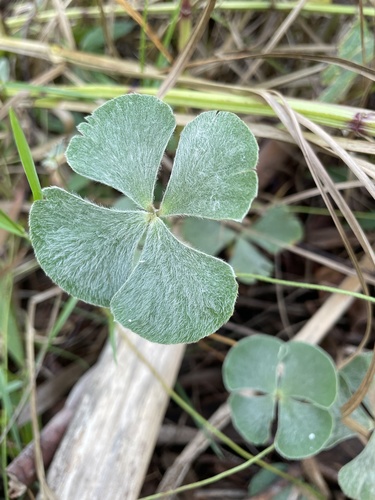
Common Nardoo
Marsilea drummondii A.Braun
Marsilea drummondii, commonly nardoo, is a native Australian aquatic fern with edible but toxic-unless-prepared sporocarps.
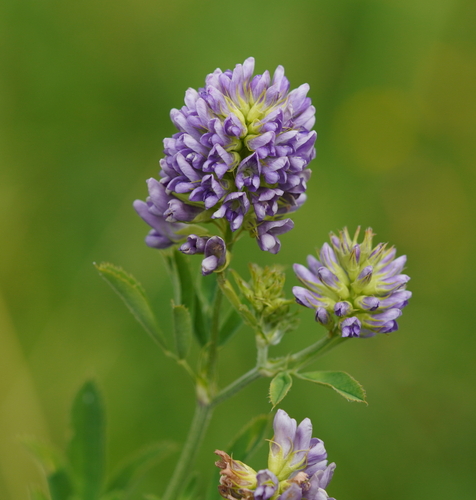
Alfalfa
Medicago sativa L.
Medicago sativa L., alfalfa, is a perennial cultivated forage legume with key agricultural uses and noted food safety concerns.
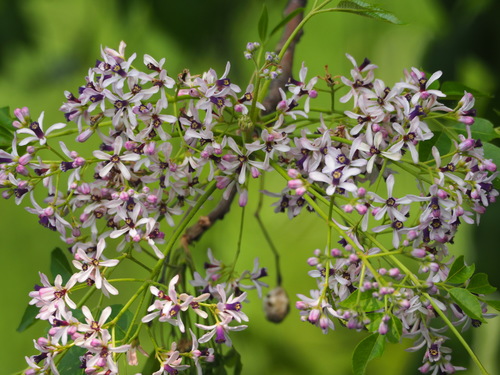
Chinaberry
Melia azedarach L.
Melia azedarach L., the chinaberry tree, is a short-lived ornamental tree with toxic fruit, timber, and medicinal uses.
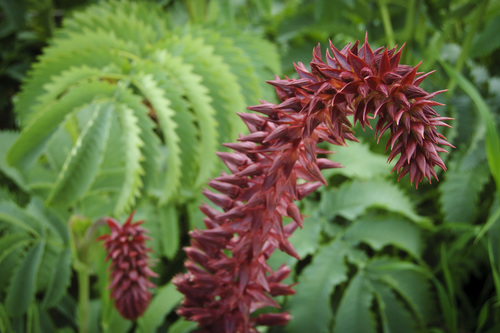
Cape honey flower
Melianthus major L.
Melianthus major is a poisonous evergreen flowering shrub endemic to South Africa, widely grown ornamentally.
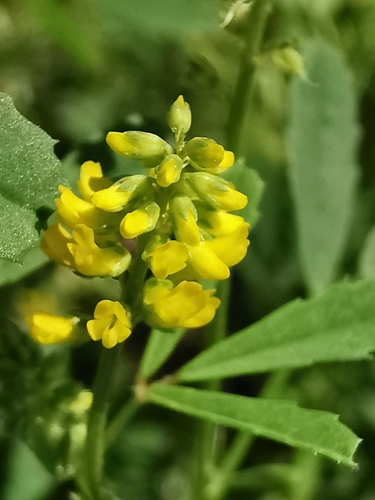
small melilot
Melilotus indicus (L.) All.
Melilotus indicus is a halophytic herb that is used as forage, bee nectar, soil improver, and traditional medicine.

creeping cucumber
Melothria pendula L.
Melothria pendula, the creeping cucumber, is a Benincaseae plant prominent in the Southeastern US with laxative ripe berries.
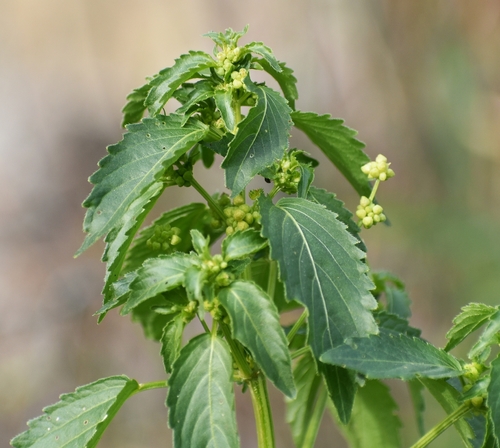
Annual mercury
Mercurialis annua L.
Mercurialis annua, or annual mercury, is a variable annual herb native to the Middle East and Mediterranean that has spread worldwide as a weed.
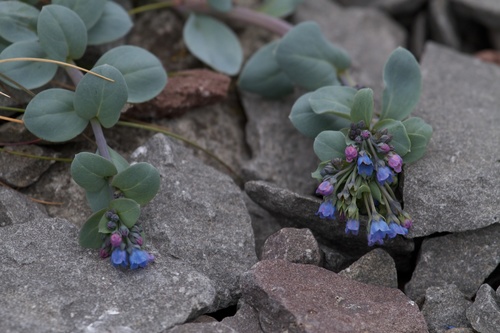
Oysterplant
Mertensia maritima (L.) Gray
Mertensia maritima, the oyster leaf, is an oyster-flavored beach plant native to Northern Europe with cold-dependent seed dormancy.
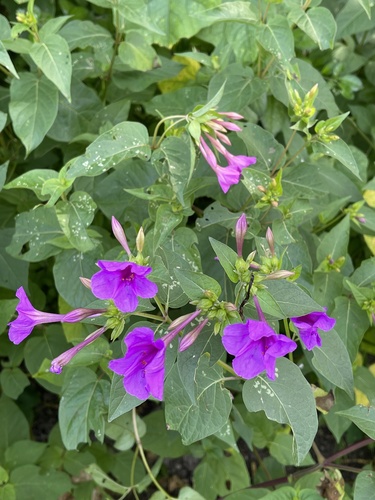
Marvel of Peru
Mirabilis jalapa L.
Mirabilis jalapa (four o'clock flower) is a colorful herbaceous plant native to the Americas, grown ornamentally and used for food coloring and herbal medicine.
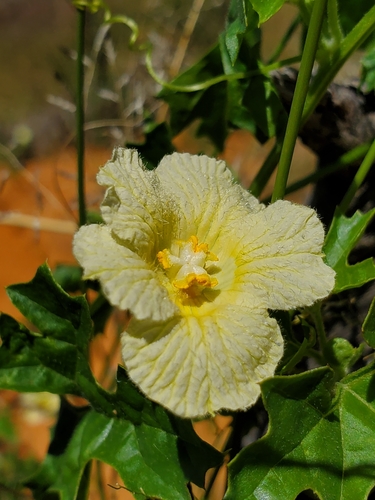
Balsam Apple
Momordica balsamina L.
Momordica balsamina L. is a climbing vine with orange warty fruits, used for food, medicine, soap, and poison across Africa.
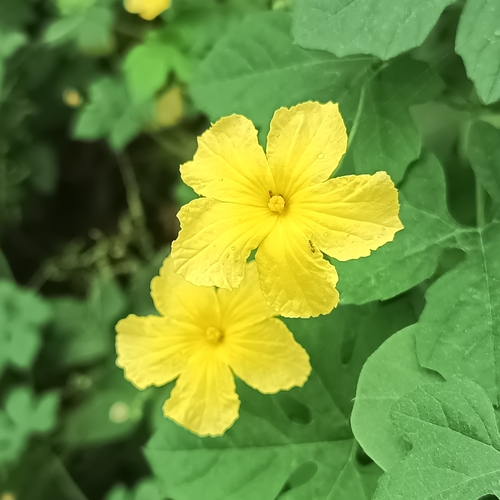
Bitter Melon
Momordica charantia L.
Momordica charantia L., or bitter melon, is a vine grown for its distinctive bitter fruit, with uses in herbal medicine and noted adverse effects.
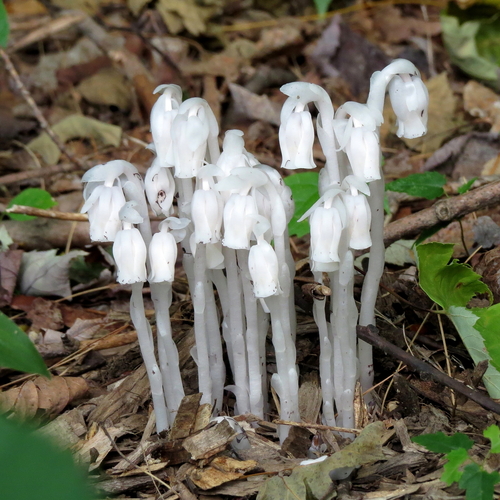
Ghost Pipe
Monotropa uniflora L.
Monotropa uniflora L. is a chlorophyll-free mycoheterotroph that hosts specific Russulaceae fungi, with herbal medicine uses and potential human toxicity.
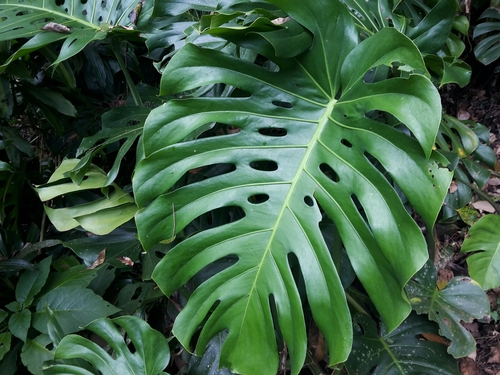
Swiss Cheese Plant
Monstera deliciosa Liebm.
Monstera deliciosa is a popular hemiepiphytic aroid widely grown as an ornamental houseplant, with edible ripe fruit and moderate toxicity to pets.
Start Exploring Nature Today
Download iNature for free. 10 identifications on us. No account needed. No credit card required.
Download Free on App Store
