Poisonous & Toxic Species
Never touch, taste, or consume any species you cannot positively identify. This guide is for educational purposes only. When in doubt, consult a local expert. Use the iNature app for quick AI-powered identification in the field.
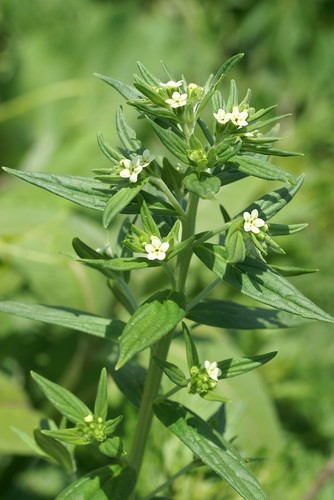
Common Gromwell
Lithospermum officinale L.
Lithospermum officinale L. (common gromwell) is a Eurasian perennial herb with a long history of medicinal and decorative uses.
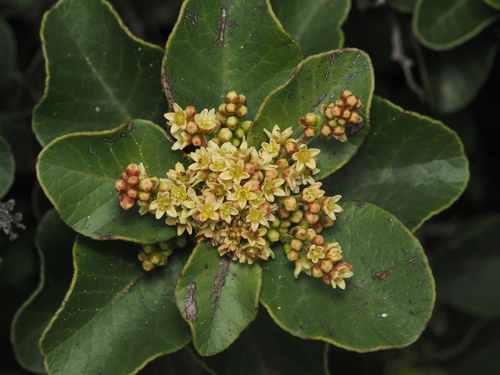
Litre
Lithraea caustica Hook. & Arn.
Lithraea caustica, or litre, is an evergreen matorral shrub or tree native to Central Chile, with drought resistance and toxic properties.

cardinal flower
Lobelia cardinalis L.
Lobelia cardinalis is a toxic North American perennial herb that grows in wet habitats and produces bright red flowers.
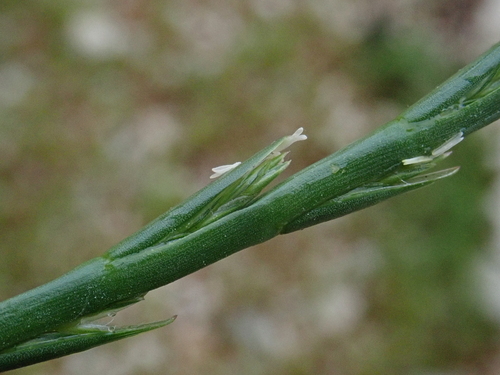
Mediterranean Rye-grass
Lolium rigidum Gaudin
Lolium rigidum Gaudin is an annual grass native to the Mediterranean, grown as forage in Australia but often a damaging invasive weed.
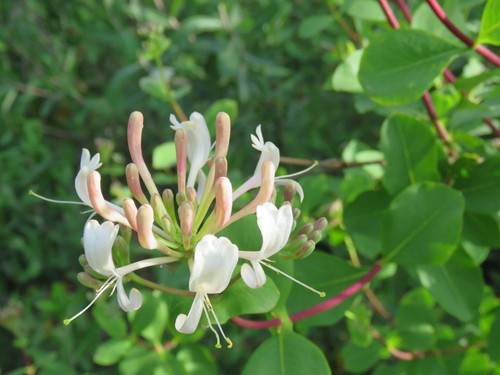
Etruscan Honeysuckle
Lonicera etrusca Santi
Lonicera etrusca Santi is a deciduous poisonous perennial climber grown as an ornamental and for local fodder use.
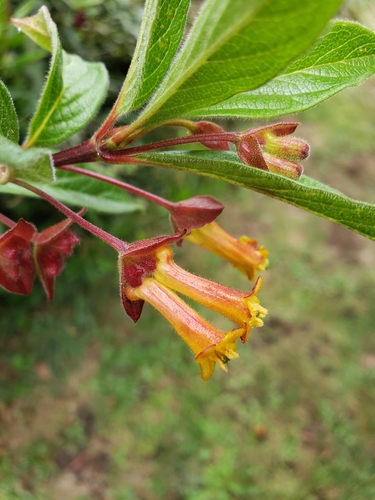
twinberry honeysuckle
Lonicera involucrata (Richards.) Banks ex Spreng.
Lonicera involucrata is a large North American honeysuckle shrub with black berries, used ornamentally, for restoration, and traditionally by Indigenous peoples.
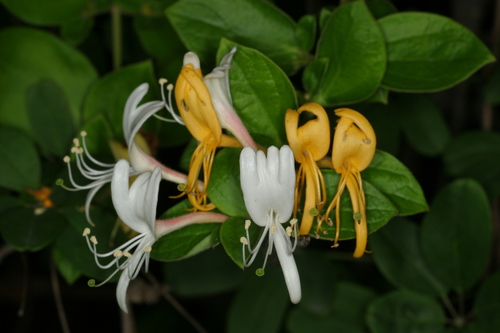
Japanese honeysuckle
Lonicera japonica Thunb.
Lonicera japonica Thunb. is an invasive potentially toxic twining vine with edible sweet flowers used in traditional Chinese medicine.
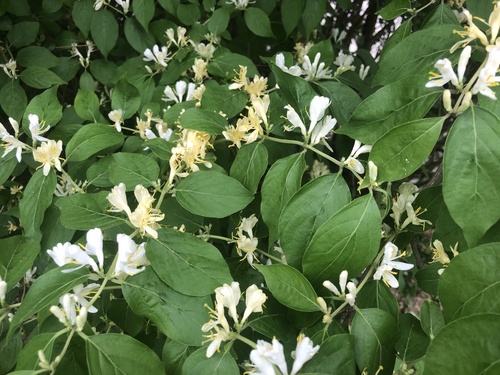
Amur honeysuckle
Lonicera maackii (Rupr.) Maxim.
Lonicera maackii, or Amur honeysuckle, is a large deciduous shrub, cultivated ornamentally but often invasive, with mildly poisonous berries for humans.
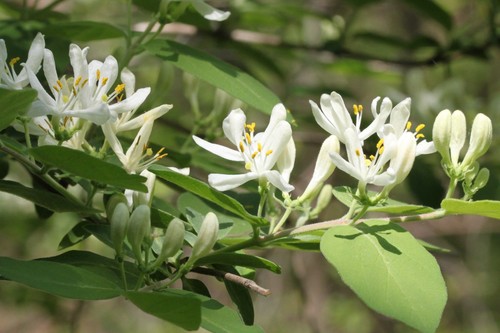
Morrow's honeysuckle
Lonicera morrowii A.Gray
Lonicera morrowii A.Gray is an early-leafing poisonous shrub with white to pale yellow flowers and dark red berries.
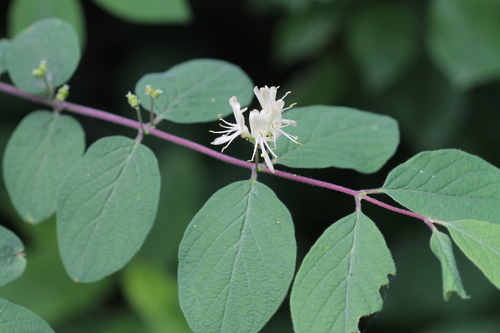
Fly Honeysuckle
Lonicera xylosteum L.
Lonicera xylosteum is a deciduous shrub with mildly poisonous glossy berries.
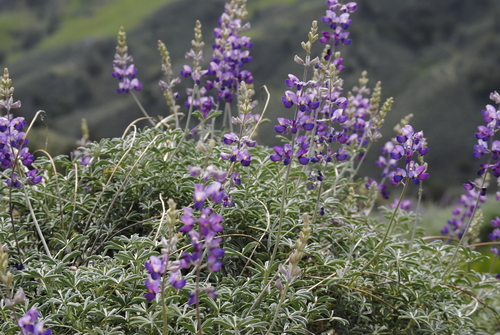
Silver Bush Lupine
Lupinus albifrons Benth.
Lupinus albifrons Benth. is a California perennial lupine shrub with silver feathery leaves and light blue to violet flowers, toxic to livestock.
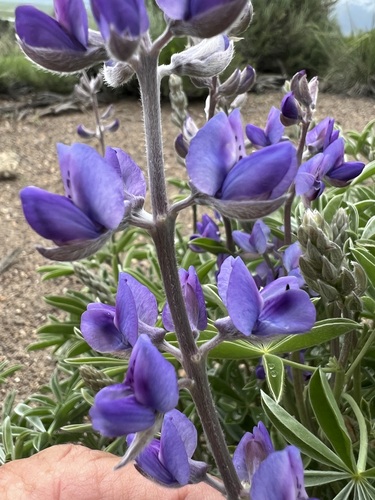
Kellogg's Spurred Lupine
Lupinus caudatus Kellogg
Lupinus caudatus is a cool-season perennial lupine native to western North America that causes crooked calf disease in cattle.
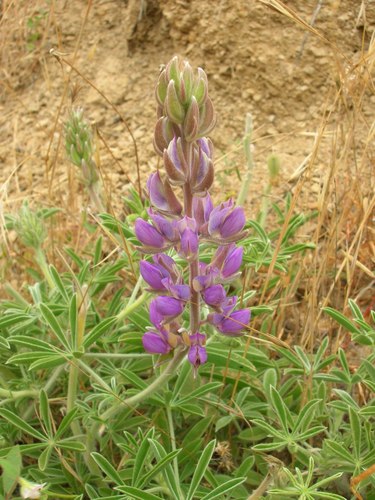
Summer Lupine
Lupinus formosus Greene
Lupinus formosus, the summer lupine, is a toxic native North American lupine linked to livestock birth defects.
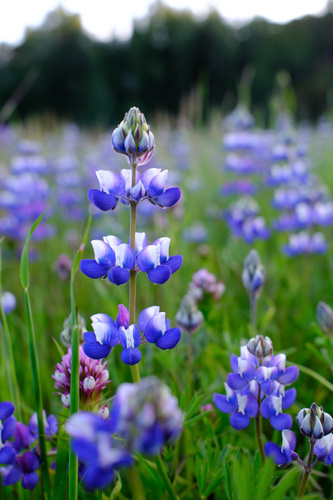
Sky Lupine
Lupinus nanus Douglas ex Benth.
Lupinus nanus is an annual toxic lupine native to the western United States that blooms spring with blue spotted flowers.
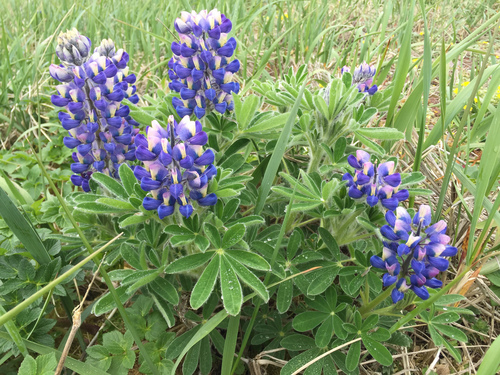
Nootka Lupine
Lupinus nootkatensis Donn ex Sims
Nootka lupine (Lupinus nootkatensis) is a toxic perennial North American legume grown for cool wet gardens.
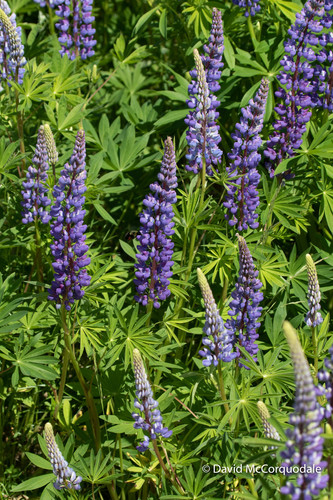
Large-leaved lupine
Lupinus polyphyllus Lindl.
Lupinus polyphyllus is a hardy perennial lupine, used in gardens and as fodder, that can be invasive and toxic.
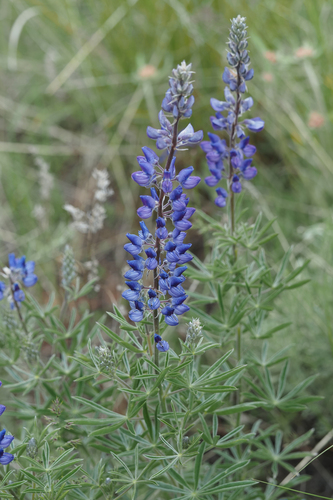
Silky Lupine
Lupinus sericeus Pursh
Lupinus sericeus, silky lupine, is a toxic perennial herb native to western North America.
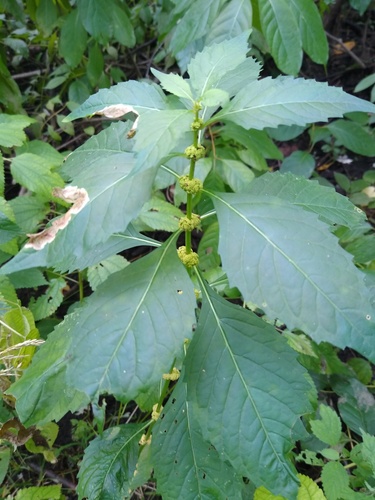
sweet bugleweed
Lycopus virginicus L.
Lycopus virginicus is a North American mint-family perennial herb with a history of traditional herbal medicine uses.
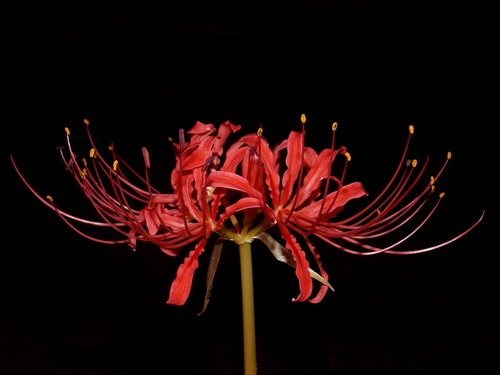
red spider lily
Lycoris radiata (L'Hér.) Herb.
Lycoris radiata, also called red spider lily, is an East Asian bulbous perennial with toxic bulbs and medicinal uses, widely grown as an ornamental.
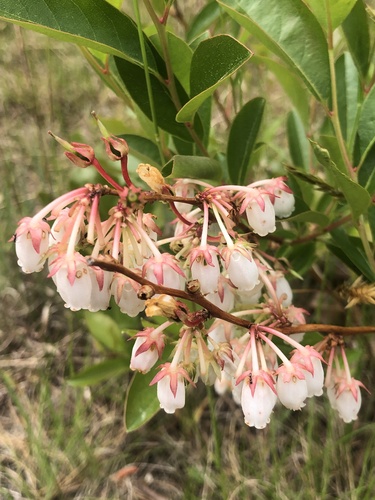
staggerbush
Lyonia mariana (L.) D.Don
Lyonia mariana, or Piedmont Staggerbush, is a toxic evergreen southeastern US native shrub valued in landscaping and historically used by the Cherokee.
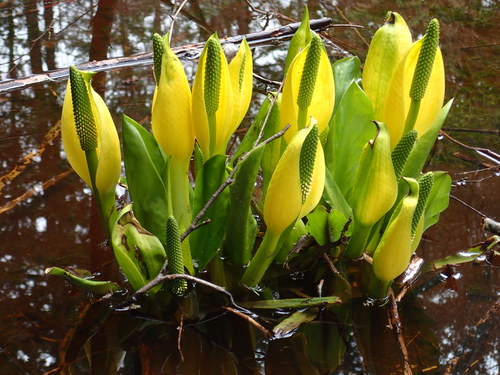
western skunk cabbage
Lysichiton americanus Hultén & H.St.John
Lysichiton americanus is a large rhizomatous flowering herb native to western North America, and invasive in Europe.
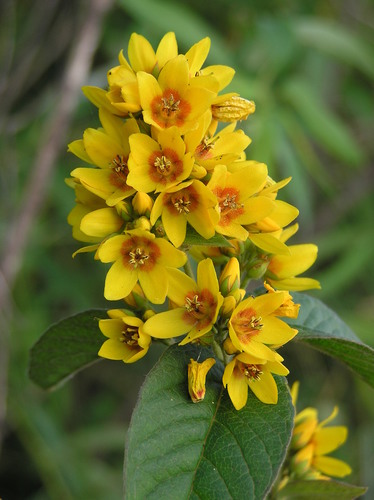
Yellow Loosestrife
Lysimachia vulgaris L.
Lysimachia vulgaris (yellow loosestrife) is a tall perennial herb native to Eurasia and North Africa, introduced to North America as an ornamental.
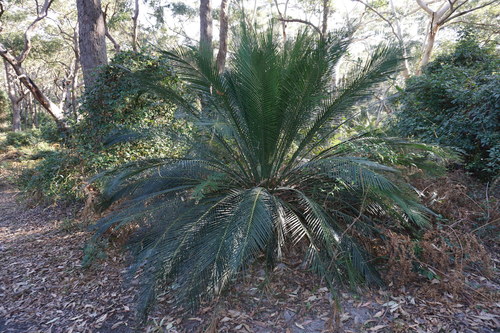
burrawang
Macrozamia communis L.A.S.Johnson
Macrozamia communis, commonly called burrawang, is an Australian cycad found in New South Wales that is not considered at risk.
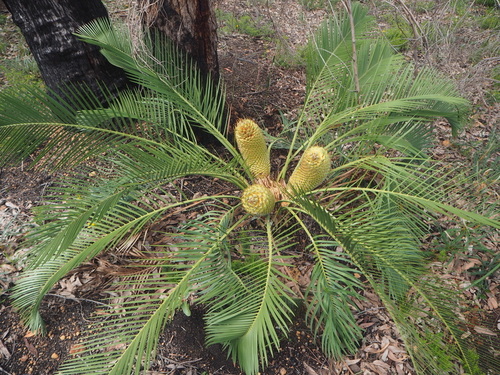
sandplain zamia
Macrozamia fraseri Miq.
Macrozamia fraseri Miq. is a variable, slow-growing dioecious cycad that grows on sand in low heath and contains toxic cycasins.
Start Exploring Nature Today
Download iNature for free. 10 identifications on us. No account needed. No credit card required.
Download Free on App Store
