Poisonous & Toxic Species
Never touch, taste, or consume any species you cannot positively identify. This guide is for educational purposes only. When in doubt, consult a local expert. Use the iNature app for quick AI-powered identification in the field.
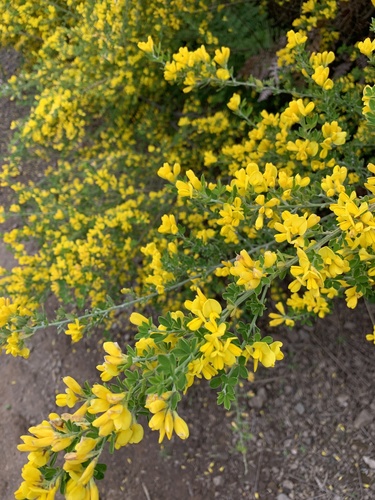
French broom
Genista monspessulana (L.) L.A.S.Johnson
Genista monspessulana (French broom) is a leguminous shrub native to the Mediterranean region that becomes an invasive noxious weed elsewhere.
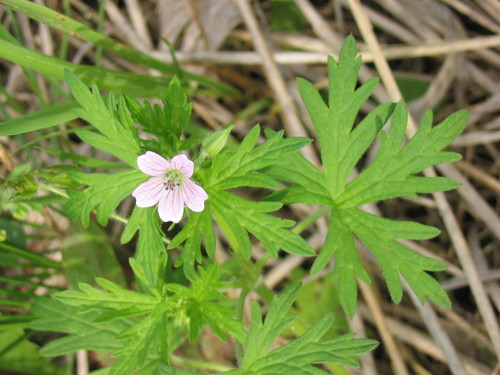
Northern Cranesbill
Geranium bicknellii Britton
Geranium bicknellii (Bicknell's cranesbill) is a fire-adapted northern North American geranium with leaf similarity to toxic ranunculids.
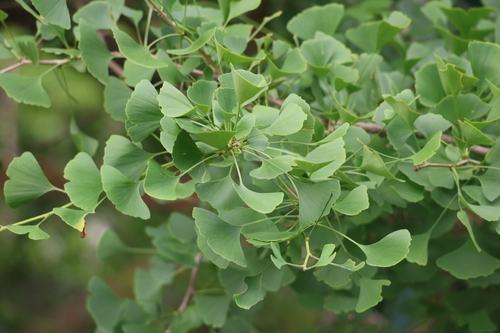
ginkgo
Ginkgo biloba L.
Ginkgo biloba L. is a long-lived dioecious tree species, widely cultivated with documented medicinal uses and toxicity risks.
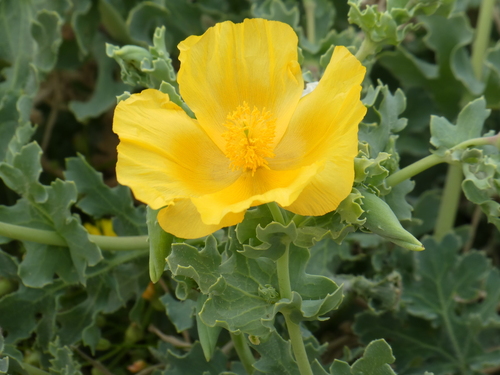
Yellow Horned Poppy
Glaucium flavum Crantz
Glaucium flavum is a toxic coastal flowering plant that produces the alkaloid glaucine used medically as an antitussive.
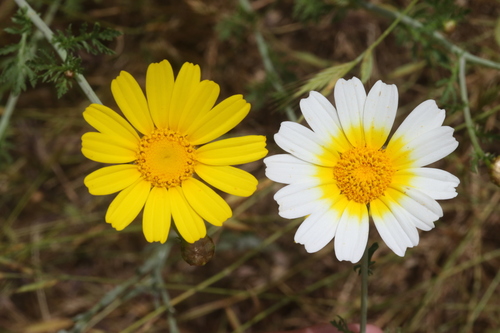
Garland Daisy
Glebionis coronaria (L.) Tzvelev
Glebionis coronaria, or garland chrysanthemum, is an edible annual leafy herb widely used across Asian and Greek cuisines.
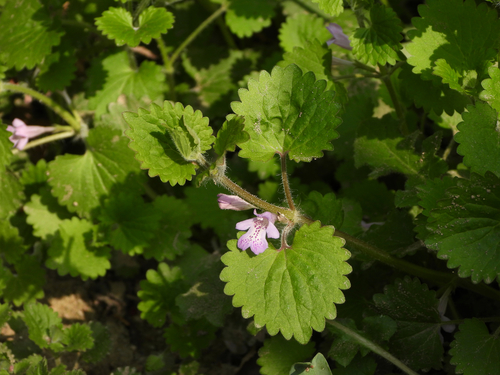
Glechoma hederacea L.
Glechoma hederacea L.
Glechoma hederacea L. is a variable low-growing mint that is invasive outside its native range, with historical edible and medicinal uses.
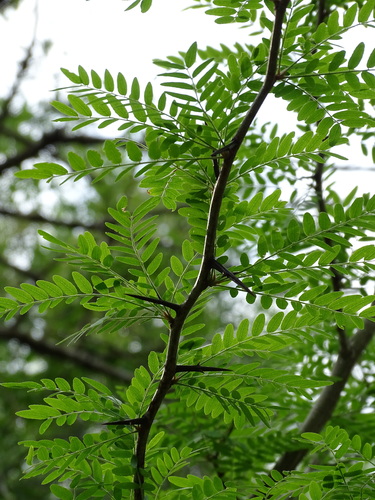
honey locust
Gleditsia triacanthos L.
Gleditsia triacanthos, or honey locust, is a deciduous tree native to central North America that is widely cultivated and has edible sweet pulp.
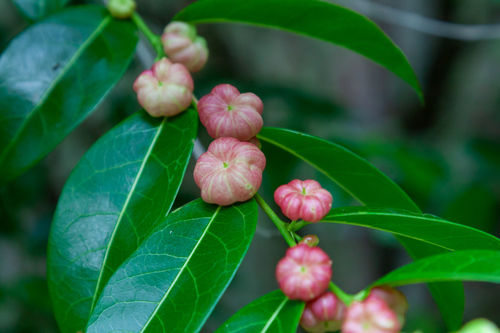
Cheese Tree
Glochidion ferdinandi (Müll.Arg.) F.M.Bailey
Glochidion ferdinandi, the cheese tree, is a woody shrub or small tree native to eastern Australia.
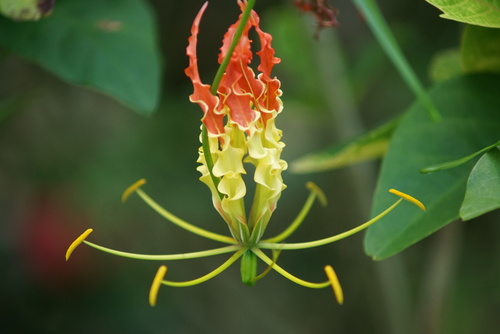
flame lily
Gloriosa superba L.
Gloriosa superba L. is a climbing poisonous perennial plant widely used in traditional medicine, and it is the national flower of Zimbabwe.
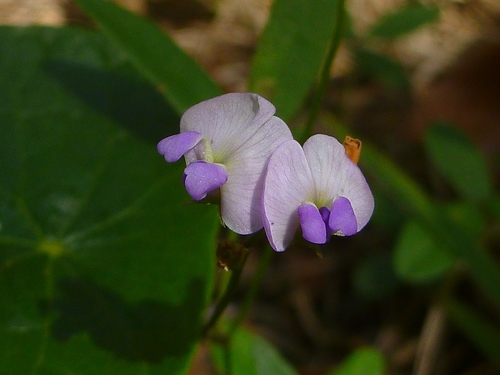
Glycine Pea
Glycine tabacina (Labill.) Benth.
Glycine tabacina is a perennial legume with traditional and studied medicinal uses native to Australia and parts of Asia and the Pacific.
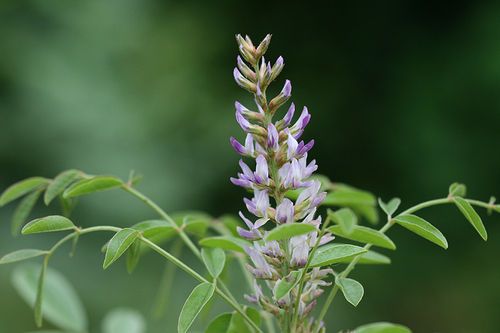
cultivated licorice
Glycyrrhiza glabra L.
Glycyrrhiza glabra L. (liquorice) is an herbaceous perennial cultivated worldwide for its flavoured roots used in food and herbal products.
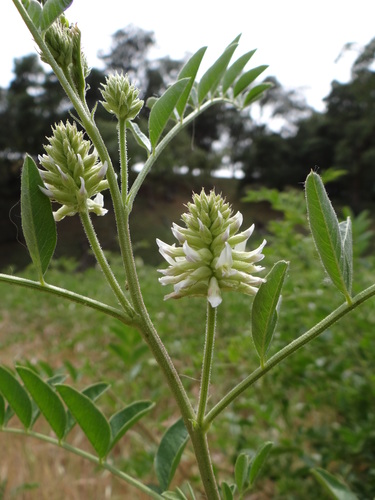
Wild Licorice
Glycyrrhiza lepidota Pursh
Glycyrrhiza lepidota, or American licorice, is a North American Fabaceae species with sweet roots used for medicine and flavoring.
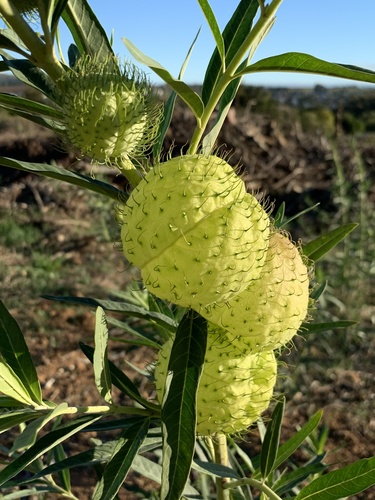
balloonplant
Gomphocarpus physocarpus E.Mey.
Gomphocarpus physocarpus is a perennial herb that serves as food for Danaus butterfly caterpillars and has traditional human uses.
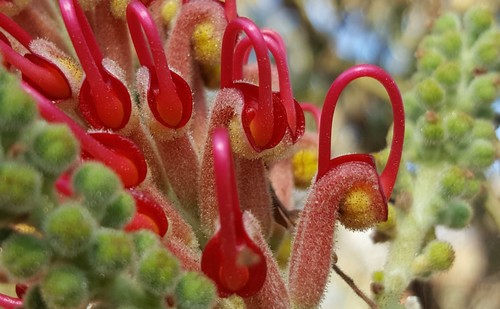
Scarlet Grevillea
Grevillea banksii R.Br.
Grevillea banksii is a cultivated Australian shrub/tree that is toxic and invasive in some introduced regions.
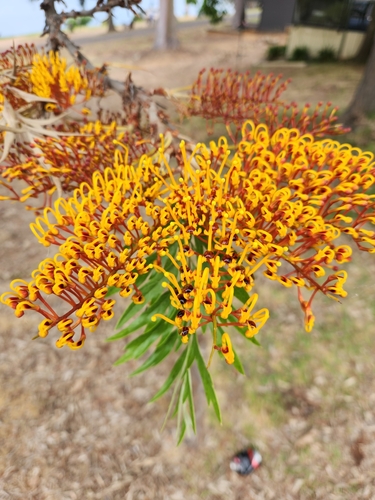
silk oak
Grevillea robusta A.Cunn. ex R.Br.
Grevillea robusta is a fast-growing evergreen Australian tree with known toxicity, multiple uses, and invasive status in some regions.
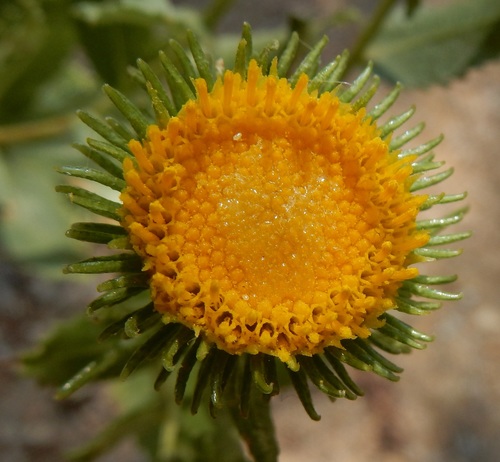
curlytop gumweed
Grindelia nuda Alph.Wood
Grindelia nuda Alph.Wood, also called curlycup gumweed, is a North American resinous plant with medicinal and potential biofuel uses.
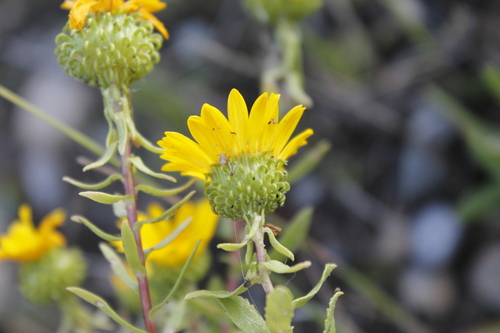
Curlycup Gumweed
Grindelia squarrosa (Pursh) Dunal
Grindelia squarrosa, also called curlycup gumweed, is a North American resinous plant with medicinal uses and potential as biofuel.
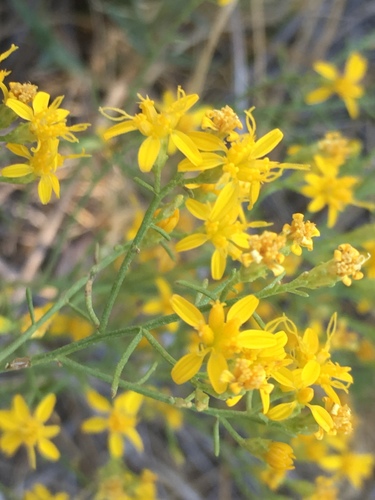
Broom Snakeweed
Gutierrezia sarothrae (Pursh) Britton & Rusby
Gutierrezia sarothrae is a drought-tolerant North American perennial subshrub with recorded traditional uses and toxicity to some livestock.
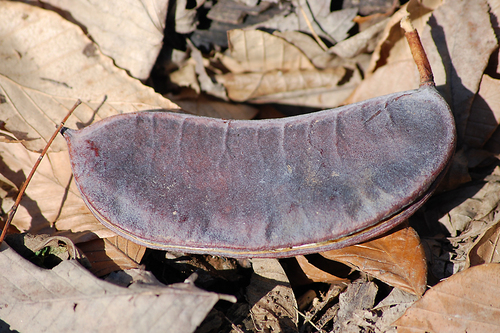
Kentucky coffeetree
Gymnocladus dioicus (L.) K.Koch
Gymnocladus dioicus, the Kentucky coffeetree, is a rare dioecious legume tree planted ornamentally in urban areas.
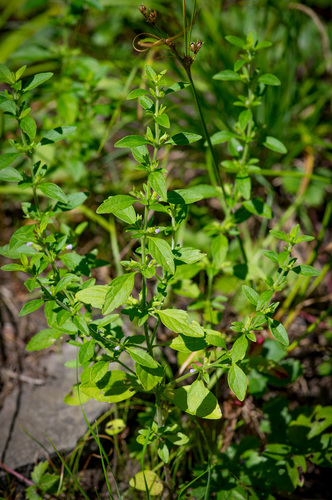
American pennyroyal
Hedeoma pulegioides (L.) Pers.
Hedeoma pulegioides is an aromatic annual mint relative native to eastern North America, with traditional and current insect repellent and medicinal uses.
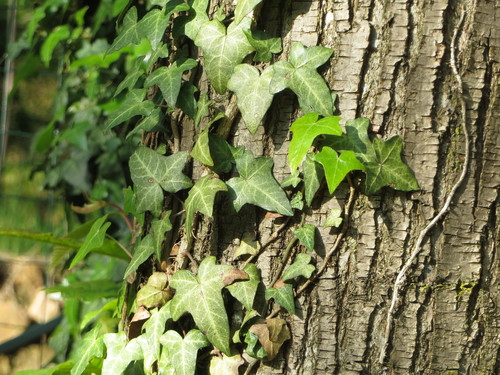
common ivy
Hedera helix L.
Hedera helix L., common ivy, is an evergreen climbing plant with ornamental, therapeutic, and ecological value.
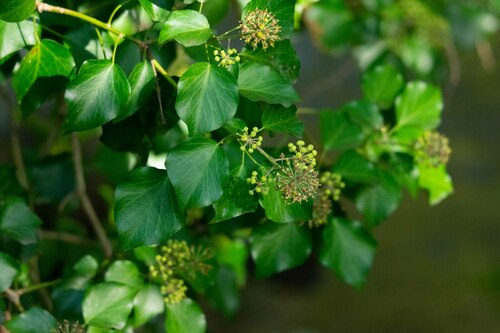
Atlantic Ivy
Hedera hibernica Poit.
Hedera hibernica is an evergreen climbing ivy that is garden-grown and invasive in some introduced regions.
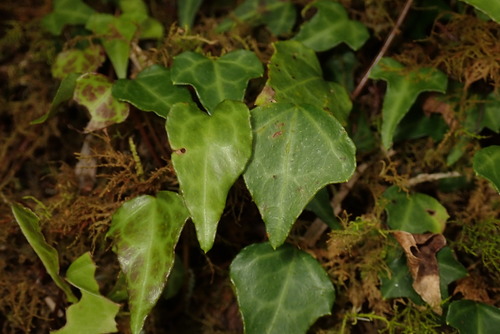
Japanese Ivy
Hedera rhombea (Miq.) Bean
Hedera rhombea is an evergreen climbing ivy with rhombic leaves, poisonous stems, cultivated for gardens and floral arrangements.
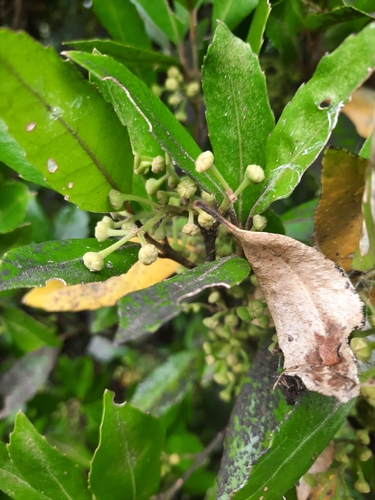
Pigeonwood
Hedycarya arborea J.R.Forst. & G.Forst.
Hedycarya arborea, pigeonwood, is a New Zealand-endemic dioecious tree classified as Not Threatened, used traditionally by Māori.
Start Exploring Nature Today
Download iNature for free. 10 identifications on us. No account needed. No credit card required.
Download Free on App Store
