All Species Plantae

Hedera rhombea (Miq.) Bean is a plant in the Araliaceae family, order Apiales, kingdom Plantae. Toxic/Poisonous.

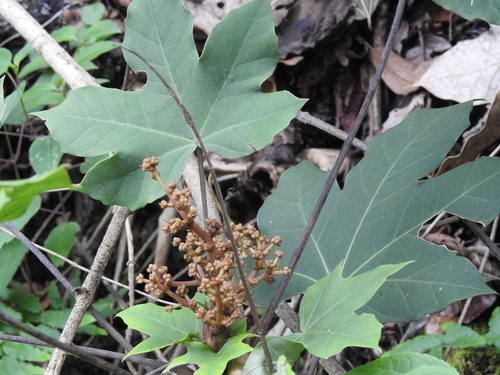
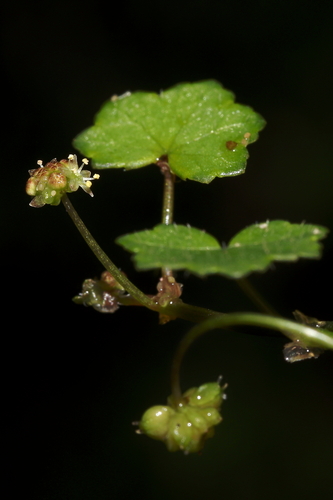
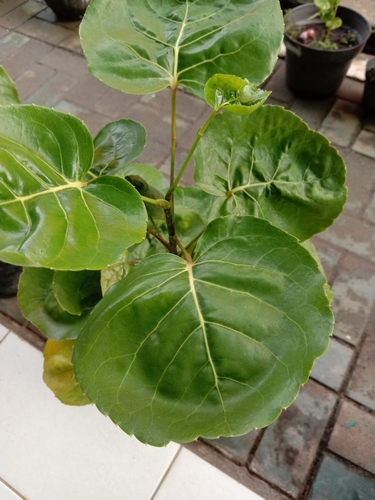
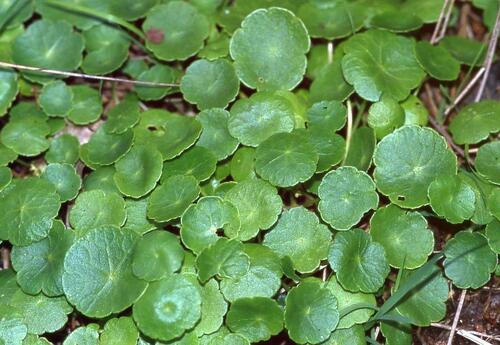
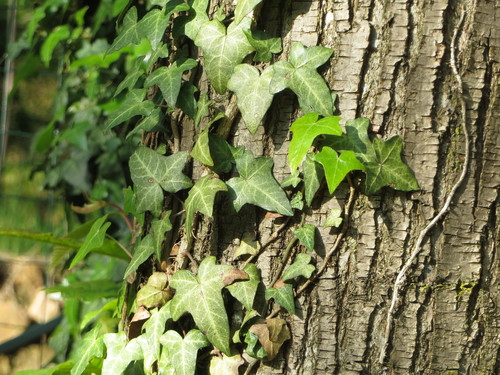
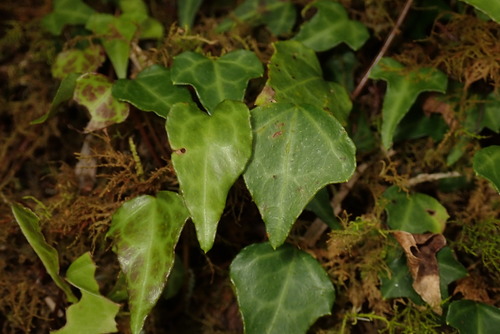
Photo of Hedera rhombea (Miq.) Bean (Hedera rhombea (Miq.) Bean)
Plantae ⚠️ Poisonous 🌿 Edible

Hedera rhombea (Miq.) Bean

Hedera rhombea (Miq.) Bean

Hedera rhombea is an evergreen climbing ivy with rhombic leaves, poisonous stems, cultivated for gardens and floral arrangements.

Identify with AI — Offline
Family
Genus
Hedera
Order
Apiales
Class
Magnoliopsida

⚠️ Is Hedera rhombea (Miq.) Bean Poisonous?

Yes, Hedera rhombea (Miq.) Bean (Hedera rhombea (Miq.) Bean) is classified as poisonous or toxic. Toxicity risk detected (mainly via contact and ingestion); avoid direct contact and ingestion. Never consume or handle this species without proper identification by an expert.

About Hedera rhombea (Miq.) Bean

Taxonomic Identity and Growth Habit

Hedera rhombea (Miq.) Bean is an evergreen climbing plant. Where suitable vertical surfaces such as trees, cliffs, and walls are available, it can grow up to 10 meters high. When no vertical surfaces are present, it grows as ground cover instead.

Climbing Mechanism

It climbs by using aerial rootlets that cling to the substrate it grows on.

Stem Characteristics and Toxicity

Its stems are green; eating them is poisonous, and they contain an irritating sap.

Human Uses

This species is cultivated for garden use and employed in floral arrangements.

Leaf Morphology

Its leaves are medium green, shaped like a rhombic diamond — this characteristic gives the species its specific epithet, rhombea. Its leaf petioles are glossy and dark green.

Flower Characteristics

The bisexual flowers of Hedera rhombea measure 4–5 mm in diameter, are yellow-green in color, and are arranged in erect umbels.

Fruit Characteristics

Ripe fruits of this plant are round and black.
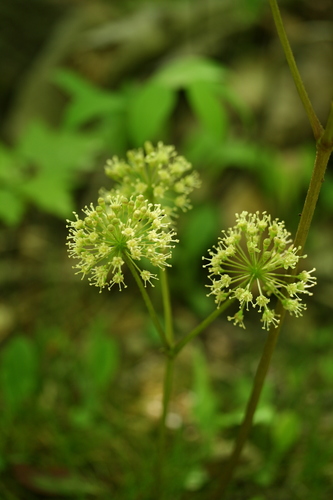
Photo: (c) Liu JimFood, some rights reserved (CC BY-NC), uploaded by Liu JimFood · cc-by-nc

Taxonomy

Plantae Tracheophyta Magnoliopsida Apiales Araliaceae Hedera
⚠️ View all poisonous species →

More from Araliaceae

Sources: GBIF, iNaturalist, Wikipedia, NCBI Taxonomy · Disclaimer

Start Exploring Nature Today

Download iNature for free. 10 identifications on us. No account needed. No credit card required.

App Store
Scan to download from App Store

Scan with iPhone camera

Google Play
Scan to download from Google Play

Scan with Android camera