Poisonous & Toxic Species
Never touch, taste, or consume any species you cannot positively identify. This guide is for educational purposes only. When in doubt, consult a local expert. Use the iNature app for quick AI-powered identification in the field.
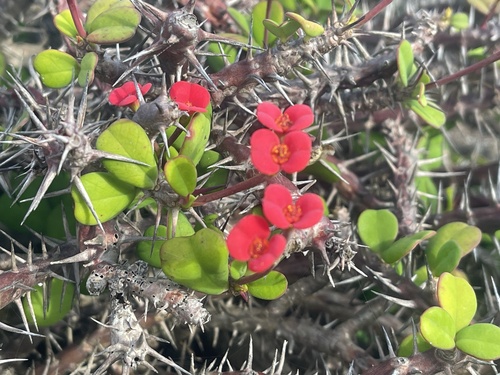
Crown-of-Thorns
Euphorbia milii Des Moul.
Euphorbia milii, the Christ thorn, is a spiny succulent shrub grown ornamentally with moderately toxic sap.
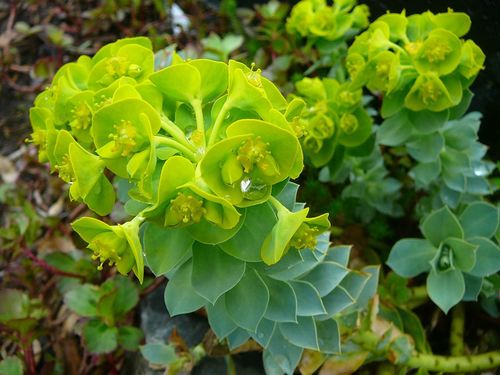
Donkey Tail
Euphorbia myrsinites L.
Euphorbia myrsinites (myrtle spurge) is an evergreen perennial, toxic, cultivated as an ornamental drought-tolerant plant.
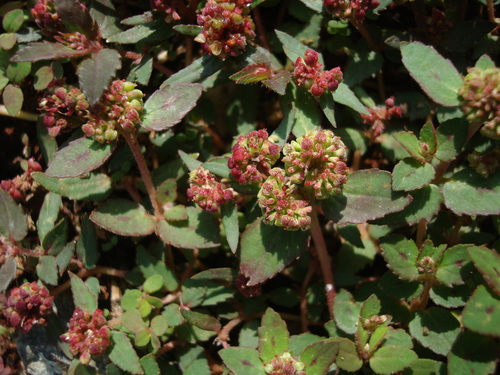
Florida Hammock Sandmat
Euphorbia ophthalmica Pers.
Euphorbia ophthalmica Pers. is a mat-forming, often weedy spurge with toxic sap, used in Mexican traditional medicine for skin conditions.
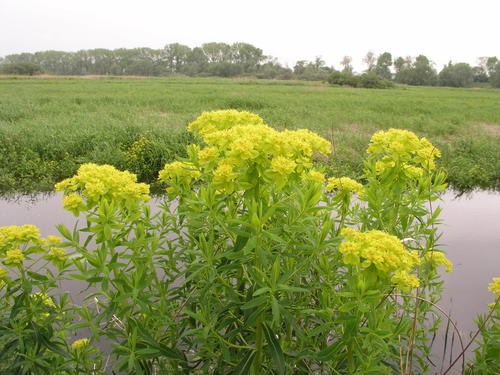
Marsh Spurge
Euphorbia palustris L.
Euphorbia palustris (marsh spurge) is a toxic herbaceous perennial flowering plant popular for gardening, native to European and west Asian marshland.
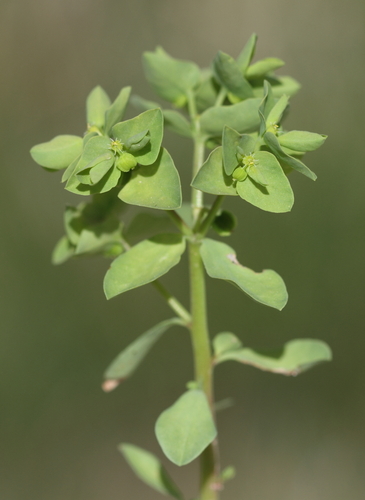
Petty Spurge
Euphorbia peplus L.
Euphorbia peplus L. is an annual herb with documented medicinal uses, including a FDA-approved derivative for actinic keratosis.
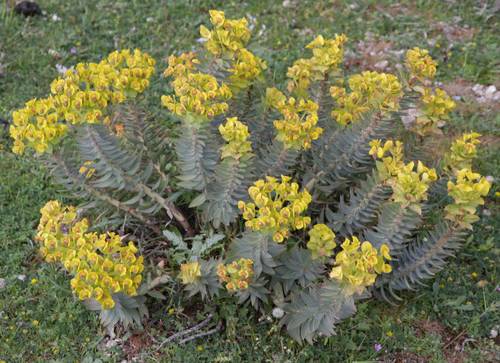
Gopher plant
Euphorbia rigida M.Bieb.
Euphorbia rigida is a toxic evergreen perennial spurge native to southern Europe and southwest Asia.
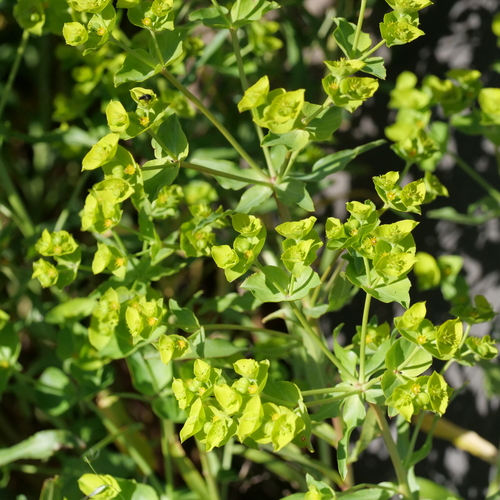
carnation spurge
Euphorbia terracina L.
Euphorbia terracina is a toxic invasive perennial herb with traditional medicinal uses in Algeria.
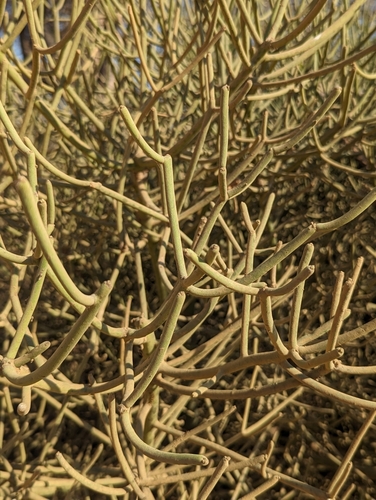
Fire Stick
Euphorbia tirucalli L.
Euphorbia tirucalli, the pencil tree, is a toxic succulent plant used in traditional medicine and proposed for oil production.
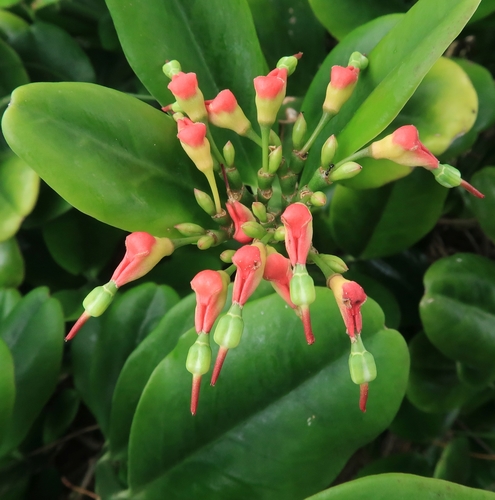
Devil's Backbone
Euphorbia tithymaloides L.
Euphorbia tithymaloides L. is a toxic shrub grown ornamentally, investigated for biofuel and potential medicinal uses.
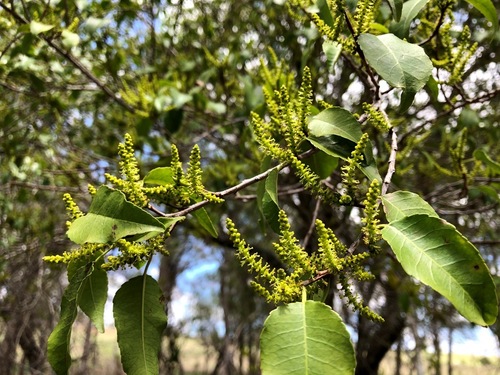
Scrub poison tree
Excoecaria dallachyana (Baill.) Benth.
Excoecaria dallachyana, the scrub poison tree, is a slender toxic Australian tree in the spurge family.
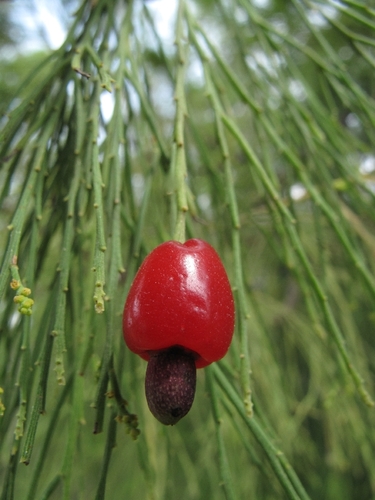
Cherry Ballart
Exocarpos cupressiformis Labill.
Exocarpos cupressiformis, cherry ballart, is a hemiparasitic Australian tree with an edible swollen pedicel used for food and woodcraft.
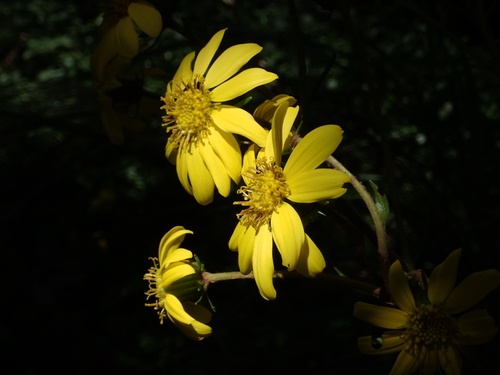
leopard-plant
Farfugium japonicum (L.) Kitam.
Farfugium japonicum is an evergreen ornamental perennial with toxic pyrrolizidine alkaloids, grown for its yellow flowers and variegated foliage.
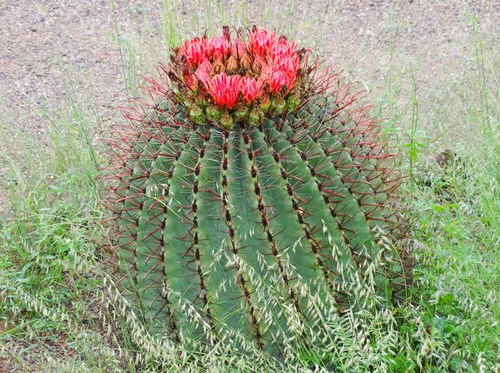
fishhook barrel cactus
Ferocactus wislizeni (Engelm.) Britton & Rose
Ferocactus wislizeni (fishhook barrel cactus) is a large southwestern North American arid-region cactus with hooked spines.

Giant Fennel
Ferula communis L.
Ferula communis, or giant fennel, is a tall herbaceous perennial flowering plant in the carrot family with known poisonous chemotypes.
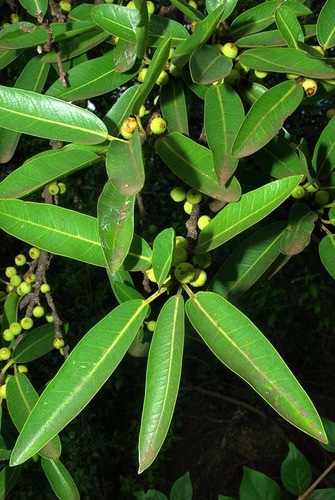
Wonderboom Fig
Ficus salicifolia Vahl
Ficus salicifolia Vahl is a fig species toxic to cattle, distributed across African and Arabian woodlands, pollinated by a specific wasp species.
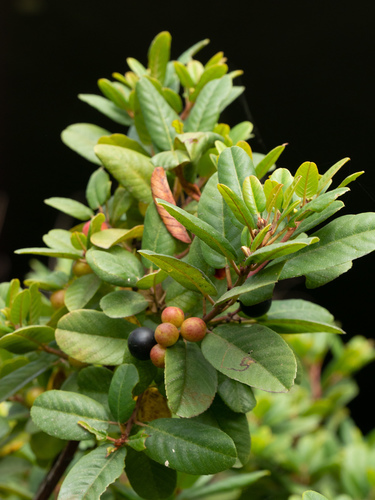
coffeeberry
Frangula californica (Eschsch.) A.Gray
Frangula californica, or California coffeeberry, is a long-lived North American native shrub with edible fruit and traditional indigenous uses.
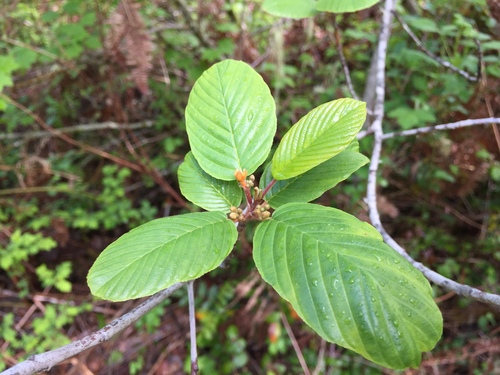
Cascara
Frangula purshiana (DC.) J.G.Cooper
Frangula purshiana, or cascara, is a North American native shrub or small tree known historically for use as a laxative.
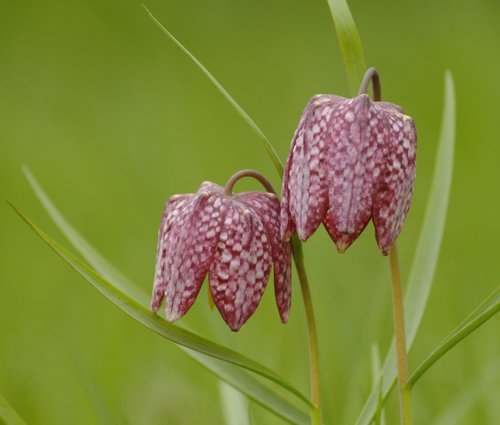
snake's-head fritillary
Fritillaria meleagris L.
Fritillaria meleagris L. is a poisonous, endangered wild bulb from Europe and west Asia, widely grown as an ornamental garden flower.
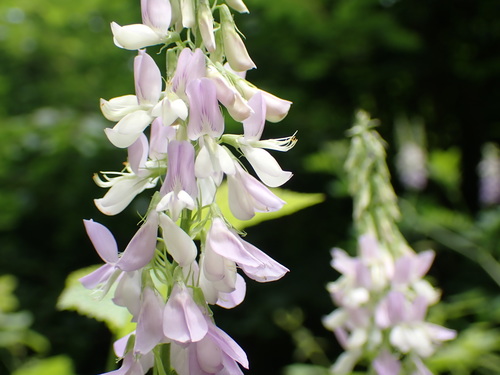
common milkpea
Galega officinalis L.
Galega officinalis (goat's-rue) is a herbaceous legume with historical medicinal uses that led to metformin discovery.
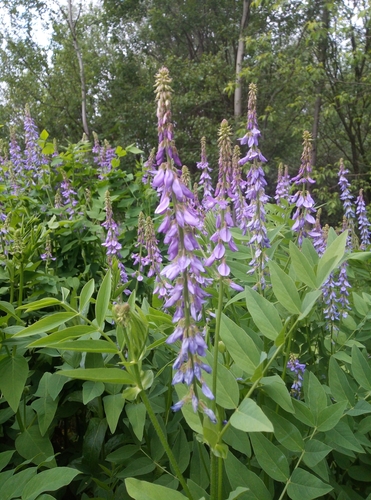
Eastern Goat's-rue
Galega orientalis Lam.
Galega orientalis Lam. is a perennial herb grown for livestock fodder, honey, ornamentals, and tested for biogas and bioremediation.
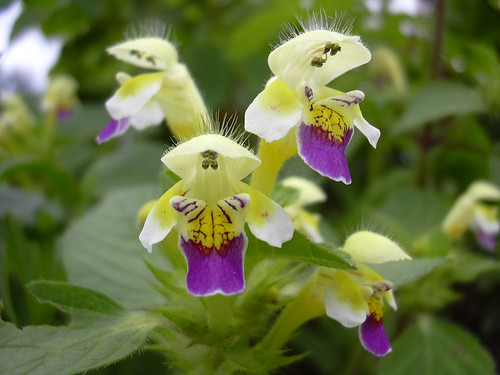
Large-flowered Hemp-nettle
Galeopsis speciosa Mill.
Galeopsis speciosa is an annual poisonous herbaceous Lamiaceae species native to Eurasia, introduced as a widespread weed in Canada.
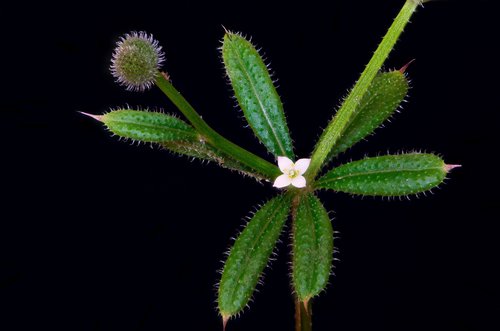
catchweed bedstraw
Galium aparine L.
Galium aparine L. (cleavers) is a hooked clinging annual with a wide native range, traditional uses, and potential skin irritation.
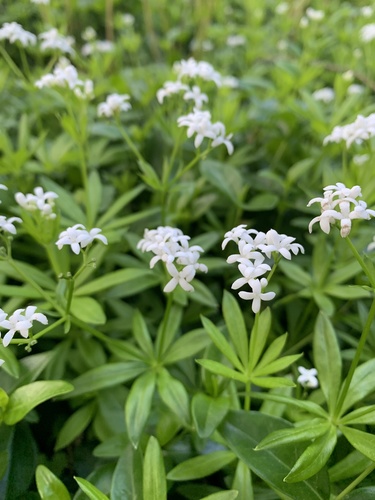
Sweet Woodruff
Galium odoratum (L.) Scop.
Galium odoratum (sweet woodruff) is a scented herbaceous plant cultivated for culinary and aromatic uses, native to Eurasia and naturalized in North America.
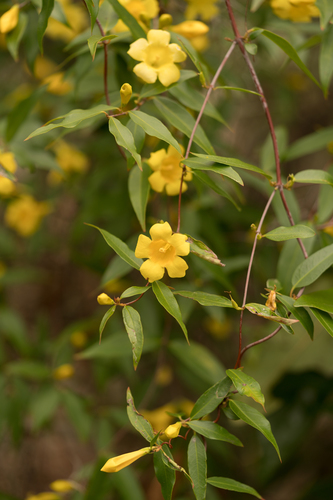
yellow jessamine
Gelsemium sempervirens (L.) J.St.-Hil.
Gelsemium sempervirens is a toxic but popular cultivated twining vine native to subtropical and tropical America.
Start Exploring Nature Today
Download iNature for free. 10 identifications on us. No account needed. No credit card required.
Download Free on App Store
