About Phalaenoptilus nuttallii (Audubon, 1844)
Taxonomy and Common Name
Common poorwill (Phalaenoptilus nuttallii (Audubon, 1844)) is the smallest nightjar native to North America.
Size Measurements
It measures approximately 18 centimetres (7.1 in) in length, has a wingspan of around 30 centimetres (12 in), and weighs between 36–58 grams (1.3–2.0 oz).
Plumage Pattern
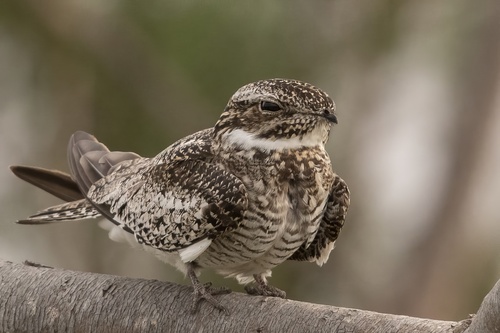
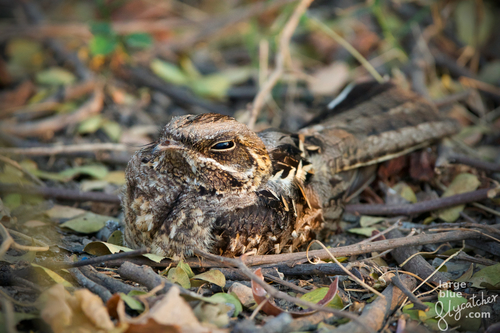
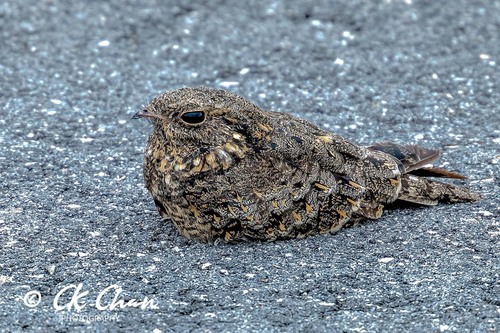
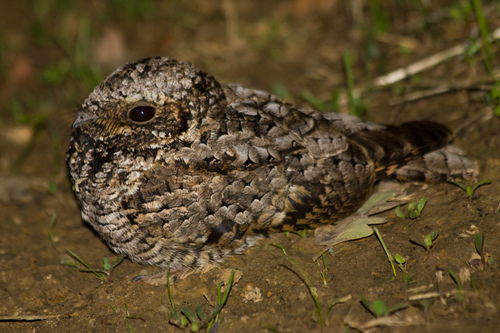
The sexes have similar appearance: both are patterned with gray and black on their upper sides.
Tail Feather Markings
The outer tail-feathers have white tips, and these markings are slightly more prominent in males.
Species Identification Features
The common poorwill can be distinguished from similar nightjar species by its small size, short bill, rounded wings whose tips reach the end of the short tail when the bird is at rest, and its pale gray coloration.
Etymology of Common Name
Like many other nightjars, its common name comes from its call: a monotonous poor-will that is given from dusk through to dawn.
Typical Vocalization Variation
When heard at close range, a third syllable may be detected, making the call sound like poor-will-low.
Flight Call
It also makes a chuck call note while in flight.
Diet Composition
Like other members of the nightjar family, the common poorwill feeds on nocturnal insects including moths, beetles, and grasshoppers.
Pellet Ejection Behavior
It ejects pellets made of indigestible body parts, in the same manner as an owl.
Prey Capture Methods
The common poorwill often catches prey from the ground, or by leaping up into the air from the ground.
Drinking Behavior
It has been reported to drink while in flight.