About Caprimulgus ruficollis Temminck, 1820
Plumage Base Coloration
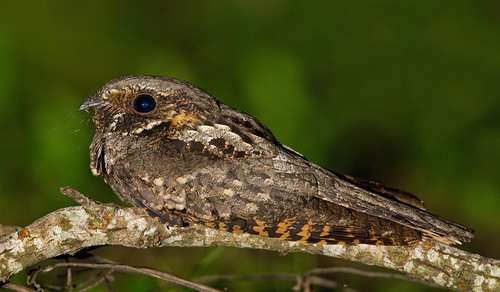
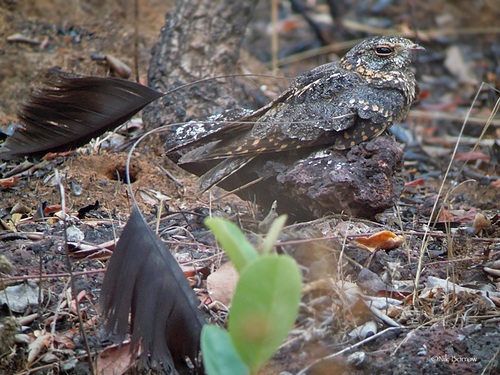
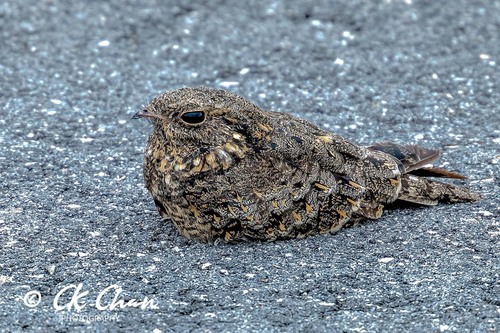
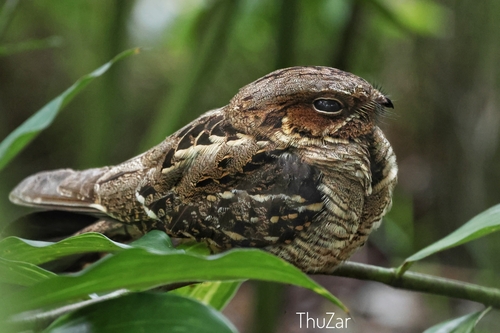
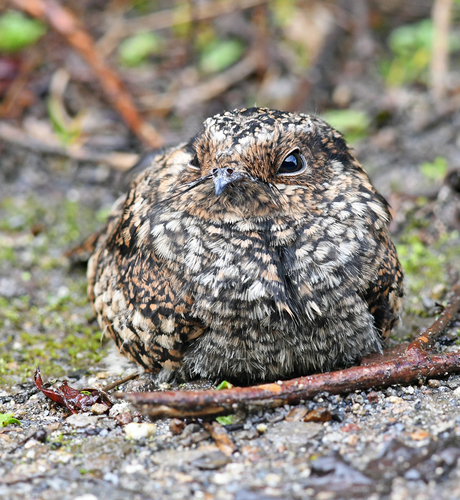
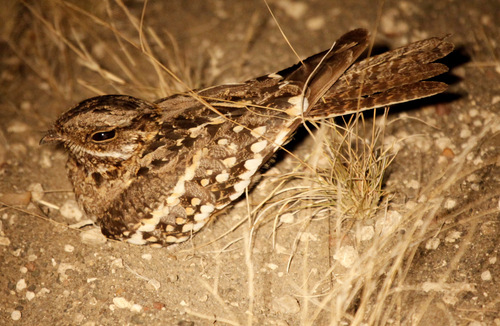
This species has variegated plumage that resembles the European nightjar. Adult plumage is lichen-grey, with barring and streaking in buff, chestnut, and black. The underparts are marked with bars.
Morphological Comparison to European Nightjar
It is larger and longer-tailed than the more widespread European nightjar, and has a distinct rufous neck-collar. Both males and females have white spots on the wings, white on the sides of the tail, and a white throat.
Diurnal Camouflage Behavior
During the day, this nightjar rests silently on the ground, where its plumage provides effective camouflage, making it hard to detect; it resembles a piece of lichen-covered twig or a fragment of bark.
Size Measurements
The species measures 32 cm in length, with a wingspan of 64 cm.
Shared Nightjar Traits
Like other nightjars, it has a wide gape, long wings, soft downy plumage, and is active at night.
Preferred Habitat
Its typical habitat is open sandy heaths with scattered trees or bushes.
Flight Characteristics
It is crepuscular, flying at dusk (most often at sundown) with an easy, silent, moth-like flight pattern: strong, deliberate wingbeats alternate with graceful gliding and turning on motionless wings.
Diet
It feeds on crepuscular insects such as moths.