About Ophioblennius atlanticus (Valenciennes, 1836)
Adult Size
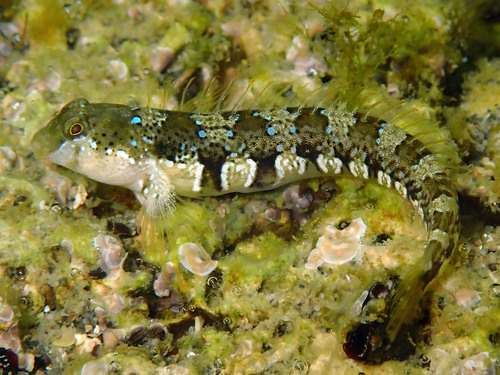
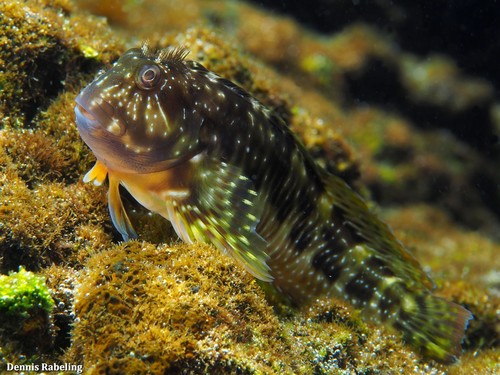
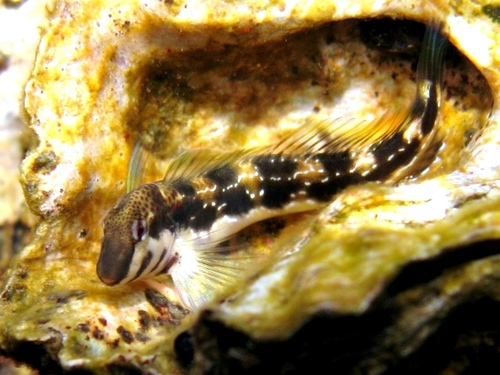
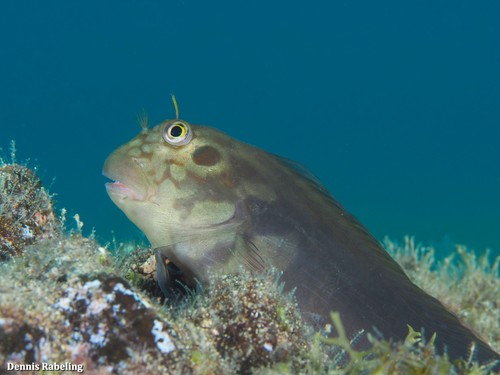
Description: Adult redlip blennies, scientifically Ophioblennius atlanticus, grow to between two and four inches in length.
Base Coloration
Their base body color is chocolate brown with scattered yellow markings.
Head Features
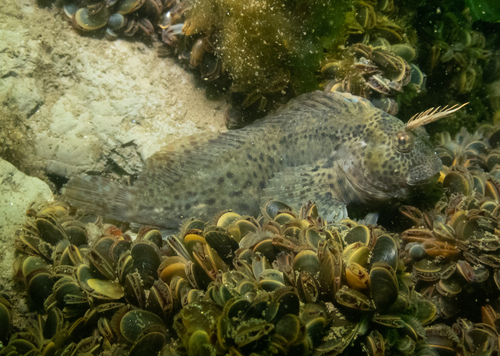
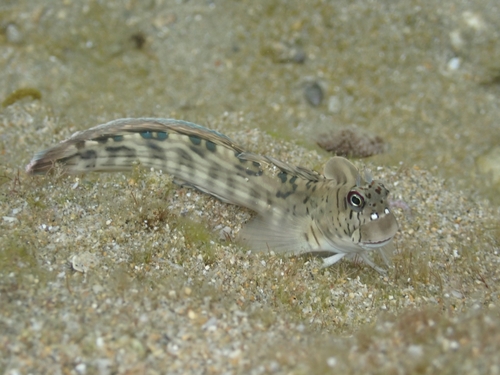
They have blunt heads that bear four branching horns, plus large reddish lips.
Pale Variant Morphology
A paler variant of this species has a shell-white body and a reddish brown head.
Native Distribution
Distribution and habitat: This species is native to tropical marine habitats of the central Atlantic Ocean.
Eastern Atlantic Range
Its range extends along the eastern Atlantic from Senegal to Angola, including nearby offshore islands. In the northeastern Atlantic, it is restricted to the Macaronesian archipelagos of the Canary Islands, Madeira, and the Azores.
Western Atlantic & Mediterranean Records
In the western Atlantic, it occurs off Bermuda, along the coast of North Carolina, and south through the West Indies to Brazil. It has been recorded twice in the central Mediterranean Sea.
Preferred Habitat
Ophioblennius atlanticus most commonly lives in shallow, clear waters with coral reefs and rocky bottoms.
Depth Range & Egg Type
Adults are typically found at depths between 10 and 20 meters, while this species' eggs are benthic.
Reproductive Period
Reproduction: Redlip blennies reproduce year-round, during the 10 days before and four days after each month's full moon.
Mating Pair Formation
Males and females pair up within the first three hours of daylight, after which the female moves into the male's territory.
Male Nest Preparation
The male prepares a nest for egg deposition by excavating a small box-shaped space within his territory, and clearing away coral rubble and dead algal crusts from the space.
Nest Preference Correlates
A single male typically maintains five nests, and the amount of time he spends at each nest correlates with how much females prefer that nest. The most preferred nests generally have a larger inner surface area and volume than less preferred nests.
Mating Success Factors
When a female enters a male's nest, she decides whether to mate with him. Larger males with larger nests have higher rates of successful mating than smaller males with smaller nests.
Spawning Period Male Behavior
Males reduce their feeding during the spawning period.
Egg Care & Development
Eggs are laid in a single layer, and the male guards and cares for the eggs by blowing water over them until they hatch into planktonic larvae.
Male Polygyny Impact
Egg batches within a single nest can be at different developmental stages, because male redlip blennies are polygynous and mate with multiple females, meaning the eggs in a nest come from multiple different mothers.
Female Polyandry Trait
Female redlip blennies are also typically polyandrous, so a single female's eggs can be found in multiple different males' nests.
Mate Choice Criteria
A female's choice of mate depends primarily on either a male's genetic quality or his non-genetic quality.
Male Genetic Quality Indicators
Males are considered to have good genes if they have physical traits suited for survival; large body size is generally a marker of good genetic quality.
Good Gene Benefit
Mating with a good-genetics male produces offspring that inherit favorable survival traits, which in turn helps propagate the female's own genes.
Non-genetic Quality Benefits
Non-genetic quality includes factors like effective parental care. Good parental care does not ensure offspring will inherit good genes, but it does increase the offspring survival rate, which also helps spread the female's genes.
Primary Mate Selection Factor
Female redlip blennies take both genetic and non-genetic male quality into account when choosing mates. They primarily select males based on size, an indicator of genetic quality.
Large Male Advantages
Larger males are better able to protect females and eggs from predators. Additionally, larger male redlip blennies have larger antimicrobial organs in their anal-urogenital region, which they use to prevent microbial infection of eggs.
Allopaternal Care Preference
Females also consider a male's allopaternal care, a non-genetic trait, when selecting mates; allopaternal care demonstrates to the female that the male can successfully protect eggs from predators.
Older Male Preference
One statistical study found that female redlip blennies may prefer older males, because a male's age can signal greater survival ability, which correlates with better survival fitness for his offspring.