About Myotis volans (H.Allen, 1866)
Taxonomic Classification
Myotis volans (first described by H. Allen in 1866) is a species of bat belonging to the order Chiroptera and family Vespertilionidae. It is closely related to Myotis lucifugus (little brown bat) and Myotis thysanodes (fringe-tailed bat), and three subspecies have been identified for this species.
Size
It is the second largest Myotis species found in the western United States. It has a wingspan of 10 to 12 inches and an average body mass of 7.5 grams.
Common Name Etymology
It is commonly called the long-legged myotis because it has a longer tibia length than other species in the genus Myotis.
Fur and Ear Characteristics
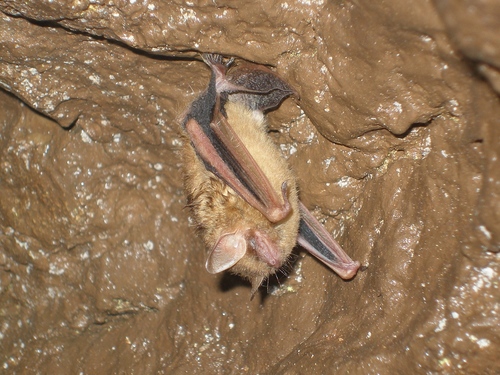
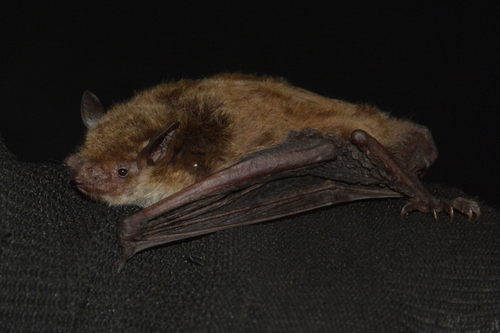
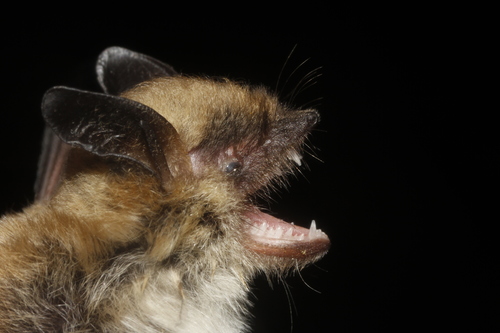
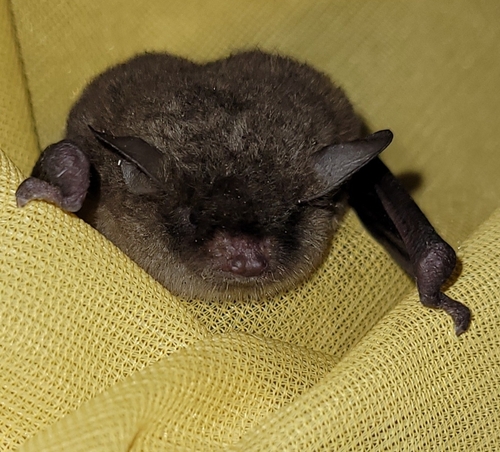
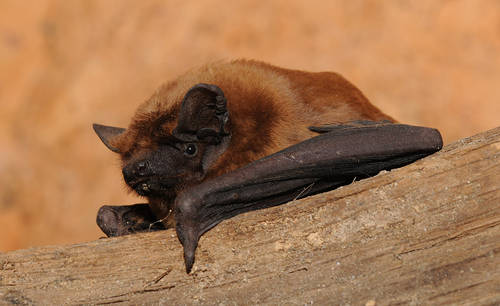
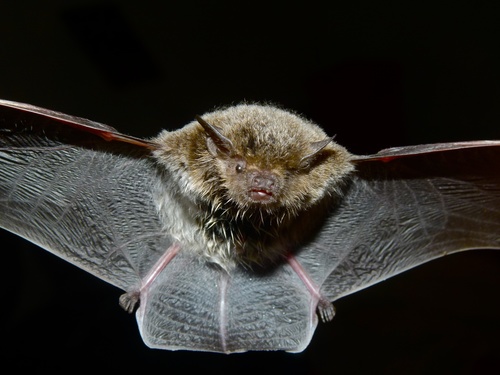
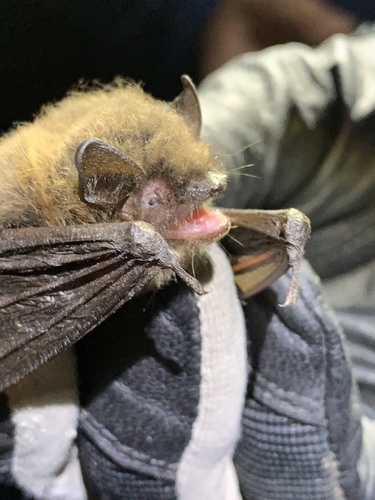
Its fur ranges in color from light brown to chocolate brown or reddish brown, and it has short, rounded ears. When the ears are pushed toward the nose, their tips just reach the nostrils.
Distinguishing Morphological Features
Its most distinguishing feature is fur on the underside of the wings, which extends from the body to the elbows and knees. It also has a keel on its calcar.
Sexual Dimorphism
This species exhibits sexual dimorphism, with females tending to be slightly larger than males.
Geographic Range
The range of Myotis volans extends from Alaska in the north, through the western United States, and into southern Mexico as far south as Mexico City. Its easternmost recorded distribution reaches North Dakota, South Dakota, Nebraska, and western Texas.
Habitat Types
It occupies a variety of habitats, including ponderosa pine woodlands, coniferous forests, pinyon-juniper woodlands, oak woodlands, mountain meadows, riparian zones, and has also been captured in desert habitats.
Elevation Preference
In mountainous areas, it prefers mid-slope elevations that have abundant food sources.
Mating Period
Mating occurs in late summer to early fall.
Fertilization Strategy
Females delay fertilization by retaining sperm in their reproductive tract until spring.
Reproductive Output
Young are born between June and August, and each female produces only one pup per litter.
Nursery Colonies
Females form large nursery colonies that can number up to hundreds of individuals.
Pup Care Behavior
While females leave the colony to feed, they leave their pups in the colony and return multiple times each night to nurse their young.