About Melomys cervinipes (Gould, 1852)
Taxonomic Classification
The fawn-footed mosaic-tailed rat, also known as the fawn-footed melomys (Melomys cervinipes), is a rodent species belonging to the family Muridae.
Distribution
It occurs along the eastern coastal regions of Australia.
Body Coloration
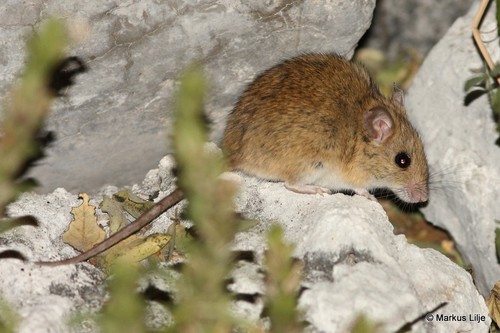
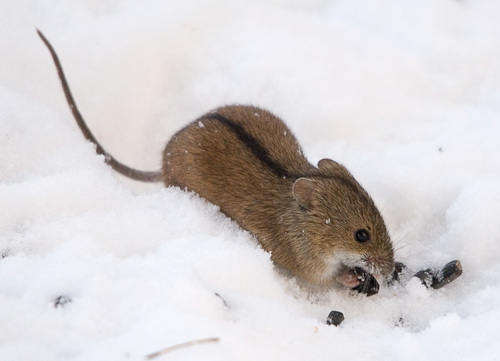
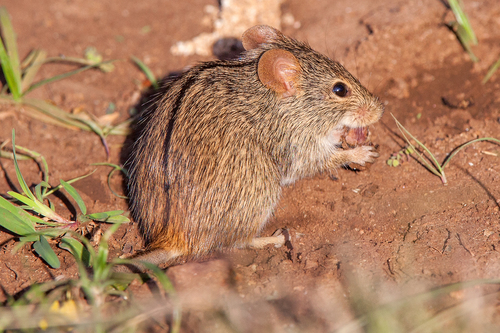
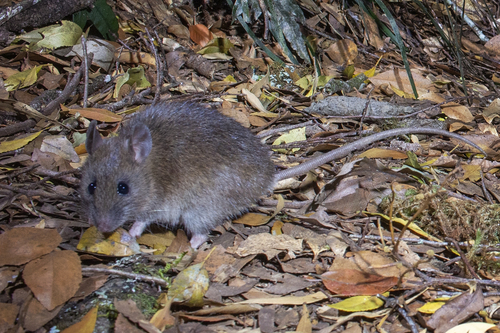
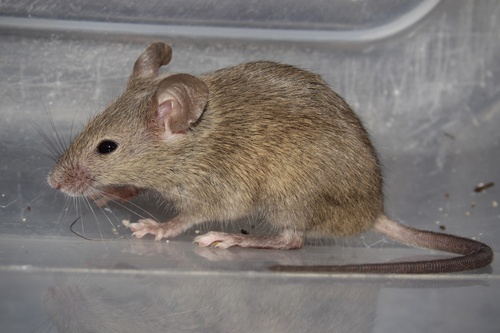
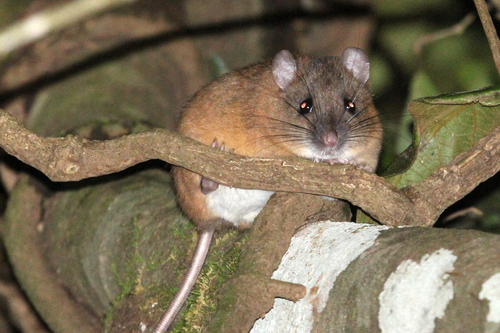
The upper body of this species is sandy-brown, while its lower parts have mottled grey and whitish colouring.
Tail Features
Its tail is hairless, with purplish-toned skin.
Fur Characteristics
Superficial distinguishing features include short, soft fur that lies flat against the body, and lacks the long guard hairs found in related species.
Etymology of Scientific Name
John Gould gave the species the epithet cervinipes in reference to the fawn-like colouring of its feet and tarsi.
Original Taxonomic Placement
He originally placed it in the genus Mus, and gave it the English common name "Buff-footed Rat".
Specimen Origin
Gould obtained his specimens from early natural history collector Frederick Strange.
Type Localities and Indigenous Names
Strange labelled the collections as coming from three locations: Stradbrook Island, Moreton Bay, where native people call the species Corrill; Richmond River, where Aboriginal people know it as Cunduoo; and the plains bordering the upper parts of the Brisbane River.
Common Name Usage
This species is most commonly known by the descriptive English common name fawn-footed melomys.
Indigenous Name Restoration Proposals
During the 1990s, proposals were put forward to restore indigenous Australian names for this species.
1995 Naming Recommendations
In 1995, the Australian Nature Conservation Agency published recommendations for rodent common names that addressed this.
Compiled Indigenous Names
The agency compiled two indigenous Australian names for the species: corrill, recorded from Stradbroke Island, and cunduoo, recorded from the area around the Richmond River.
Recommended Name Spelling
They recommended adopting the first name, but with the spelling korril.
Adoption Status of Recommendation
This recommendation was not mandatory, and the extent of its future adoption is still unknown.