About Lophotibis cristata (Boddaert, 1783)
Taxonomy and Size
The Madagascar ibis, scientifically named Lophotibis cristata (Boddaert, 1783), measures 50 cm (20 in) in length, and is among the largest birds found in Madagascar's forests.
Head and Upper Plumage
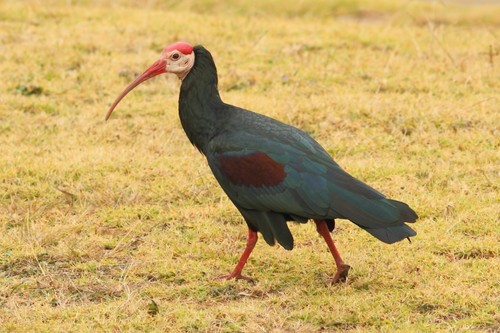
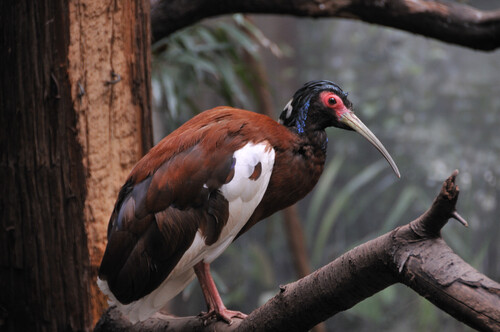
It has a black head, and its upper body plumage is rufous brown. Its chin, neck, throat, and underparts are dark brown, and the wing is mostly white.
Facial Skin Features
Part of the face, including the area around the eye, is naked and red. The crown and back of the neck have a crest of long black feathers with a metallic sheen.
Nominate Subspecies Traits
For the nominate subspecies L. c. cristata, this sheen is green, with white flecks on the crest.
L. c. urschi Subspecies Traits
For the subspecies L. c. urschi, the throat, neck, and crest have a greenish sheen mixed with yellowish-orange, and the overall body colour is a darker chestnut. This species has a brown iris, a very long horn-coloured beak, and red legs and feet.
Endemic Range and Elevation
The Madagascar ibis is endemic to Madagascar, where it inhabits woodlands and forests at elevations up to 2,000 m (6,600 ft).
Habitat Types
It occurs in both primary and secondary forest, including humid forest in northeastern Madagascar and dry forests in the western and southern parts of the island.
Diet Composition
Its diet is made up primarily of insects, spiders, frogs, reptiles, snails, and other invertebrates.
Reproduction
Females typically lay three eggs in a platform nest constructed from twigs and branches.