About Lepus capensis Linnaeus, 1758
Taxonomy and Naming
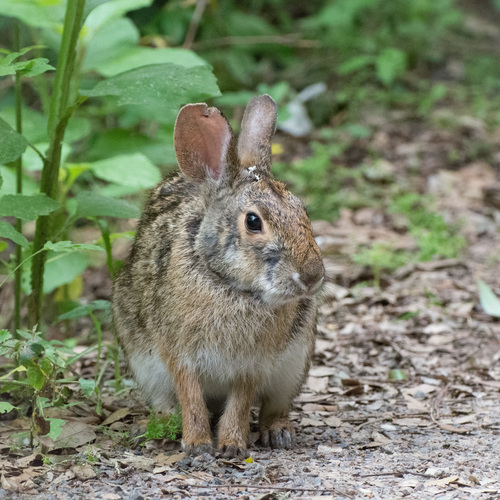
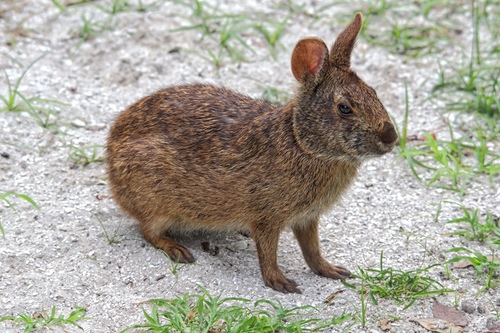
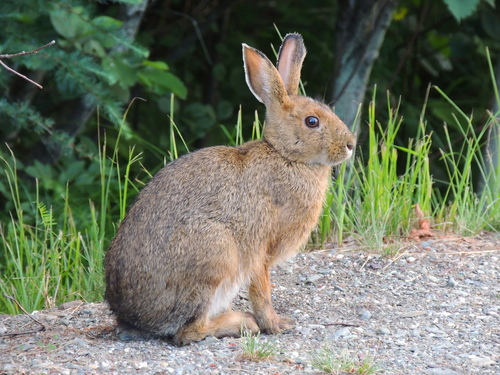
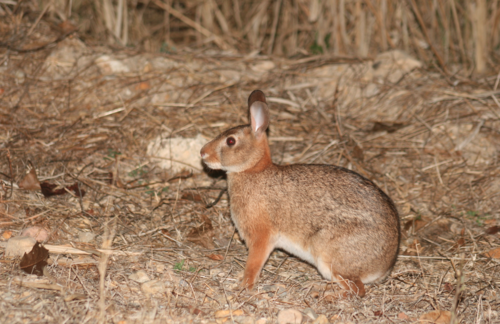
The Cape hare, scientifically named Lepus capensis Linnaeus, 1758, is a typical hare species.
Sensory and Locomotor Adaptations
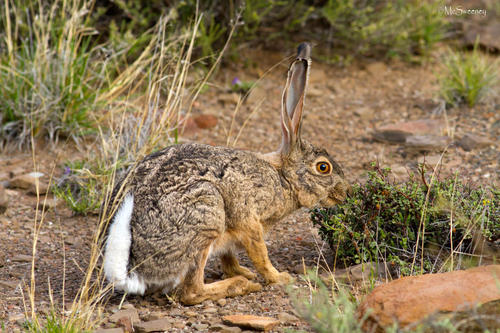
It has well-developed legs adapted for leaping and running, plus large eyes and ears that help it detect environmental threats.
Facial Markings
A white ring usually surrounds its eye.
Coat Characteristics
Its fine, soft coat varies in color from light brown to reddish to sandy grey.
Sexual Dimorphism
Unusual among mammals, female Cape hares are larger than males, which is an example of sexual dimorphism.
Habitat Range
Cape hares inhabit macchia-type vegetation, grassland, bushveld, the Sahara Desert, and semi-desert areas.
Regional Distribution
They are also common in parts of the Ethiopian Highlands, such as Degua Tembien.
Feeding Ecology
The Cape hare is a nocturnal herbivore that feeds on grass and various shrubs.
Coprophagy Behavior
Coprophagy, the behavior of consuming an organism's own fecal material to extend how long food stays in the digestive tract, is common among rabbits and hares including the Cape hare.
Nutritional Benefits of Coprophagy
This habit lets the animal extract the maximum possible nourishment from its diet, and microbes present in the fecal pellets also provide additional nutrients.
Predator Capabilities
The cheetah is the only predator capable of outrunning the Cape hare.
Other Predator Types
All other predators of the Cape hare are ambush and/or opportunistic hunters; examples of these predators include leopards, caracals, and black-backed jackals.
Reproductive Traits
After a 42-day pregnancy, a female Cape hare gives birth to one to three young (called leverets) per litter, and can have up to four litters in a single year.
Juvenile Development
A key trait that distinguishes hares from rabbits is that hare young are born precocial: they are born with open eyes and can move around shortly after birth.
Longevity
One captive Cape hare lived to almost 9 years of age, but the typical longevity of wild Cape hares remains uncertain.