About Leontopithecus chrysomelas (Kuhl, 1820)
Nomenclature and Endemic Status
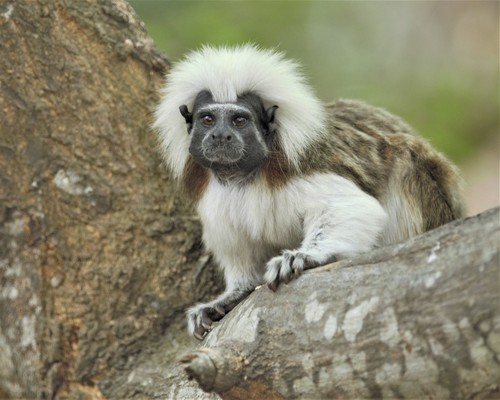
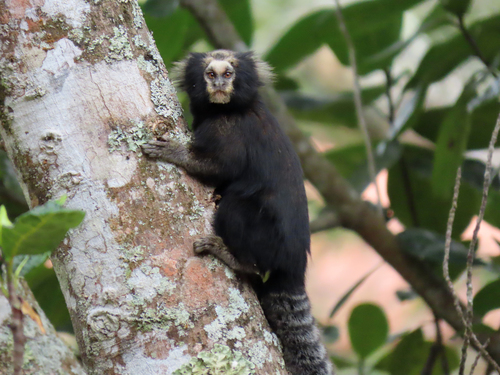
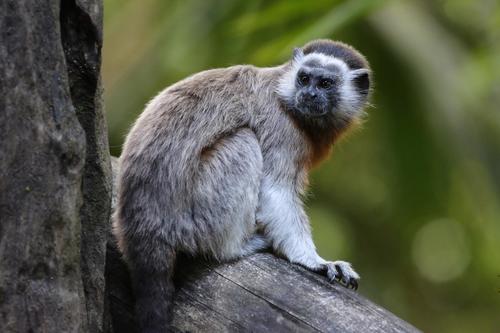
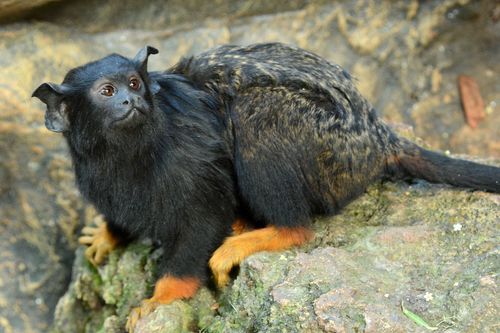
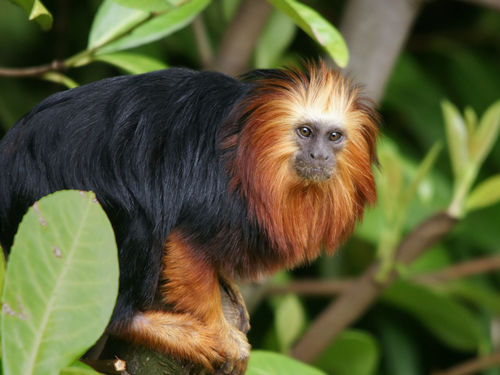
The golden-headed lion tamarin, whose scientific name is Leontopithecus chrysomelas and which is also called the golden-headed tamarin, is a type of lion tamarin endemic to Brazil.
Distribution and Conservation Status
It is only found in fragmented lowland and premontane tropical forest in the Brazilian state of Bahia, which has led to it being classified as an endangered species.
Vertical Habitat Use
This species lives at heights between 3 and 10 metres (9.8 to 32.8 ft) above ground.
Habitat Preference and Availability
While it prefers mature forest habitat, habitat destruction means it does not always live in this preferred environment.
Social Group Variability
There is conflicting information from different sources about the size of golden-headed lion tamarin groups and the structure of their social systems.
Group Size Range
Group sizes can range from 2 to 11 individuals, with an average group size between 4 and 7 individuals.
Group Composition Variations
Sources have reported different group compositions: groups may contain two adult males, one adult female, and immature individuals; one adult male, one adult female, and immature individuals; or one breeding pair plus a variable number of other group members, usually offspring from previous breeding seasons.
Mating System
Not much is confirmed about the species' mating system, but based on reported social group structures, it is thought that some groups use monogamous mating systems while others use polyandrous mating systems.
Juvenile Care Behavior
Both adult males and females put energy into caring for young, and all group members help care for juveniles.
Home Range Requirements
Golden-headed lion tamarins need large home ranges to maintain long-term access to enough fruit, which is easily depleted, and prey foraging sites.
Average Home Range Size
On average, the home ranges that golden-headed lion tamarin groups defend measure 123 hectares.
Home Range Overlap
Home ranges are not always used exclusively by one group, and the home ranges of different groups may overlap partially along their borders.