Plants — 23,508 Species
Top Families in Plants
All Plants Species
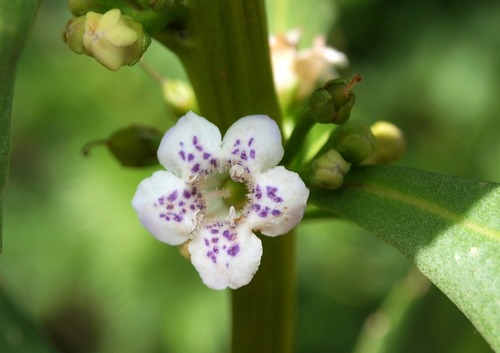
common boobialla
Myoporum insulare R.Br.
Myoporum insulare, or boobialla, is an Australian coastal shrub or tree invasive in parts of Africa and the US.
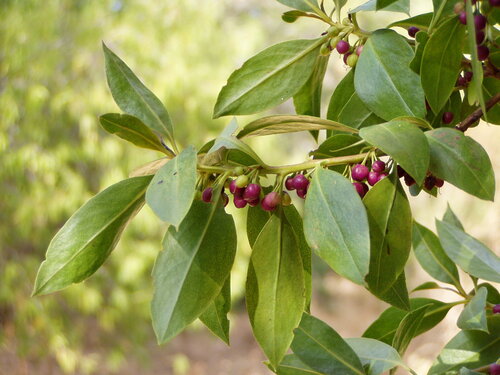
Ngaio
Myoporum laetum G.Forst.
Myoporum laetum, or ngaio, is a New Zealand evergreen tree that contains a liver toxin and has traditional and historical uses.
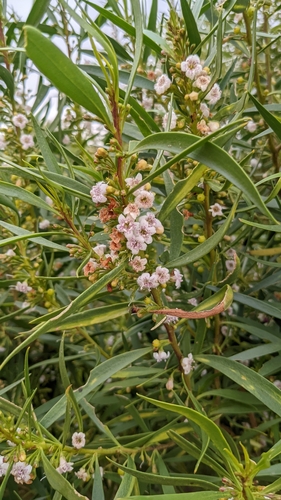
waterbush
Myoporum montanum R.Br.
Myoporum montanum, waterbush, is an Australian shrub/tree with edible fruit, used as a hardy drought-tolerant screen in horticulture.
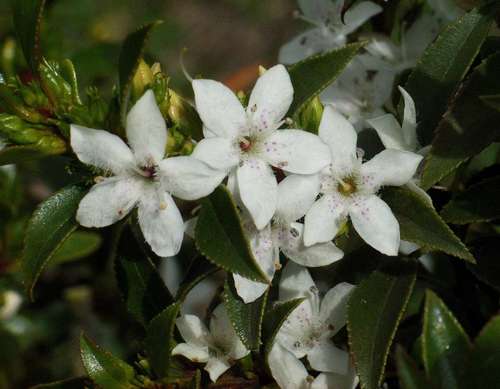
Sticky Boobialla
Myoporum petiolatum Chinnock
Myoporum petiolatum is a flowering shrub native to South Australia and Victoria, found in exposed woodland areas.
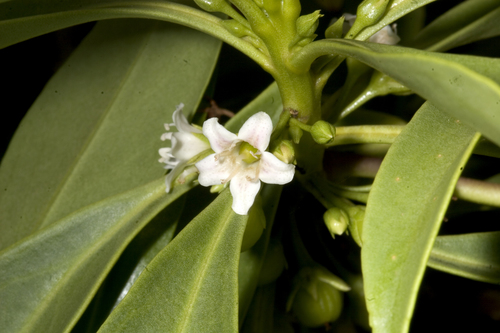
naio
Myoporum sandwicense (A.DC.) A.Gray
Myoporum sandwicense, or naio, is a Hawaiian flowering shrub/tree with traditional cultural and economic uses.
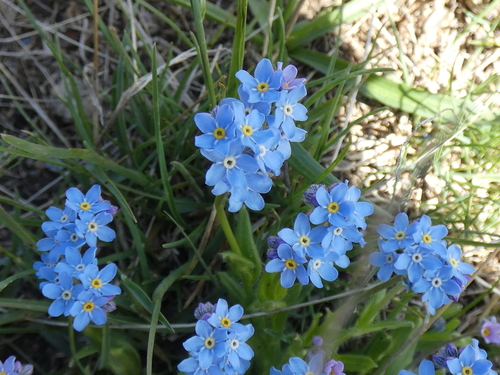
Alpine forget-me-not
Myosotis alpestris F.W.Schmidt
Myosotis alpestris (alpine forget-me-not) is a Boraginaceae perennial, Westmorland's county flower, native to parts of Europe and the Caucasus.

field forget-me-not
Myosotis arvensis (L.) Hill
Myosotis arvensis, field forget-me-not, is a herbaceous flowering plant in Boraginaceae native to Eurasia and northwestern Africa.
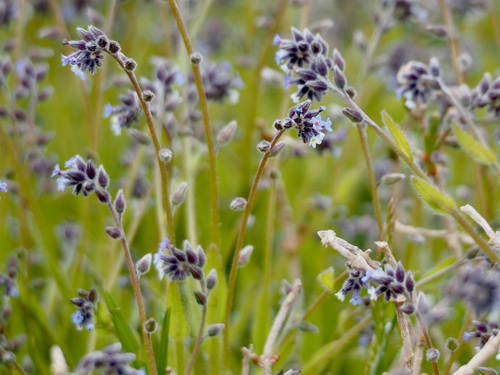
Changing Forget-me-not
Myosotis discolor Pers.
Myosotis discolor Pers. is a hairy herb with tiny flowers that shift color from yellow/cream to pink to blue as they mature.
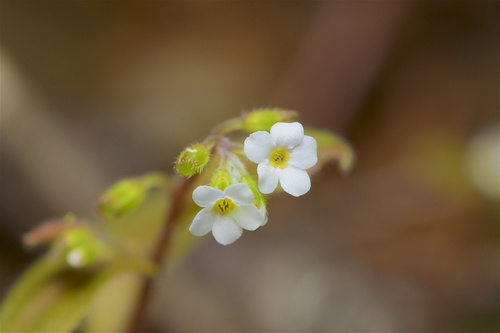
Myosotis forsteri Lehm.
Myosotis forsteri Lehm.
Myosotis forsteri is a rosette-forming forget-me-not native to New Zealand that grows in damp shaded forest habitats.
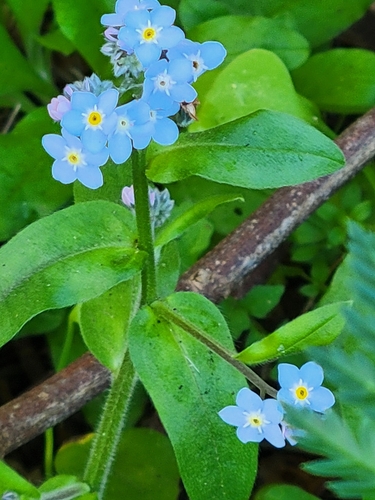
broadleaf forget-me-not
Myosotis latifolia Poir.
Myosotis latifolia, the broadleaf forget-me-not, is a perennial herb native to the Canary Islands and introduced elsewhere.
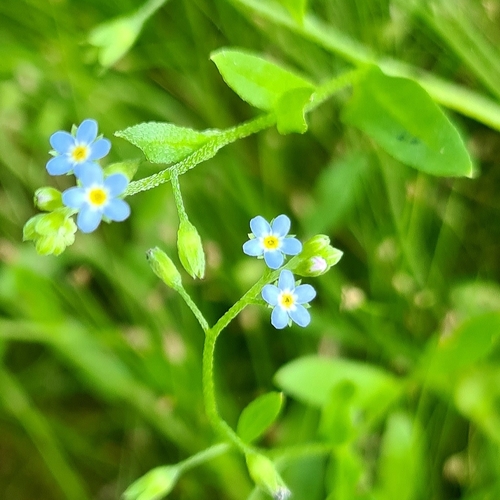
bay forget-me-not
Myosotis laxa (Sam.) Hyl. ex Nordh.
Myosotis laxa is a variable forget-me-not that closely resembles M. scorpioides, distinguished by smaller corollas and longer styles.
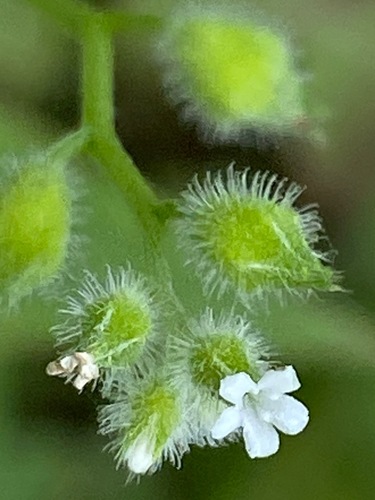
large-seeded forget-me-not
Myosotis macrosperma Engelm.
Myosotis macrosperma, largeseed forget-me-not, is an annual herbaceous flowering plant native to eastern North America.
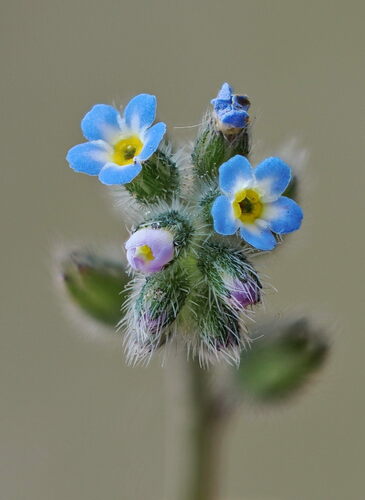
Early Forget-me-not
Myosotis ramosissima Rochel
Myosotis ramosissima (early forget-me-not) is a flowering plant in the Boraginaceae family found in prairies, roadsides, and grassy embankments.
bay forget-me-not
Myosotis scorpioides L.
Myosotis scorpioides (water scorpion grass) is a wet-loving herbaceous perennial native to Europe and Asia.
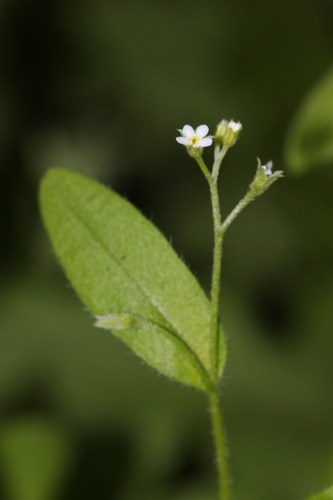
Diffuseflowered Forget-Me-Not
Myosotis sparsiflora J.C.Mikan ex Pohl
Myosotis sparsiflora is an annual flowering plant in the Boraginaceae family native to parts of Europe and south-western Siberia.
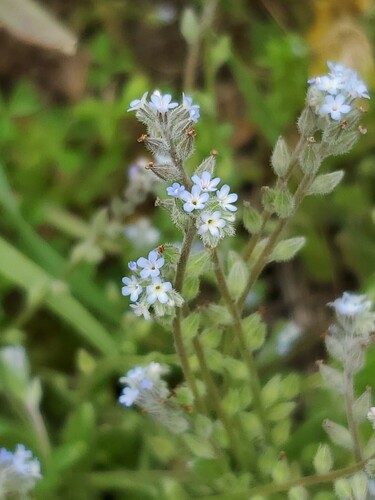
blue forget-me-not
Myosotis stricta Link ex Roem. & Schult.
Myosotis stricta is a species in the Myosotis genus, commonly called strict forget-me-not or blue scorpion grass.
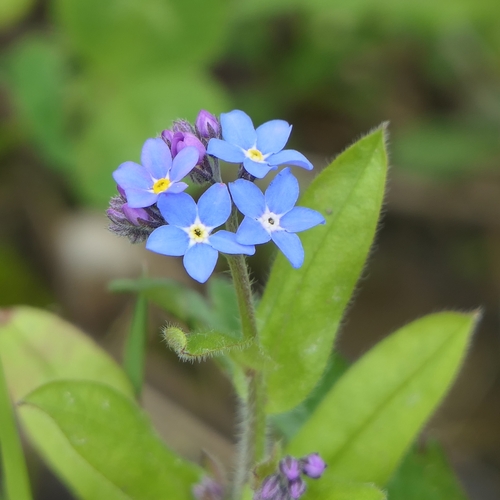
Wood Forget-me-not
Myosotis sylvatica Ehrh. ex Hoffm.
Myosotis sylvatica is a short-lived herbaceous perennial commonly grown in temperate spring bedding schemes.
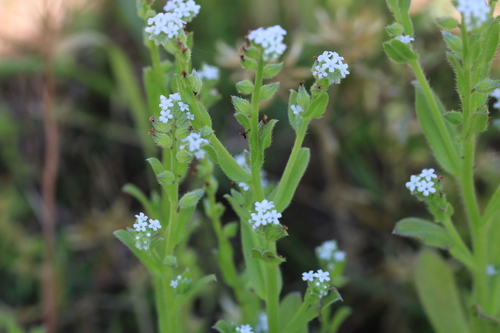
early forget-me-not
Myosotis verna Nutt.
Myosotis verna Nutt. is a low herbaceous plant with usually white five-petaled flowers found in disturbed and natural habitats.
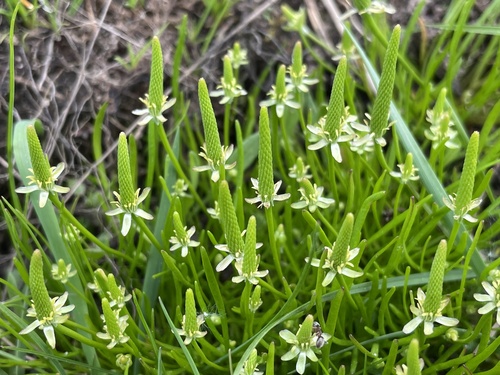
Tiny Mousetail
Myosurus minimus L.
Myosurus minimus, or tiny mousetail, is a small annual flowering plant native to most of the Northern Hemisphere that grows in moist habitats.

Myrceugenia exsucca (DC.) O.Berg
Myrceugenia exsucca (DC.) O.Berg
Myrceugenia exsucca, commonly petra, is an evergreen flowering myrtle native to South America as far south as Chile.
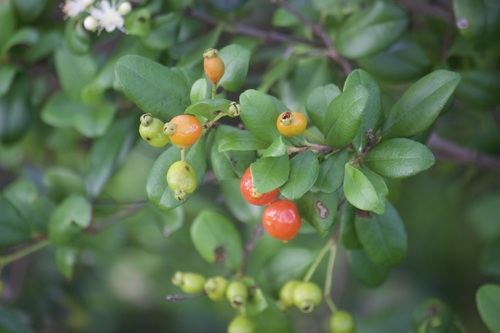
Simpson's Stopper
Myrcianthes fragrans (Sw) Mc Vaugh
Myrcianthes fragrans is a shrub or small tree with fragrant dark green elliptical leaves, small white flowers, and green berries.
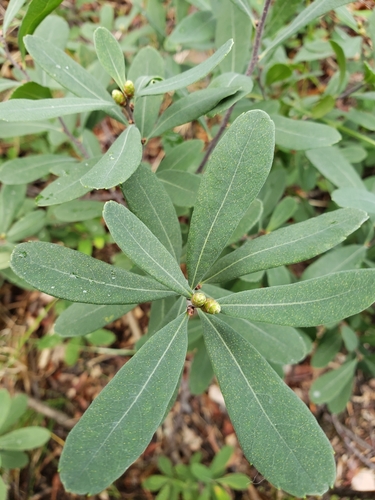
bog myrtle
Myrica gale L.
Myrica gale L. is an aromatic deciduous shrub with a wide range of traditional and modern uses.
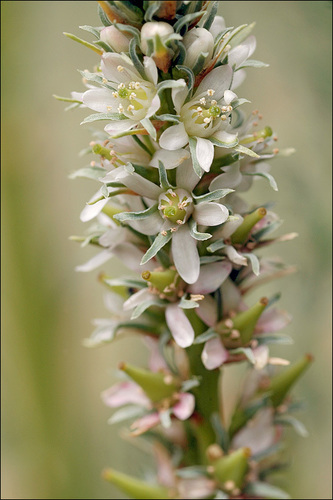
Myricaria
Myricaria germanica Qaiser
Myricaria germanica, the German tamarisk, is an erect flowering pioneer shrub native to Eurasia, cultivated in Britain since 1582.
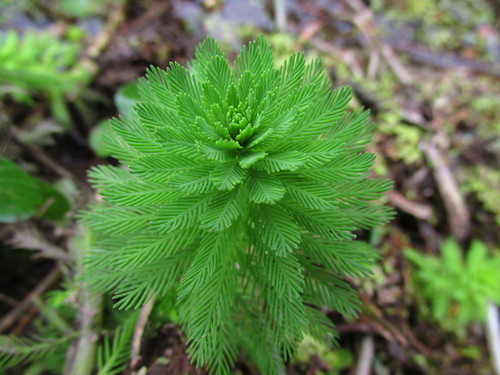
Parrot's feather
Myriophyllum aquaticum (Vell.) Verdc.
Myriophyllum aquaticum, or parrot feather, is a perennial aquatic plant native to South America, used in aquariums and invasive in many regions.
Start Exploring Nature Today
Download iNature for free. 10 identifications on us. No account needed. No credit card required.
Scan with iPhone camera
Scan with Android camera


