Plants — 23,508 Species
Top Families in Plants
All Plants Species
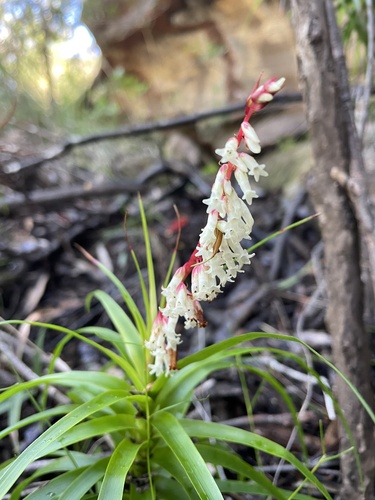
necklace heath
Dracophyllum secundum R.Br.
Dracophyllum secundum R.Br. is a small shrub that grows in moist rocky sandstone habitats and produces bell-shaped pink-and-white flowers.
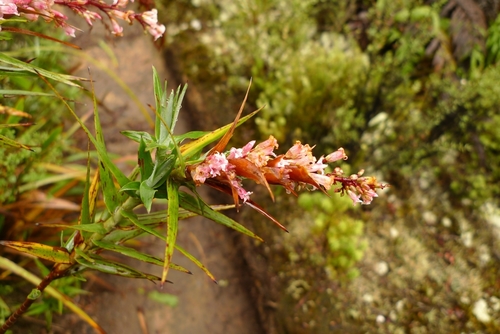
Totorowhiti
Dracophyllum strictum Hook.fil.
Dracophyllum strictum, or totorowhiti, is an endemic New Zealand shrub in the heath family growing 0.5 to 3 m tall.
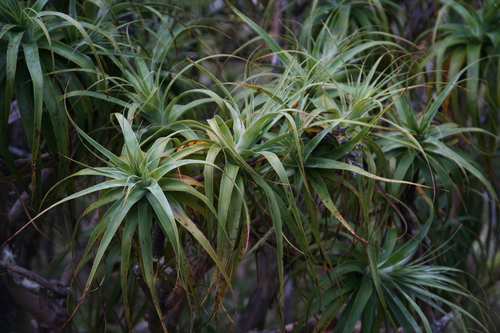
mountain neinei
Dracophyllum traversii Hook.fil.
Dracophyllum traversii is a deciduous tree or shrub endemic to New Zealand, classified as Not Threatened.
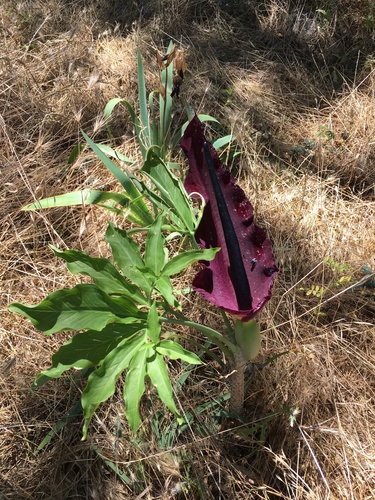
dragon arum
Dracunculus vulgaris Schott
Dracunculus vulgaris, the dragon lily, is a foul-smelling pollinator-attracting aroid cultivated across introduced regions.
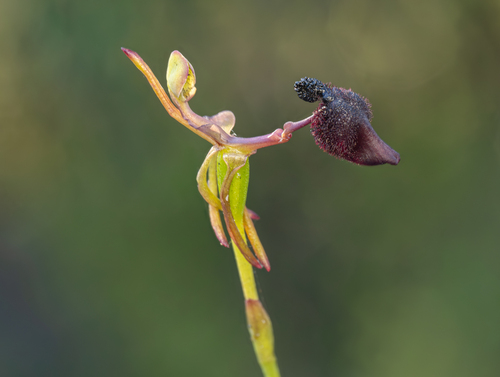
King-in-his-carriage
Drakaea glyptodon Fitzg.
Drakaea glyptodon (king in his carriage) is a hammer orchid that mimics a female wasp for pollination.
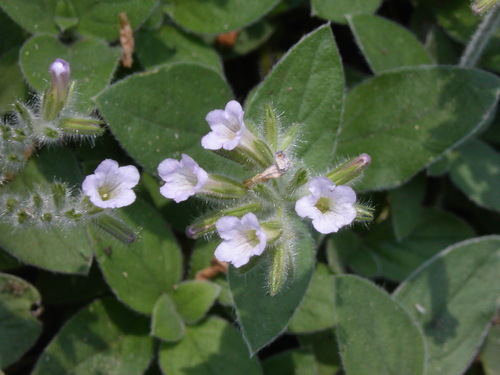
Violet draperia
Draperia systyla (A.Gray) Torr.
Draperia systyla, or violet draperia, is a small hairy perennial wildflower endemic to California's high mountains.
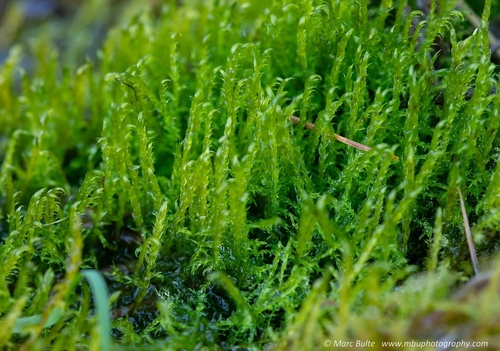
Kneiff's hook-moss
Drepanocladus aduncus (Hedw.) Warnst.
Drepanocladus aduncus has been recorded in various locations in Algeria including Kabylie du Djurdjura, Constantine, Atlas de Blida, El - Kala National Park, and Setif, and it is a frequent species.
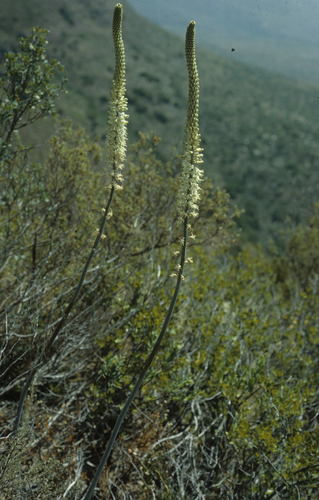
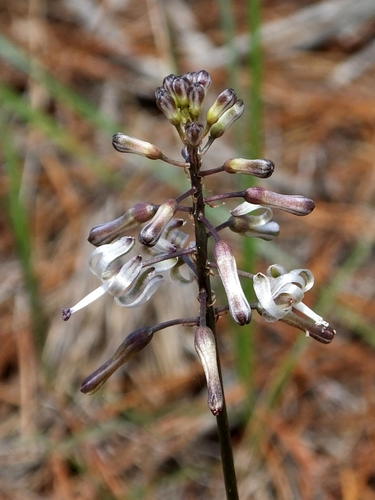
Maerman Squill
Drimia capensis (Burm.f.) Wijnands
Drimia capensis is a geophytic perennial bulb from southern South Africa with pale yellow-cream flowers after leaves dry.
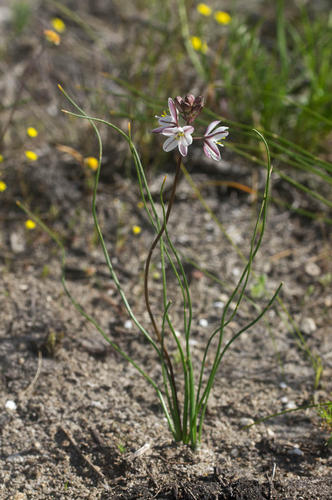
Satin Squill
Drimia elata Jacq. ex Willd.
Drimia elata is a perennial bulbous plant native to eastern and southern Africa, growing in open grassland and shrubland habitats.
Sock Squill
Drimia exuviata (Jacq.) Jessop
Drimia exuviata is a South African geophytic perennial identifiable by its distinctive horizontally-banded basal leaf sheath.
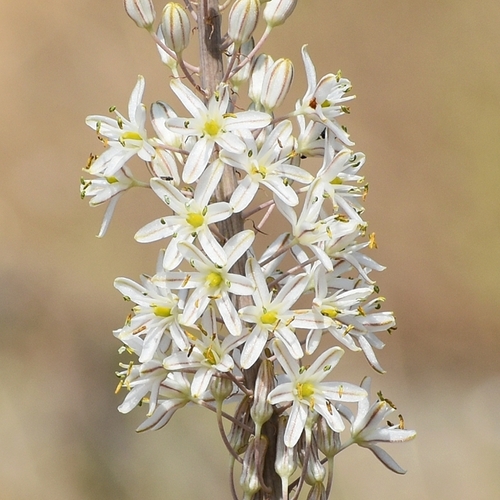
sea squill
Drimia maritima (L.) Stearn
Drimia maritima is a Mediterranean bulbous plant, toxic to rats, used in medicine, rituals, and as an ornamental cut flower.
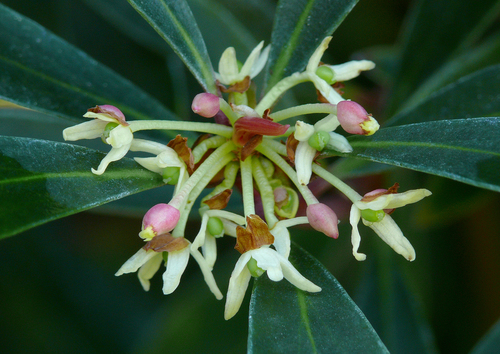
Mountain Pepper
Drimys aromatica (R.Br.) F.Muell.
Tasmannia lanceolata (syn. Drimys aromatica) is an Australian native shrub commonly used as a peppery bushfood spice.
Brush Pepperbush
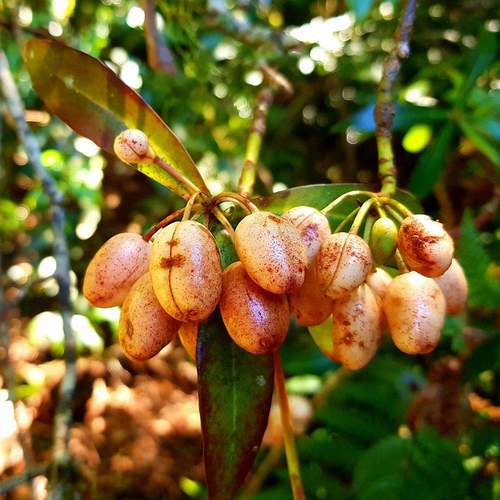
Drimys insipida (R.Br.) Pilg.
Drimys insipida (syn. Tasmannia insipida) is a dioecious Australian shrub or small tree with purplish berries, growing in eastern Australian cool wet forests and coasts.
Winter's Bark
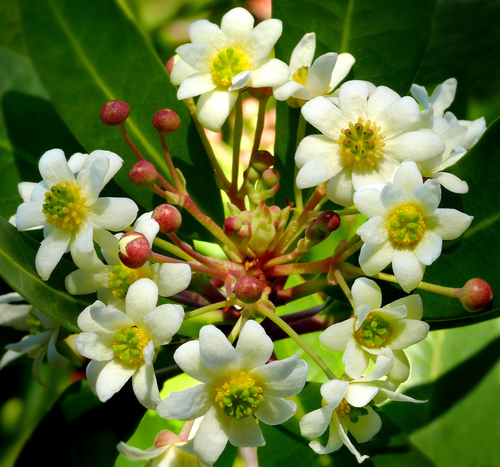
Drimys winteri J.R.Forst. & G.Forst.
Drimys winteri J.R.Forst. & G.Forst. is an ornamental evergreen tree with multiple useful properties for people and the environment.
Pale dewplant
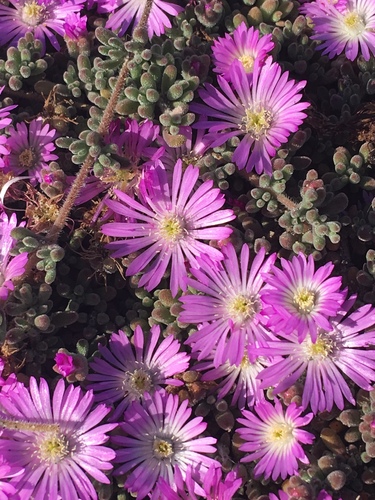
Drosanthemum floribundum (Haw.) Schwantes
Drosanthemum floribundum is a trailing succulent perennial in the ice plant family native to South Africa's Eastern Cape.
Scented Sundew
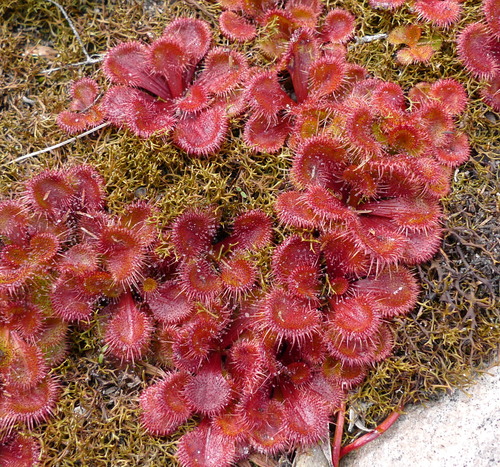
Drosera aberrans (Lowrie & Carlquist) Lowrie & Conran
Drosera aberrans is a perennial tuberous Drosera native to southeastern Australia, forming 3-5 cm wide rosettes and flowering July to September.
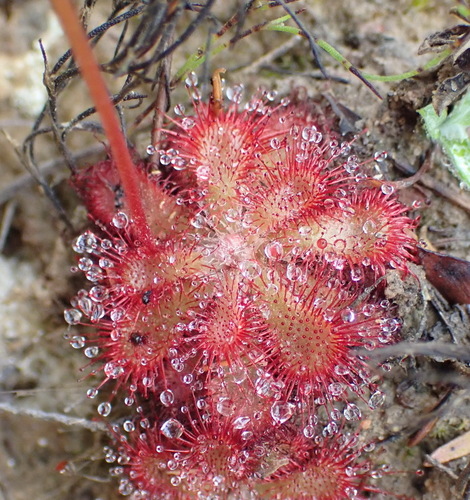
Alice Sundew
Drosera aliciae R.Hamet
Drosera aliciae is an easy-to-grow carnivorous sundew that has earned the RHS Award of Garden Merit.
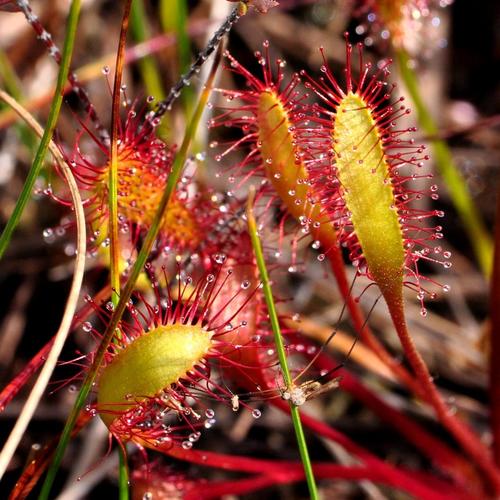
Great Sundew
Drosera anglica Huds.
Drosera anglica, the English sundew, is a circumboreal carnivorous perennial herb that catches insects to get extra nitrogen.
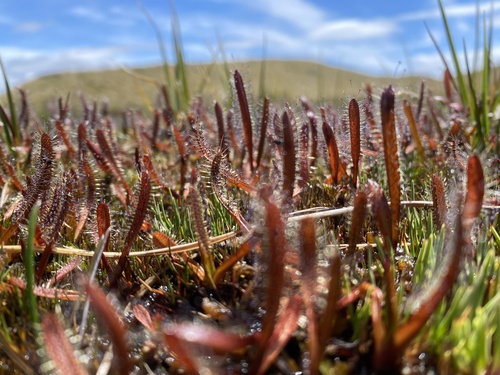
Drosera arcturi Hook.
Drosera arcturi Hook.
Drosera arcturi Hook. is a carnivorous sundew native to New Zealand and southeastern Australia with insect-trapping sticky red leaf hairs.
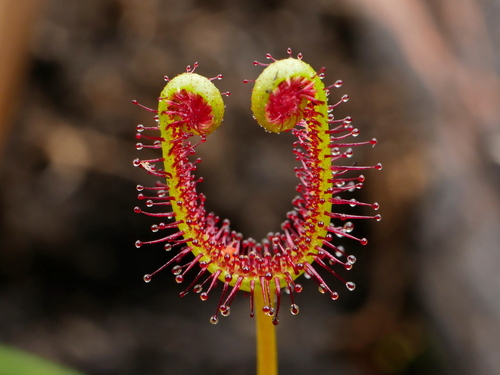
Fork-leaved Sundew
Drosera binata Labill.
Drosera binata, the forked sundew, is a large perennial carnivorous plant native to southeastern Australia and New Zealand.
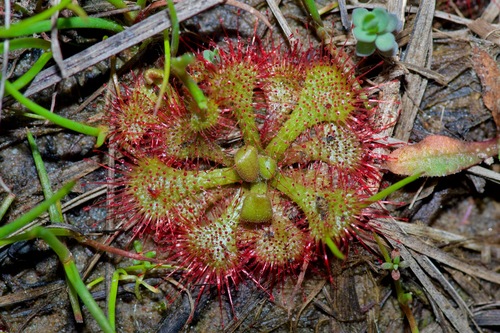
dwarf sundew
Drosera brevifolia Pursh
Drosera brevifolia is a small mostly biennial carnivorous plant native to the southeastern United States.
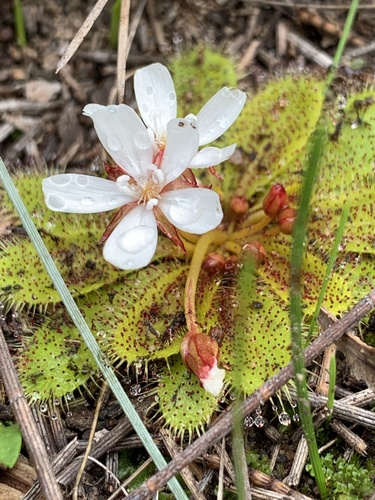
Red-leaved Sundew
Drosera bulbosa Hook.
Drosera bulbosa, the red-leaved sundew, is a perennial tuberous Drosera species endemic to Western Australia.

Cape Sundew
Drosera capensis L.
Drosera capensis is a carnivorous sundew native to South Africa, widely cultivated as an easy-to-grow species.
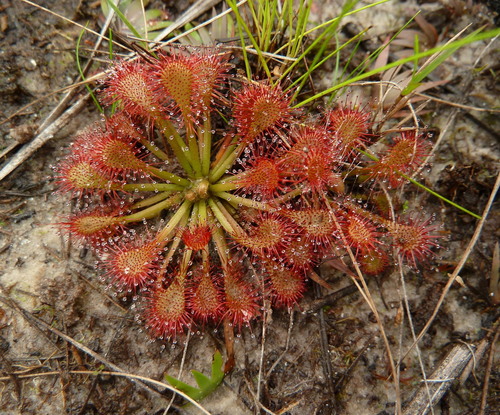
Pink Sundew
Drosera capillaris Poir.
Drosera capillaris is a carnivorous sundew native to North American subtropical and tropical nutrient-poor wet habitats.
Start Exploring Nature Today
Download iNature for free. 10 identifications on us. No account needed. No credit card required.
Scan with iPhone camera
Scan with Android camera


